The post Red Egg and Ginger Party: A Blend of Tradition and Celebration appeared first on Baby & Parenting Blog - Joy.
]]>In this post, we’ll explain the symbolism involved in a red egg and ginger party and share tips for planning the perfect event. We’ve even included step-by-step instructions for achieving perfect red eggs.
What Do Red Eggs and Ginger Symbolize?
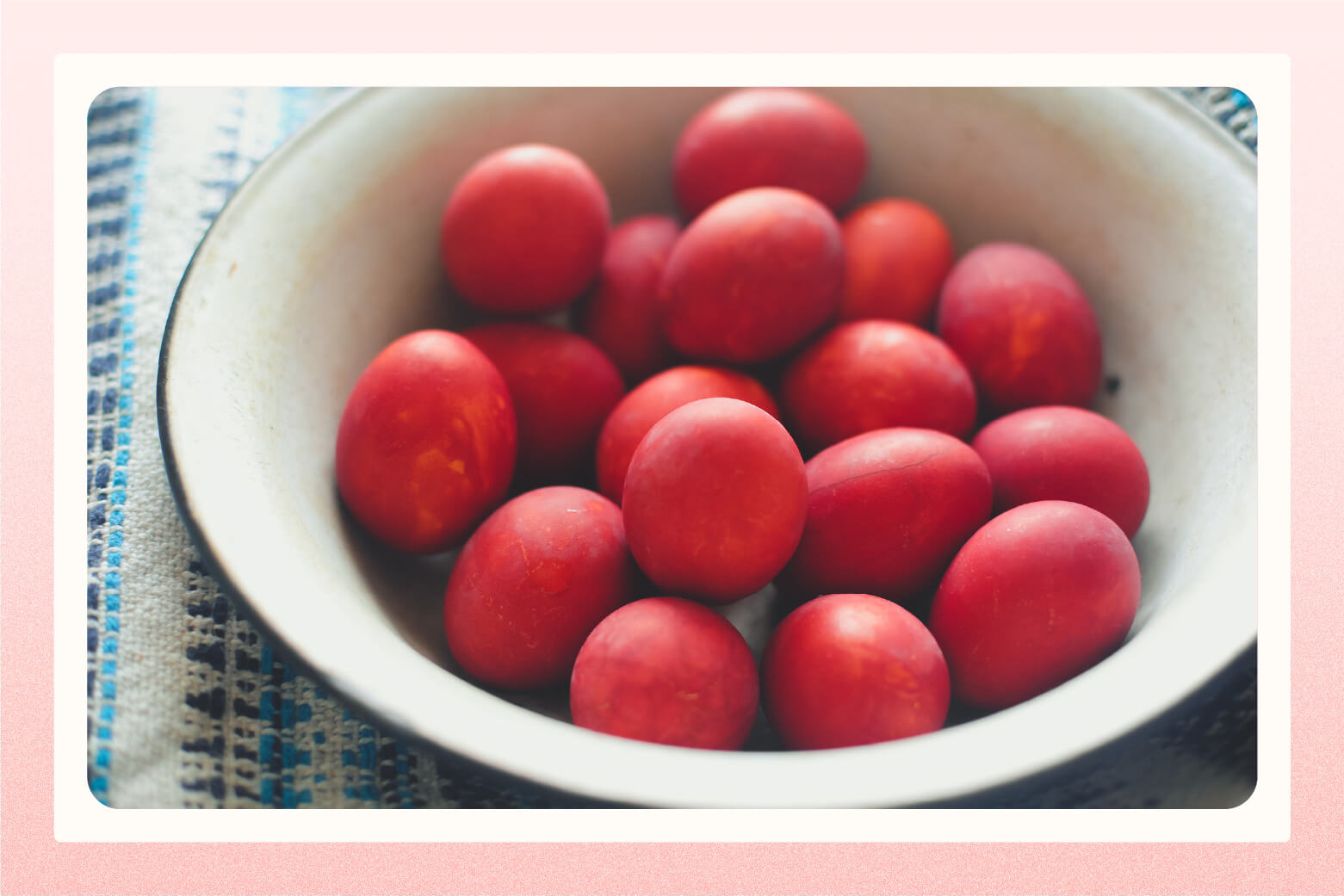
Red eggs are believed to represent happiness, healthy fertility, and prosperity in some Asian cultures. Once a child is born, hard-boiled eggs are dyed a deep red color and the baby’s parents give them to friends and family as a gesture of well wishes and good fortune. Traditionally, an even number of eggs are presented for baby boys and an odd number of eggs for girls.
Ginger is known for its energizing and healing properties for new mothers. It is also believed to ward off evil spirits. During a red egg party, ginger is incorporated into various dishes and served up pickled for guests to enjoy. It signifies the desire to protect the newborn from negative influences.
When Is the Right Time for a Red Egg Party?
Traditionally, a red egg party is held at the one-month mark because it represents the baby’s survival through the most vulnerable stage of infancy. Some families choose to focus on the milestone of the child’s 30th day, 100th day, or their first birthday. The specificity of the timing is a historical holdover from when infant mortality rates were much higher.
The exact date may depend more on factors like family preferences and cultural beliefs. Because the choice of date can carry cultural and superstitious significance, it may be worth consulting with elders or following specific cultural practices when determining when to hold a red egg and ginger party.
Where Should It Be?
The most common locations for red egg parties depend on the size of your guest list. Small, intimate gatherings of family and close friends are usually held in the home of the baby’s family. Larger events for a crowd may mean renting out a banquet hall or local restaurant for the festivities.
Red Egg Party Etiquette
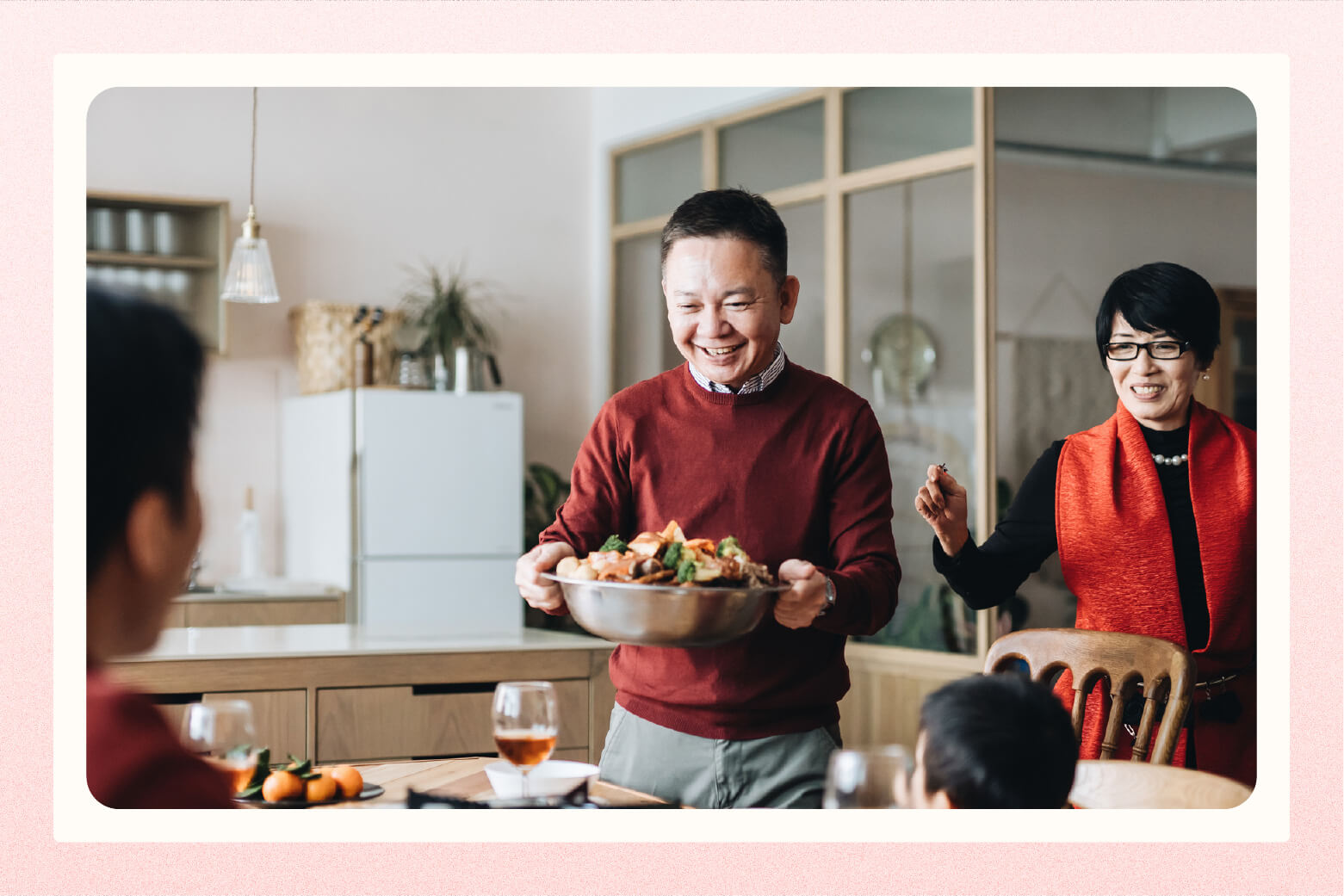
Have fun exploring the customs and traditions of a red egg party! Here are a few ideas to help you plan the big day.
What invites and decorations should look like
When designing your red egg and ginger invitations, try incorporating vibrant red and auspicious gold colors, which are traditional in many Asian cultures.
Red is considered lucky and symbolizes happiness, while gold brings good fortune and wealth. You might also include meaningful symbols like dragons, tigers, or monkeys, depending on the Chinese zodiac sign your child is born under.
You may want to tie the decorations to the colors and themes used in your invitations. Also, you may want to think about the significance of red eggs and ginger to make them central themes at your event.
What food to serve
Beyond the bowls of red eggs and pickled ginger, traditional Chinese dishes like dumplings, noodles, and spring rolls are popular menu choices, symbolizing good luck, longevity, and new beginnings. Ginger-infused dishes and drinks are also a great way to incorporate the party’s theme.
A whole roast pig is commonly found on wedding menus and at most joyful celebrations like a red egg party. It is believed to represent the family’s prosperity. If purchasing an entire pig doesn’t fit in your budget (or your kitchen!), you could choose to serve roast pork loin or pork cracklins as a nod to tradition.
What to wear
When finding the right outfit for the baby, parents, and guests, colors like red and gold are a good option. If you prefer traditional women’s clothing, a stylish qipao or cheongsam adorned with intricate embroidery can be a beautiful choice. Consider a well-tailored suit or traditional Chinese attire like a changshan if traditional men’s clothes are more your style.
Choosing the right attire for a red egg and ginger party is a thoughtful way to show respect for this meaningful tradition while celebrating with friends and family. It’s essential to embrace cultural appreciation rather than appropriation, so avoid costume elements that might unintentionally perpetuate stereotypes.
Red Egg Party Gift Ideas
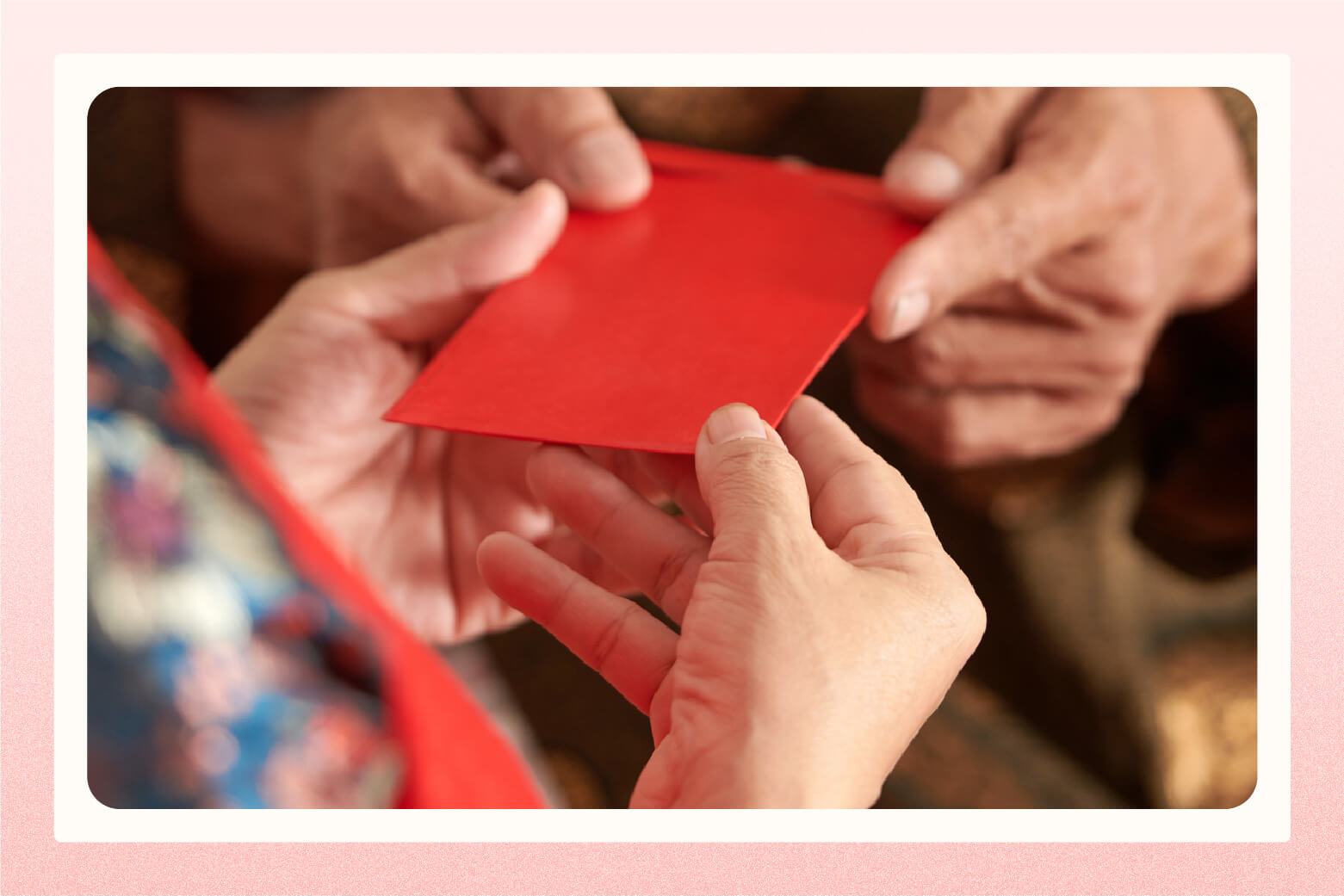
At a red egg and ginger party, gift-giving is actually part of a meaningful tradition. In contrast to a traditional baby shower gift idea, when selecting a gift for this special occasion, consider embracing the symbolism of red. You might present the family with a red envelope or hongbao containing a monetary gift, symbolizing good luck and prosperity for the baby. Other practical yet thoughtful presents for the occasion include:
- Baby clothing in vibrant red shades
- Baby care essentials
- Keepsake photo frame
- Personalized baby blanket
How to Dye Eggs Red
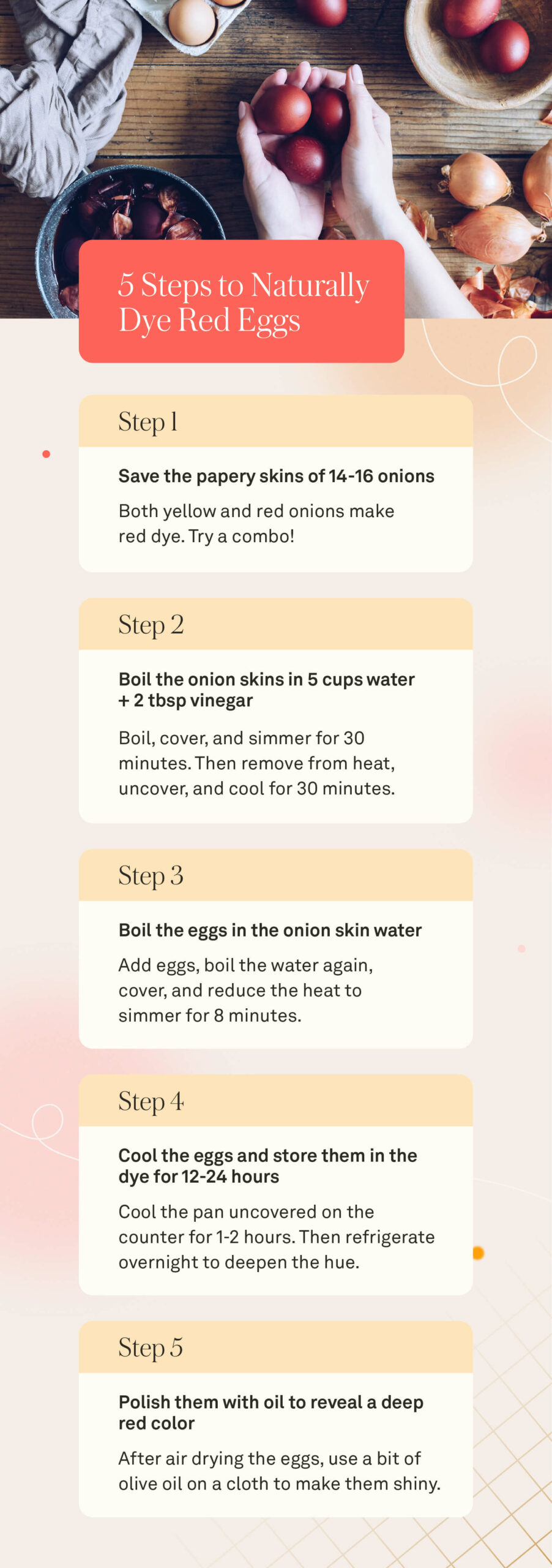
Taking the time to create vibrant red eggs is a fun — and slightly messy — part of the tradition. To achieve the perfect red eggs, you could use store-bought food dyes or natural products like onions, beetroots, and cabbage. Follow these easy steps to make your own!
Natural Onion Skin Method
- Collect the onion skins: For one dozen eggs, you will need the papery outer skin from 14-16 onions. Both yellow and red onion skins will produce a red dye.
- Boil the onion skins: Add your skins to 5 cups of water mixed with 2 tablespoons of vinegar. Bring it to a boil, cover, and reduce the heat to simmer for 30 minutes. Then remove from heat, uncover, and cool for 30 minutes.
- Boil the eggs: Gently immerse room-temperature eggs in a single layer in the dye. Add 1 cup of cold water if the eggs aren’t fully submerged. Bring the dyed water back to a boil, cover, and reduce the heat to simmer for eight minutes.
- Cool down overnight: Remove the pan from the heat and allow to cool, uncovered, for one to two hours. Place the pot in the refrigerator overnight to deepen the red hue.
- Polish them up: Use a slotted spoon to remove the eggs from the dye. Let them air dry on a plate or rack. Then lightly polish with a bit of olive oil on a cloth to reveal the deep red color.
Artificial Food Coloring Method
- Boil the eggs: Add your eggs to a pot of boiling water. Boil for 10 minutes.
- Cool the eggs: Immediately move the boiled eggs into a large bowl of ice water. Leave submerged for two to three minutes to halt the cooking.
- Transfer the eggs: Move your eggs to a bowl of hot water mixed with 1 teaspoon of vinegar.
- Add food coloring: Add drops of your chosen food dye to the water. The more drops you add, the deeper the color. Use a spoon to move the eggs and make sure they’re fully covered. (Reminder: Artificial food coloring can stain hands, clothes, and surfaces.)
- Air dry the eggs: Remove the eggs from the water and let them air dry on a rack for 30 minutes.
Whether you’re part of this time-honored tradition or are discovering it for the first time, red egg and ginger parties are a beautiful way to mark the beginning of a new chapter filled with love, blessings, and red eggs.
Frequently Asked Questions
How much money should I give for a red egg and ginger party?
It’s a tradition to offer an amount in even numbers, such as $20, $50, or $100, as they symbolize good luck. The total dollar amount you choose will depend on your relationship with the family and your budget.
Is the baby’s name announced at the party?
The announcement of the baby’s Chinese name is a cherished tradition at a red egg and ginger party. Announcing the baby’s name is a way of introducing the child to the world and seeking blessings from family and friends for their future.
How can I make the party inclusive for all guests?
Provide explanations for the customs and traditions involved. Share the symbolism behind the red eggs and ginger to help guests feel more connected to the celebration.
Do any other cultures celebrate with red eggs?
Red eggs hold significance in several cultures outside of Asia. They are an important part of Easter for many Greek, Russian, and Romanian people. They can also be found at Persian New Year celebrations, an ancient Egyptian spring festival known as Sham El-Nessim, and circumcision ceremonies for young boys in Turkey.
The post Red Egg and Ginger Party: A Blend of Tradition and Celebration appeared first on Baby & Parenting Blog - Joy.
]]>The post Diaper Bag Essentials: A Checklist for All Your Needs appeared first on Baby & Parenting Blog - Joy.
]]>Either way, the time has come for you and your baby to get out of the house for a bit. To do so, you’ll need to be prepared to bring all the necessities your baby may need while you’re on the go. Whether it’s a quick trip to the grocery store, a visit to thank someone for hosting your baby shower, or a day-long excursion, a diaper bag is the perfect way to organize and carry all of the accessories that come with parenthood.
We’re here to guide you through the must-haves that will make your life easier and minimize stress during outings with your little one. We’ll explore the core items that should find their place in your diaper bag, as well as a few optional bonus items. And we’ll share some simple tips for packing your diaper bag. We’ve even created a handy checklist that you can download to keep track of what you’ve packed and what you still need.
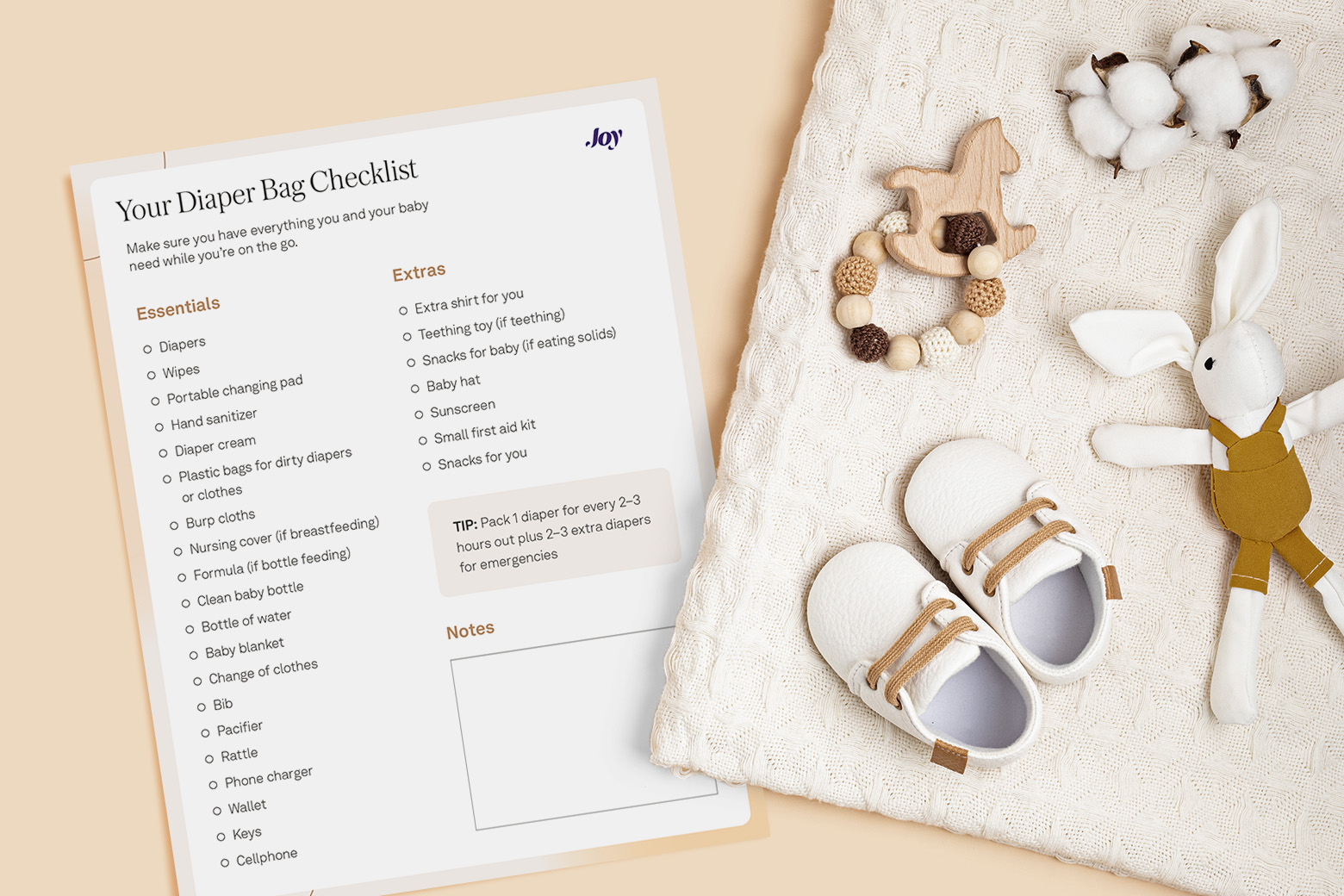
Download this FREE Diaper Bag Checklist PDF from Joy
Must-Haves to Pack in Your Diaper Bag
Planning ahead can make all the difference when leaving your home with your baby. Including these must-have items in your diaper bag will ensure you’re prepared for anything life throws your way.
Diapers
This one’s a bit of a no-brainer: be sure to carry diapers in your diaper bag. You definitely don’t want to be caught without one when your little one needs a change. Whether you use disposable or cloth diapers, they are a must-have in your diaper bag. If you’re wondering how many diapers you should pack in your diaper bag, diaper companies suggest at least one disposable diaper for every two to three hours you’ll be out, plus a couple of spares.
Wipes
Baby wipes are handy and useful for cleaning up messes, not just during diaper changes but also for sticky hands and messy faces. They are gentler on your baby’s skin than a damp napkin or paper towel, which will help keep your baby feeling clean and comfortable. Since you’ll go through a lot of baby wipes, look for ways to get free baby wipes and other products to save money.
Portable changing pad
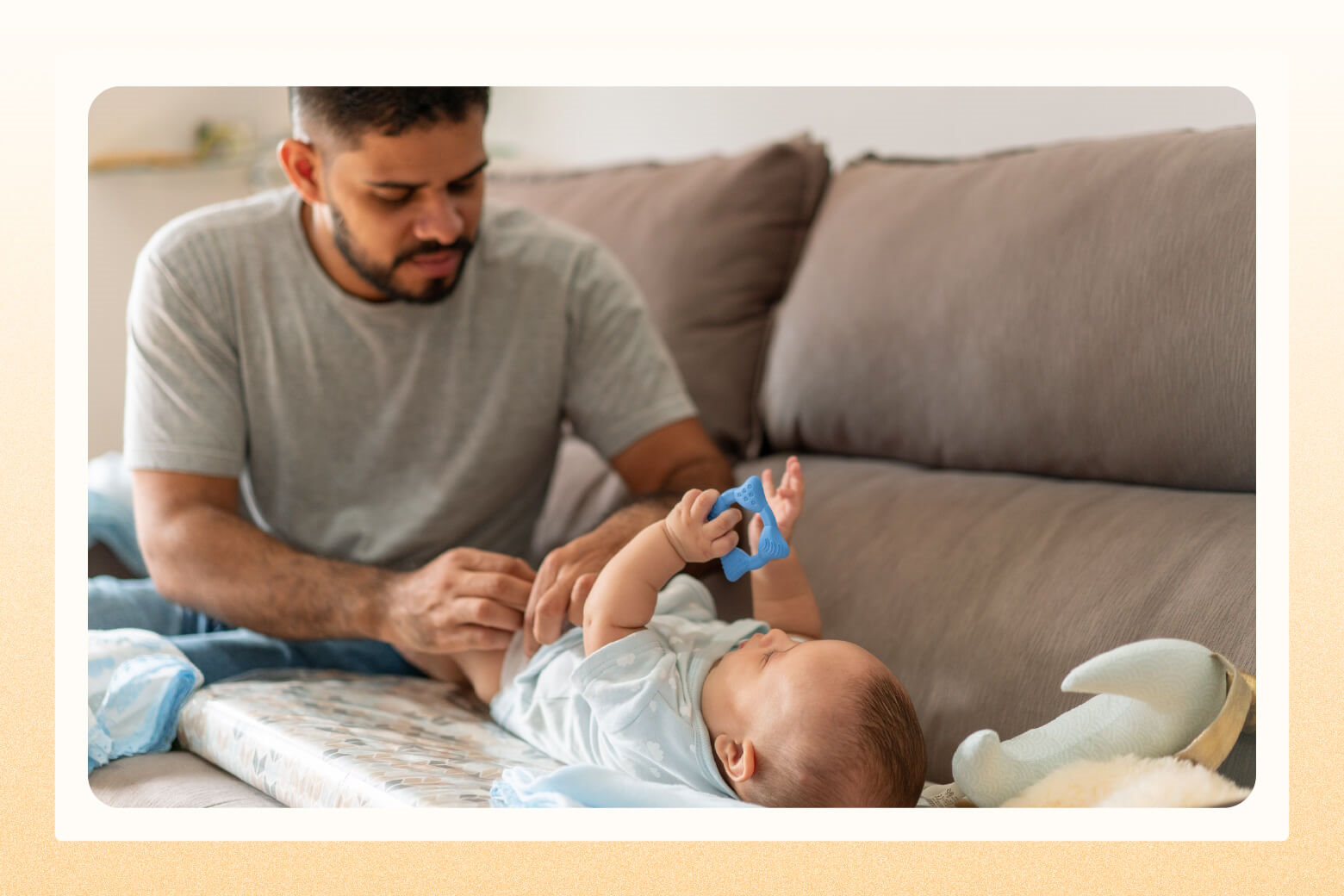
A changing pad creates a clean and soft surface for diaper changes when you’re out and about. It’s a practical item that is essential to keeping your baby off potentially dirty or uncomfortable surfaces.
Hand sanitizer
As we all learned during the pandemic, hand sanitizer is a must for maintaining good hygiene when you can’t access soap and water. After changing diapers or handling other sticky or germy baby-related tasks, it’s a quick and effective way to clean your hands.
Diaper cream
Since over 50% of babies between 4 and 15 months of age will develop a diaper rash at least once within a two-month period, having diaper cream on hand can be a lifesaver. It helps soothe irritated skin and also works to prevent diaper rash, keeping your baby comfortable and happy.
Plastic bags for dirty diapers / clothes
Disposing of dirty diapers when you’re out in public can be a challenge. Keeping a few plastic bags in your diaper bag will come in handy for containing the mess. Whether it’s a dirty diaper or stinky stained baby clothes, sealing them in a plastic bag helps prevent both odors or potential contamination inside your diaper bag.
Burp cloths
Burp cloths are a must-have when cleaning spit-up or other baby-related messes. Thankfully, they’re small, easy to carry, and will help keep you, your clothes, and your baby clean.
Nursing cover (if breastfeeding)
For breastfeeding moms, a nursing cover ensures privacy and comfort during feedings when you’re out and about. Some women prefer using a nursing cover rather than a blanket because it can be secured around their neck to prevent slipping.
Formula (if bottle feeding)
If you’re not breastfeeding exclusively or at all, having pre-measured formula in your bag is crucial. During longer outings, it’s especially convenient to make sure that your baby’s food is ready when they need it.
Clean baby bottle
Whether your baby is formula-fed or pumped breast milk-fed babies, a clean bottle with pre-measured formula or milk is necessary when you’re on the go. Since babies rarely eat on a timely schedule, you’ll want to be prepared with your preferred baby bottle for when the moment strikes.
Bottle of water
Having a bottle of water in your diaper bag makes it possible to quickly prepare a bottle of formula or rinse off a pacifier in a pinch. It’s also useful for quenching your own thirst and keeping you hydrated.
Baby blanket
A cozy baby blanket provides warmth and comfort for your baby during naps or unexpected temperature drops. You can also use it for a diaper change if you don’t have a portable changing pad on hand. And, if your baby loves being swaddled, a blanket can help calm a cranky little one.
Change of clothes
Unexpected accidents happen regularly with infants, so having an extra set of clothes in your bag for your baby is a must. This bit of planning ahead will help you quickly recover from unexpected spills or messes.
Bib
When feeding your baby on the go, a bib will help keep their clothing clean from drool, spit-up, and food spills. It will also make mealtimes away from home more manageable and mess-free.
Pacifier
Every infant needs soothing at some point. A pacifier can help calm them during fussy moments, making it a crucial item to have on hand in your diaper bag. Some parents opt to have more than one in their bag in case one is lost or becomes dirty.
Rattle
Being able to keep your baby engaged and entertained may be the determining factor in you completing your outing as planned. A rattle can easily capture their attention and keep them occupied by helping to prevent boredom and restlessness.
Phone charger
Keeping your phone charged while you’re out with your baby is a top priority for multiple reasons. Besides simple communication, it’s useful for accessing parenting apps, capturing memorable moments, and keeping track of timing your baby’s schedule. So having a phone charger on hand is a must.
Your wallet and keys
Making sure you’ve got your own essentials can be like a mini treasure hunt when it’s time to head out with your little one. You definitely don’t want to be stranded without your keys, wallet, or phone when you need them the most.
Bonus Helpful Diaper Bag Items
Bring your diaper bag game to another level with some additional useful items that can make your adventures with your baby even more convenient and stress-free. From extra clothing options to soothing toys and more, these additional essentials can be a lifesaver in unexpected situations.
Extra shirt for you
Carrying an extra shirt for yourself can be a lifesaver in case of unexpected spills or messes. It makes it possible for you to feel put together and comfortable without disruption when you’re out with the baby.
Teething toy (if teething)
A teething toy can provide quick relief for your baby when their teeth are coming in, causing them pain and discomfort. The soothing tool can help them stay calm and content during your travels or outings.
Snacks for baby (if eating solids)
Having easily accessible and age-appropriate snacks for babies who are eating solids allows you to handle their hunger needs on the go. Depending on what stage they’re at, a baggie of plain Cheerios, a banana, string cheese, or a hard boiled egg work well for small hands.
Baby hat
Depending on the season, carrying a baby hat can help protect your little one from the bright sun or chilly weather. It also provides added protection for their delicate skin and helps regulate their body temperature, helping them to stay comfortable and shielded from harsh weather conditions.
Sunscreen
Although not needed for every trip out of the house, having sunscreen for babies (over 6 months only) can be helpful if you’re outdoors for an extended period of time. It safeguards your baby’s sensitive skin from harmful UV rays, reducing the risk of a painful sunburn.
Small first aid kit
Having a small first aid kit in your diaper bag provides some peace of mind in case of minor accidents or injuries. It allows you to provide immediate care and quickly address any cuts, scratches, or bruises that occur while on the go.
Snacks for you
When you’re out and about with your baby, remember to take care of yourself, too. Having readily available snacks ensures that you can maintain your energy levels. Then you can properly care for your little one and enjoy your adventures away from home.
How to Pack the Perfect Diaper Bag
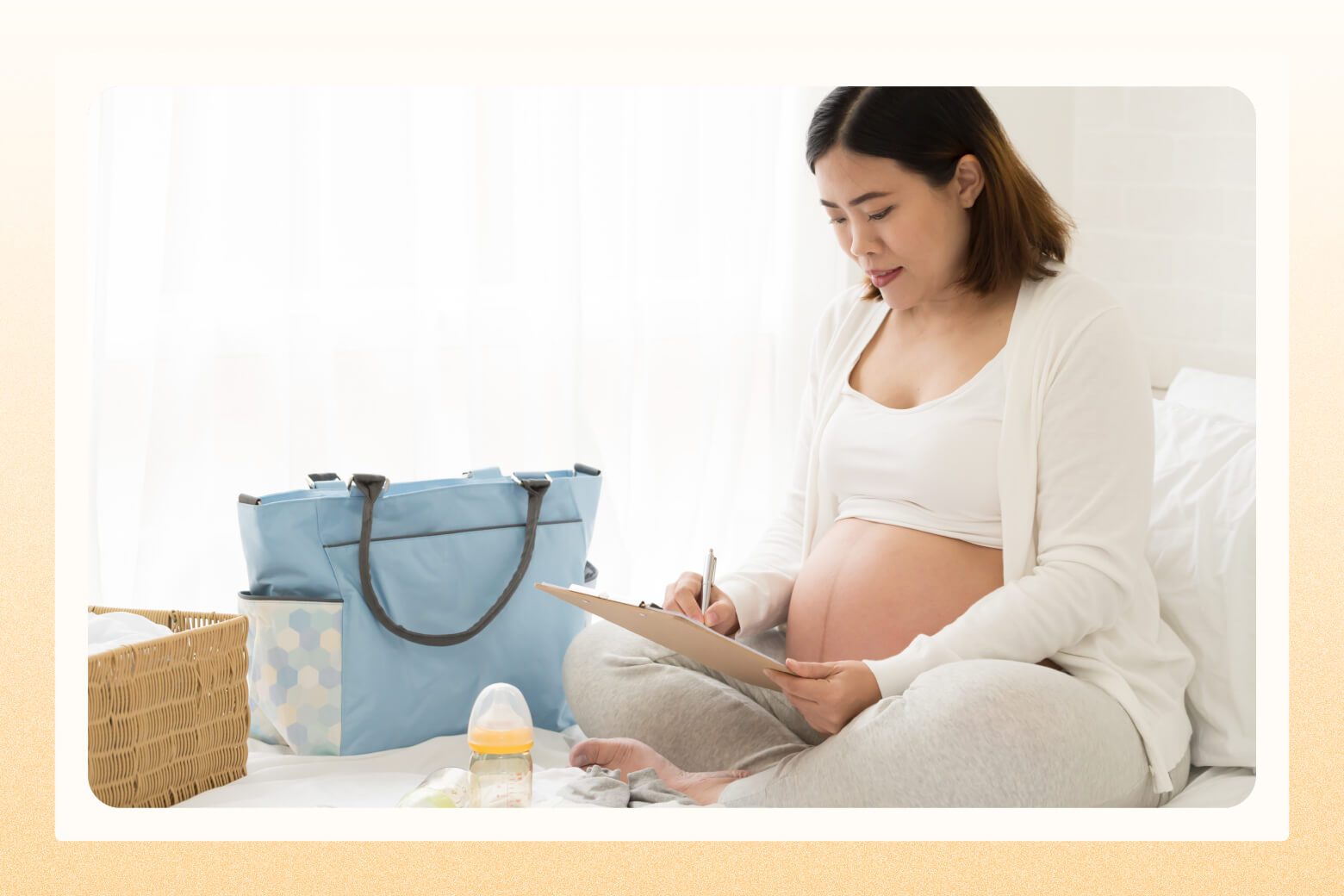
Learning how to pack your diaper bag to maximize space is almost like a rite of passage. These tips and tricks should help make sure that your diaper bag is well-organized, fully stocked, and ready for any parenting situation.
Organize by compartment
Divide your diaper bag into sections for diapers, wipes, changing pad, and spare clothing, making it easier to locate items quickly during emergencies. Use another area for feeding-related items such as bottles, formula, and a bottle of water. Some parents use clear and durable zippered bags to store related items so they can grab them in a hurry.
Prioritize easy access
Keep frequently used items like wipes, hand sanitizer, and snacks within reach by placing them in exterior pockets or top compartments. This allows for easy and convenient access when your hands are full. Try arranging your items side by side instead of stacking on top so that you can more easily see what’s in your bag.
Save space
Use space-saving techniques like rolling clothes and blankets to maximize the available room in your diaper bag. By doing so, you can fit more diaper bag essentials without creating frustrating clutter.
Repack when you get home
Restocking your diaper bag immediately after returning home will help you stay prepared for your next adventure out in the world. By replenishing any used items and refilling supplies right away, you won’t have to worry about running out of anything when you need it most.
By planning ahead and packing diaper bag essentials like diapers, wipes, a changing pad, and other key items, you can feel prepared for any situation while on the go. Have fun with it and personalize your bag based on your baby’s unique needs and your plans for the day. A well-stocked diaper bag will help you focus more on enjoying your adventures with your little bundle of joy.
Diaper Bag FAQ
What makes a diaper bag different from any other bag?
A diaper bag is different from other types of bags because it is specifically designed with multiple compartments, pockets, and features crafted for carrying essential baby items like diapers, wipes, bottles, and changing pads. Most diaper bags are also designed to be durable and easy to clean.
What should I look for when selecting a diaper bag?
Look for a bag with ample storage compartments and easy-to-access pockets for organizing your diaper bag essentials. Make sure it has a durable and easy-to-clean material that can withstand daily use. Additionally, prioritize your own comfort and convenience by choosing a bag with adjustable straps and comfortable padding.
Consider your personal style preferences, too, since diaper bags come in a wide variety of designs, colors, and patterns to match your aesthetic. The bag should be large enough to carry what you need without being too bulky or cumbersome to carry. You can even let your family and friends celebrate your choice by including it on your baby registry checklist.
Do I need a diaper bag every time I go out with my baby?
No, a diaper bag is not a necessity for every trip out of the house. It’s a necessity for longer outings or when you anticipate your baby will need frequent diaper changes or feedings. For shorter trips, you might opt for a smaller diaper bag or simply pack a few essentials in your regular bag.
What are some diaper bag alternatives?
A sturdy backpack can offer ample space for all your baby essentials and distributes weight evenly, making it a practical option. Some parents opt for large tote bags with several compartments or use stroller organizers for easy access to essentials. Another option to consider is a diaper bag insert that can fit inside a regular bag, providing the functionality of a diaper bag.
The post Diaper Bag Essentials: A Checklist for All Your Needs appeared first on Baby & Parenting Blog - Joy.
]]>The post 15 Best Baby Bottles of 2025, With Tips from Experts appeared first on Baby & Parenting Blog - Joy.
]]>“I remember when I first became a parent, the endless choices of baby bottles on the market were overwhelming. The experience taught me to look for certain qualities in a baby bottle – it should be easy to clean, the right size for my baby’s little hands, made of safe material, and designed to prevent air ingestion.”
Iesha Mulla
Mother of two and founder of Parental Questions
Discovering the right bottle isn’t just about convenience; it’s about ensuring a smooth feeding experience for your baby. A team of parents and parenting experts worked with Joy to identify the top choices for a happy, healthy feeding journey. Read on to see the winners and honorable mentions, and get useful tips from the folks who understand the highs and lows of baby’s meal times.
- Best Bottle for Newborns – Dr. Brown’s Options+ Baby Bottles
- Honorable Mention for Newborns – Boon Nursh Reusable Silicone Baby Bottles
- Honorable Mention for Newborns – Nanobébé Flexy Silicone Baby Bottle
- Best Bottle for Breastfed Babies – Comotomo Baby Bottle Bundle
- Honorable Mention for Breastfed Babies – Lansinoh Breastfeeding Baby Bottle
- Honorable Mention for Breastfed Babies – Emulait Breastfeeding Bottle Starter Kit
- Best Glass Baby Bottle – NUK Simply Natural Glass Bottles
- Honorable Mention for Glass Bottles – Philips Avent Glass Baby Bottle
- Honorable Mention for Glass Bottles – Lifefactory Baby Glass Bottle Starter Kit
- Best Baby Bottle Gift Set – Philips Avent Baby Bottle Gift Set
- Honorable Mention for Bottle Gift Sets – Nanobébé Baby Bottle Starter Kit
- Honorable Mention for Bottle Gift Sets – Tommee Tippee Baby Bottle Gift Set
- Best Anti-Colic & Gas Bottle – Dr. Brown’s Natural Flow Anti-Colic Baby Bottles
- Honorable Mention for Colic & Gas Prevention – Philips Avent Anti-Colic Baby Bottles
- Honorable Mention for Colic & Gas Prevention – MAM Grow With Baby Anti-Colic Baby Bottles
- How to Pick the Best Bottle for Your Baby
- Put Your Trust in Joy Baby Experts
- Baby Bottle FAQ
Best Bottle for Newborns – Dr. Brown’s Options+ Baby Bottles
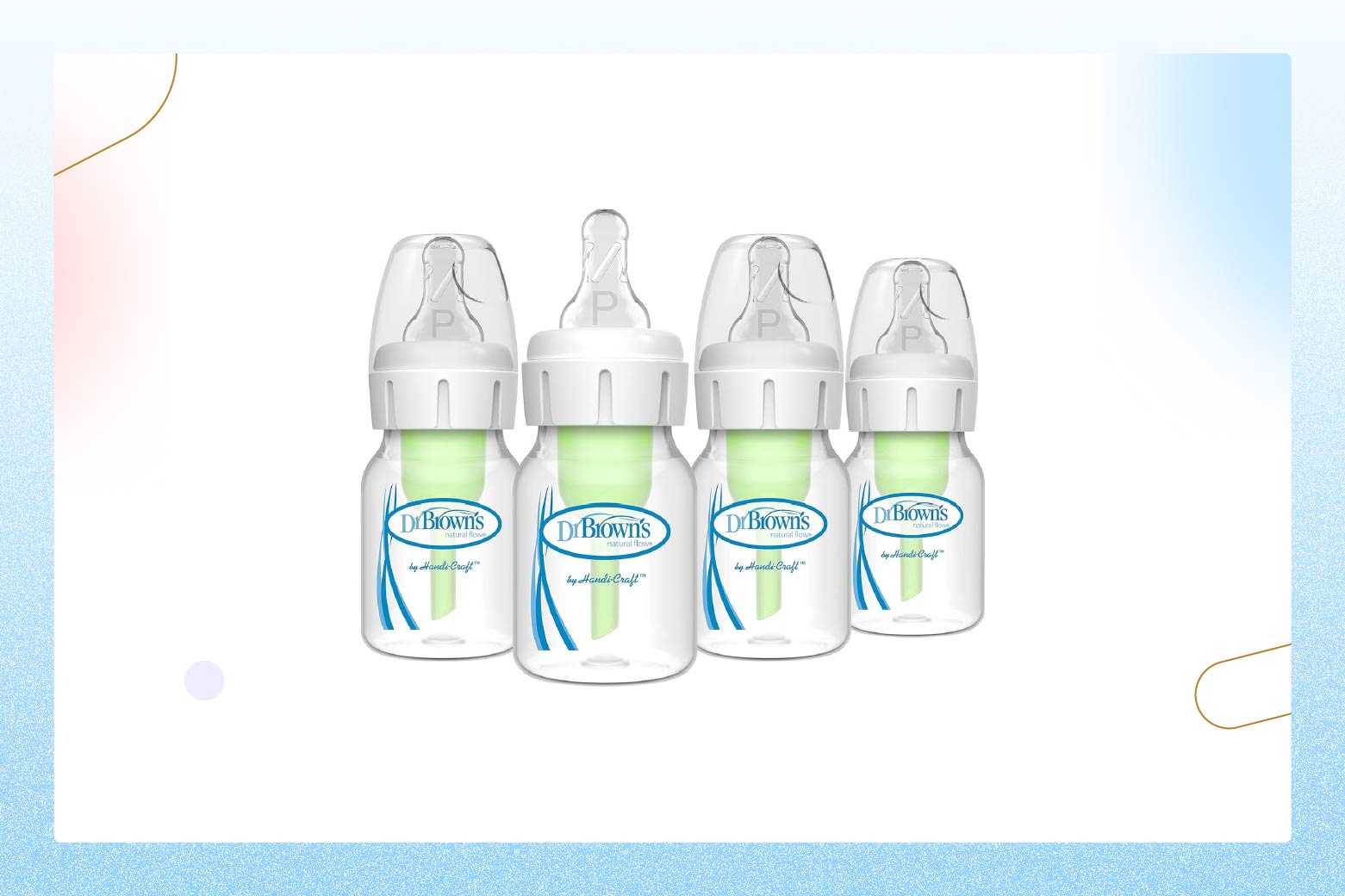
| Material | Plastic BPA-free |
| Sizes | 2 oz. (Preemie) 4 oz. 8 oz. |
| Cleaning options | Dishwasher safe Sterilizer safe |
Newborns have unique feeding needs, so choosing the best bottle is important for their comfort and development. With a 4.8 out of 5 rating from over 40,000 reviews on Amazon, Dr. Brown’s Options+ Baby Bottles are also a clear favorite amongst our judges.
The judges really liked the breast-like nipple shape that makes it easier for newborns to get a proper latch. This helps decrease the amount of air the baby sucks in, which could cause gas and discomfort. They also appreciated that different nipple sizes are available and the bottles don’t leak as much as other bottles.
The bottles come in several sizes and colors and consist of recyclable BPA-free plastic. Their Anti-Colic internal vent system has been clinically proven to help reduce colic.
Honorable Mention for Newborns – Boon Nursh Reusable Silicone Baby Bottles
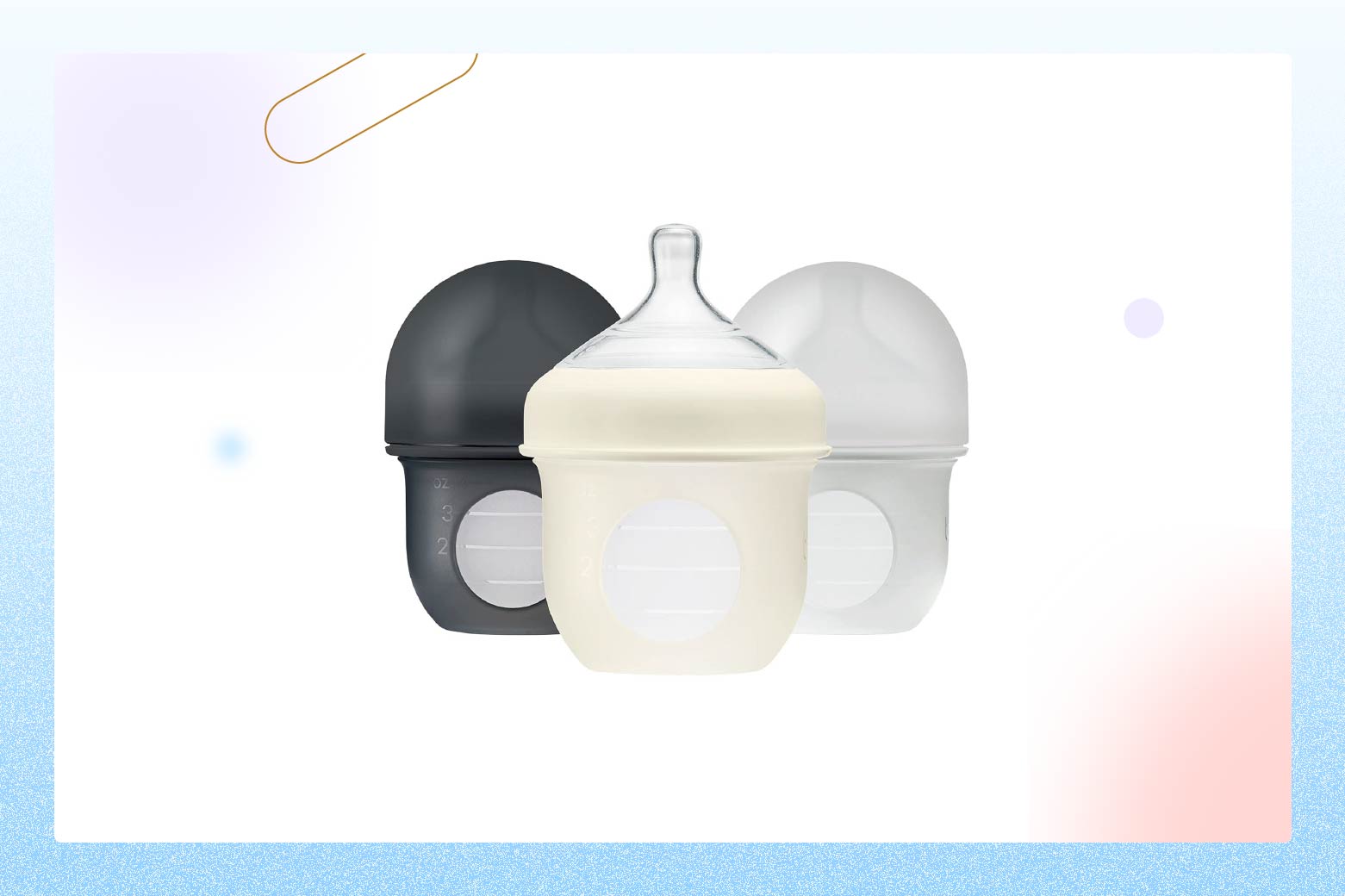
| Material | Silicone BPA- and PVC-free |
| Sizes | 4 oz. 8 oz. |
| Cleaning options | Dishwasher safe |
Our judging panel was excited by the Boon NURSH silicone bottles because they feature reusable pouches that collapse inward as your baby drinks. This limits the ingestion of air, decreasing the likelihood of painful gas, reflux, colic, and burps.
Experts appreciated the variety of accessories available, such as storage lids and storage “buns” that can hold an extra pouch and a nipple. And they were also impressed that these bottles can transform into sippy cups, extending their sustainability benefits.
Honorable Mention for Newborns – Nanobébé Flexy Silicone Baby Bottle
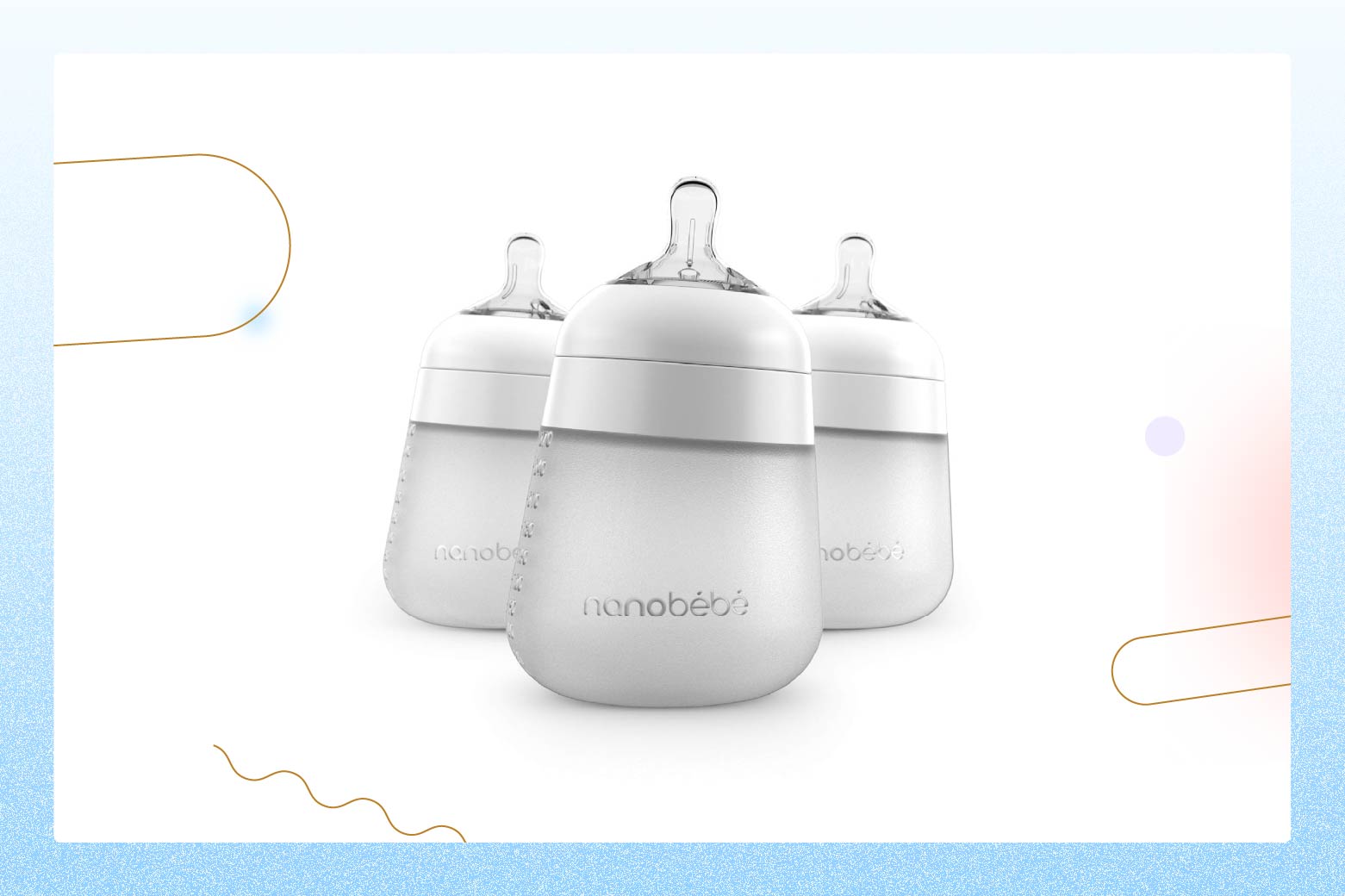
| Material | Silicone BPA-, PVC-, and Phthalate-free |
| Sizes | 5 oz. 9 oz. |
| Cleaning options | Dishwasher safe |
The Nanobébé Flexy Silicone Baby Bottle is made of soft silicone and has a nontipping base, which helps prevent spills. Our experts felt these features made the Nanobébé bottles stand out amongst the crowd. An added perk is the bottle’s shape, which differs slightly from a traditional baby bottle and makes it easier for small hands to grip as babies develop their fine motor skills.
Best Bottle for Breastfed Babies – Comotomo Baby Bottle Bundle
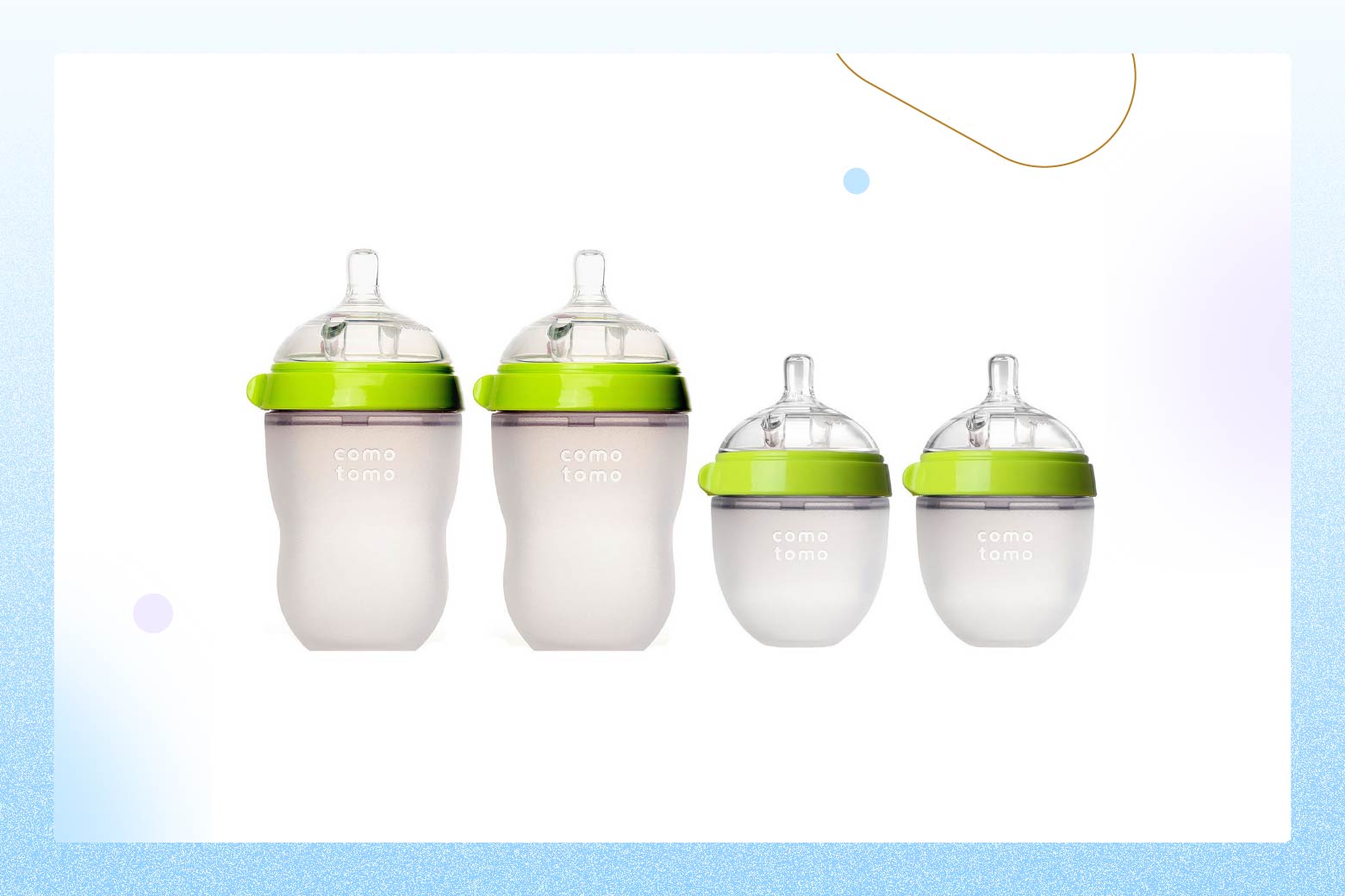
| Material | Silicone BPA-, PVC-, and Phthalate-free |
| Sizes | 5 oz. 8 oz. |
| Cleaning options | Dishwasher safe |
Kristin Addis, CEO of Parenthood Adventures and mother to a bottle-fed 16-month-old, has been a fan of the Comotomo baby bottles from day one. She especially appreciates the silicone material, noting, “ The material doesn’t have the same issues with chemical leakage into liquids in the bottles, and that was the most essential factor for me. It also has valves that allow for airflow to help with colic, and the bottles are machine washable.”
Our judges highlighted additional positives, including:
- Dual anti-colic vents
- A soft and squishy exterior
- A nipple that mimics breastfeeding
According to Andrea Hedley, the founder and Executive Director of the Newborn Care Specialist Association, “If you are combining breastfeeding and bottle feeding, then you will want to make sure that the nipple shape on the bottle is most like the nipple shape on the breast to avoid baby getting a lazy latch on the breast.”
Honorable Mention for Breastfed Babies – Lansinoh Breastfeeding Baby Bottle
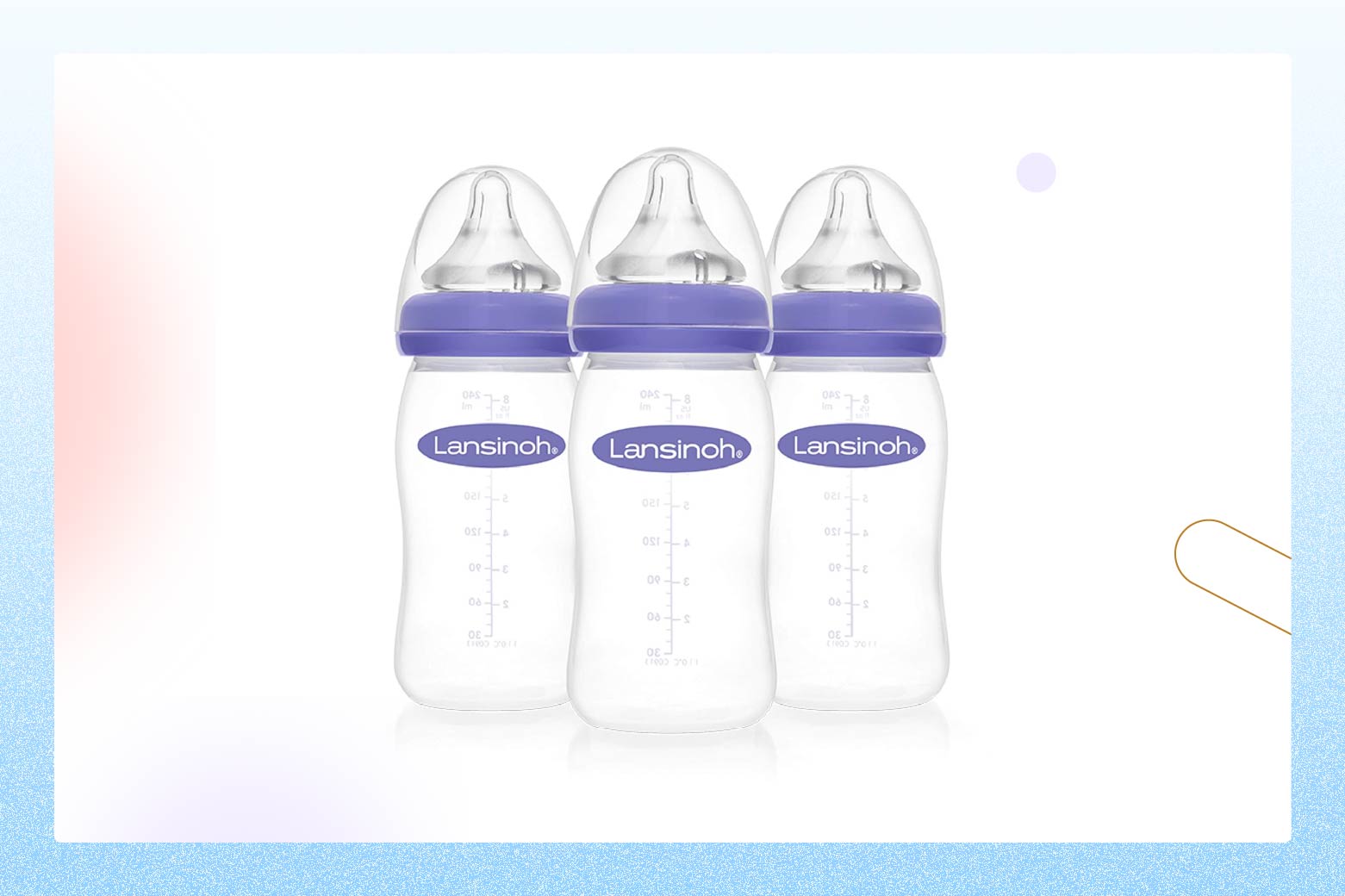
| Material | Silicone BPA- and BPS-free |
| Sizes | 5 oz. 8 oz. |
| Cleaning options | Dishwasher safe |
The Lansinoh Breastfeeding Bottle is specifically designed to support breastfeeding and provide a smooth transition between breast and bottle. Its NaturalWave nipple promotes the same sucking actions babies use while breastfeeding. Joy judges praised these bottles for being easy to clean and leaking less than other brands.
Honorable Mention for Breastfed Babies – Emulait Breastfeeding Bottle Starter Kit
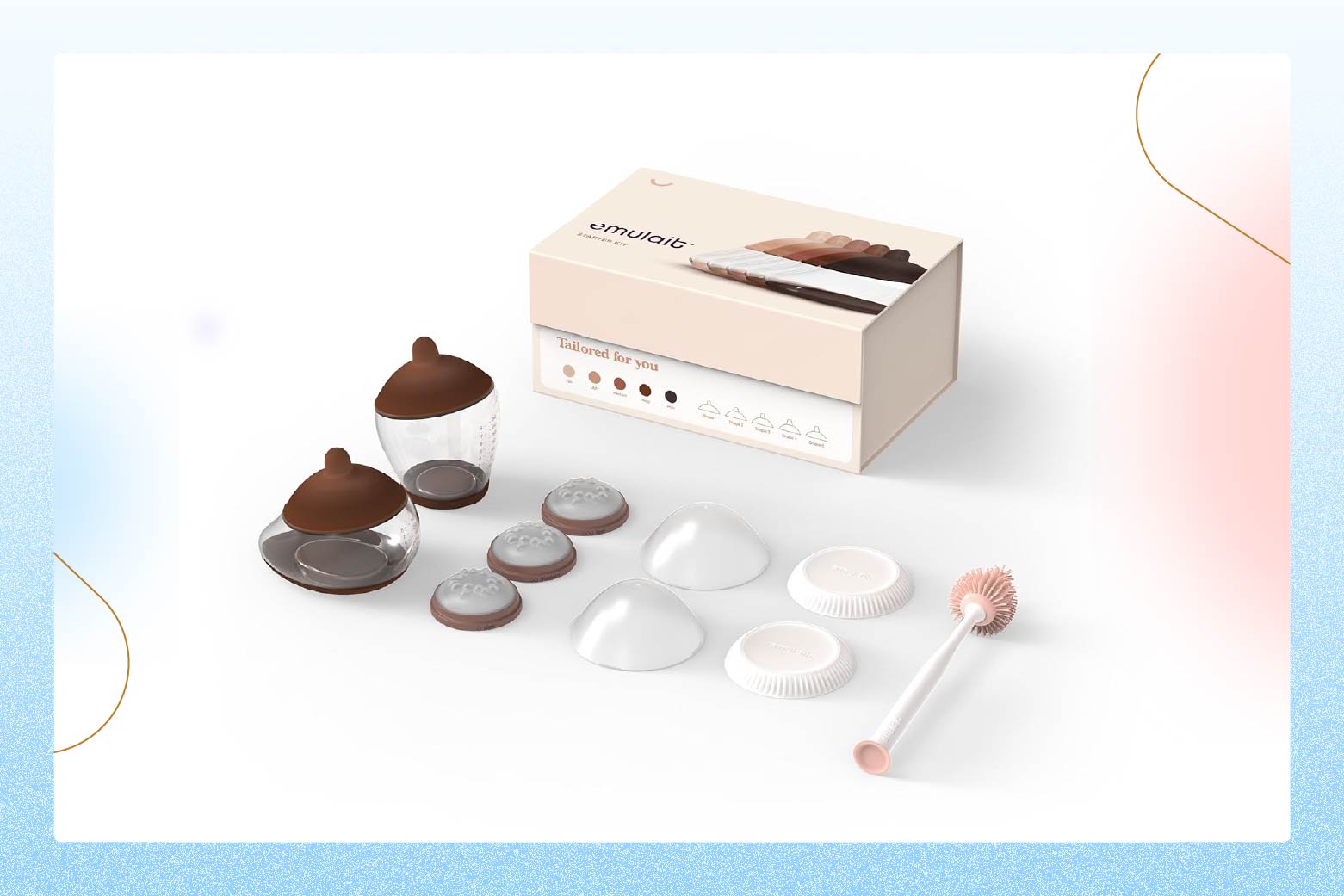
| Material | Plastic BPA- and Phthalate-free |
| Sizes | 8 oz. |
| Cleaning options | Dishwasher safe |
Emulait Baby Bottles offers a complete feeding solution with soft silicone nipples that replicate the softness, texture, and elasticity of a real nipple. This encourages natural suckling actions and oral development. The anti-colic vent system helps to reduce gas and discomfort for babies.
According to our judges, the compact design and included cleaning brush are ideal features for on-the-go parents. Another unique feature that resonated with the judges is Emulait’s inclusive use of different skin tones and nipple shapes, allowing parents to closely match their own.
Best Glass Baby Bottle – NUK Simply Natural Glass Bottles
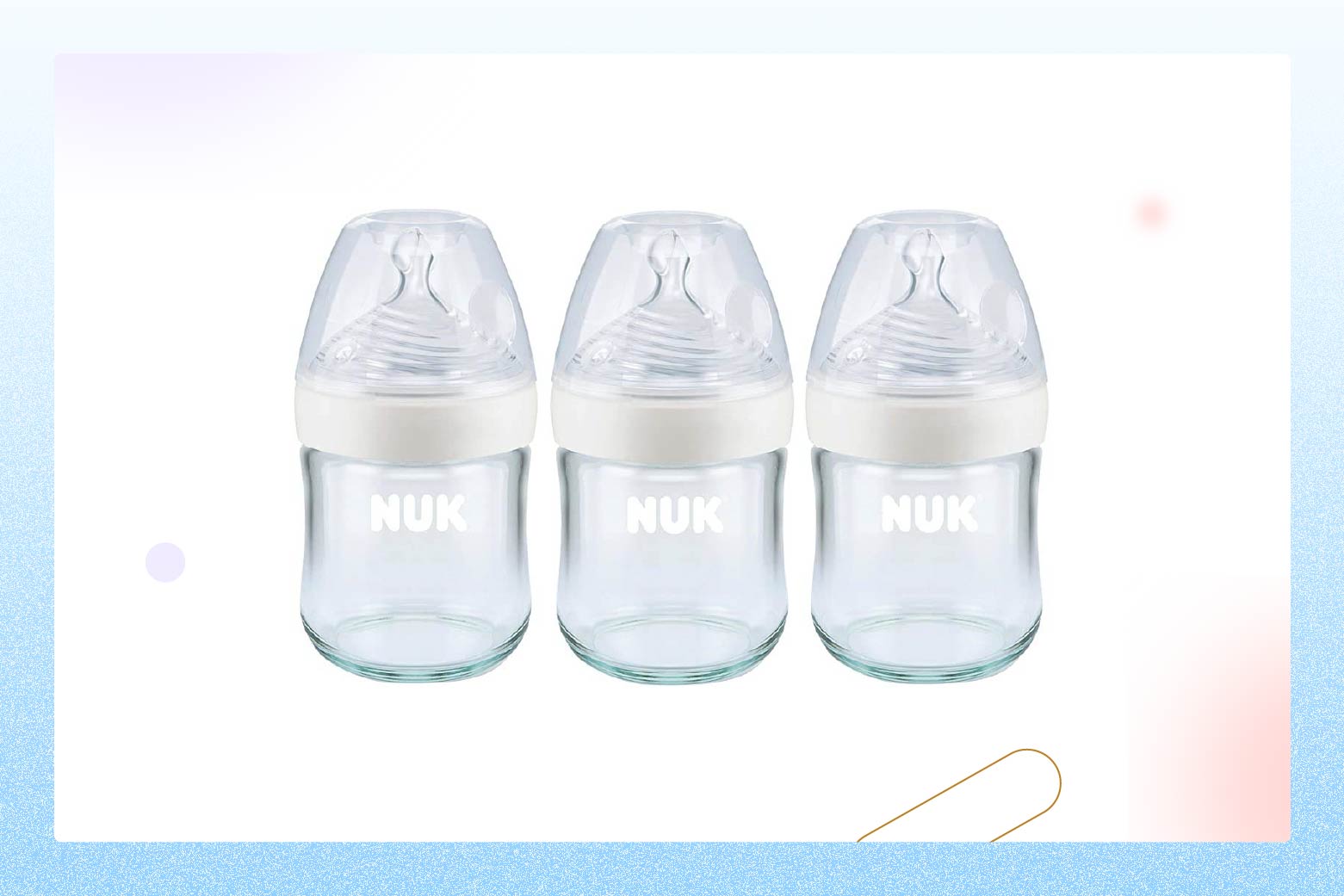
| Material | Glass |
| Sizes | 4 oz. 8 oz. |
| Cleaning options | Dishwasher safe |
Our judges loved the NUK Simply Natural Glass Bottles, which are designed to provide a close-to-parent feel with multiple nipple holes for a more natural feed. They also appreciated that the scooped nipple cavity allows space for the baby’s tongue and jaw to move naturally, just like they do when breastfeeding.
And the glass construction makes these bottles easy to clean, durable, and free from potential chemical contaminants. Registered nurse, Health Coach, and parent of two children under three, Kaelyn Hansen recounts her bottle buying frenzy, “My top priority was finding a nontoxic glass bottle to limit exposure to chemicals and microplastics. Bottles frequently undergo a change in temperature when heated, and studies have shown that chemicals can leach from plastic during the heating process. While glass bottles may initially be more expensive, they often last a lot longer than their plastic alternatives.”
Honorable Mention for Glass Bottles – Philips Avent Glass Baby Bottle
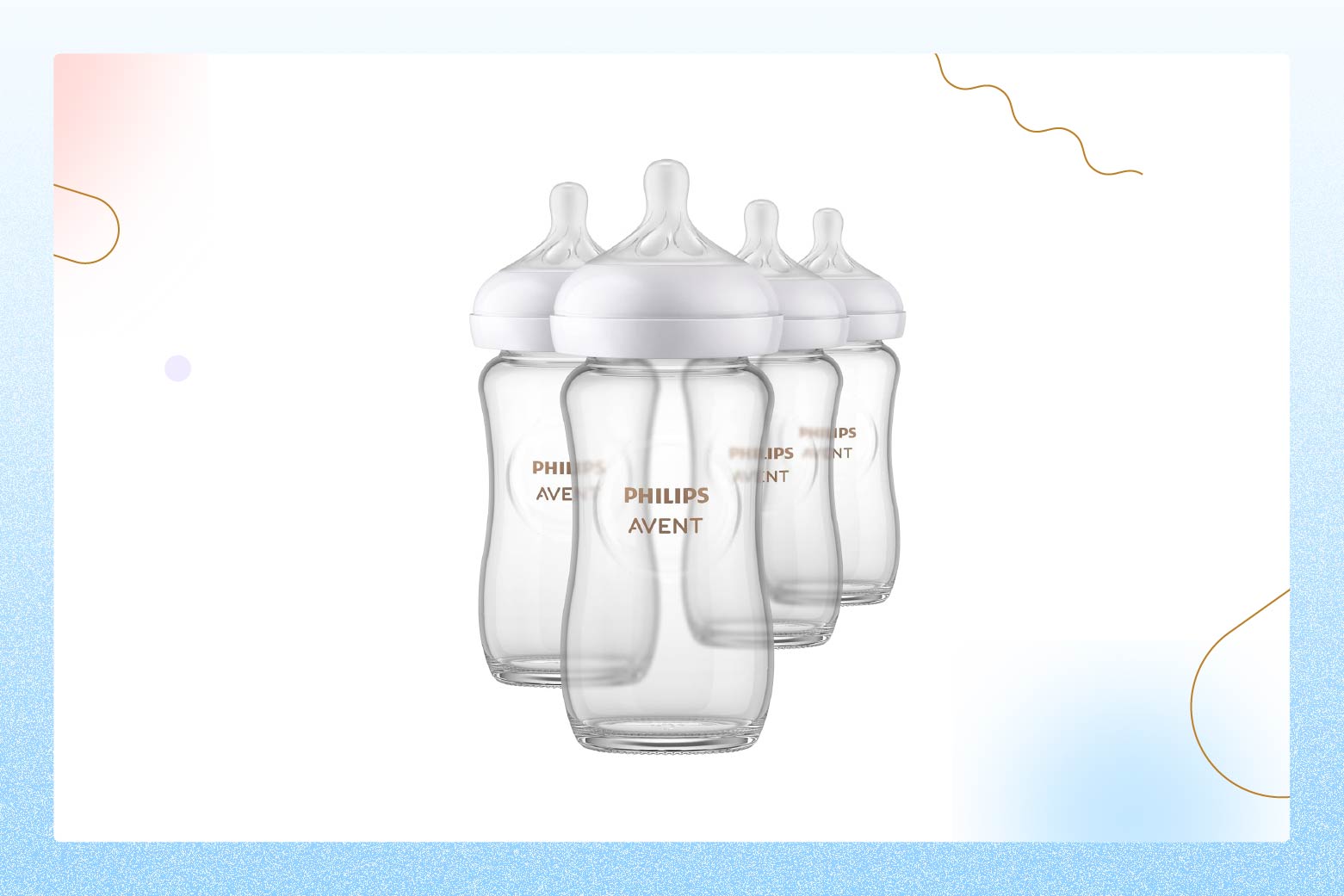
| Material | Glass |
| Sizes | 4 oz. 8 oz. |
| Cleaning options | Dishwasher safe |
An innovative twin valve design in the Philips Avent glass baby bottle reduces colic and discomfort by venting air into the bottle and not into the baby’s tummy. The judges were impressed by these nipples that only release milk when actively drinking.
The wide-neck design makes it easy to clean, and the nipple mimics the breast for a natural latch. Some users have reported occasional leaking issues, but many praise its durability and ease of use.
Honorable Mention for Glass Bottles – Lifefactory Baby Glass Bottle Starter Kit
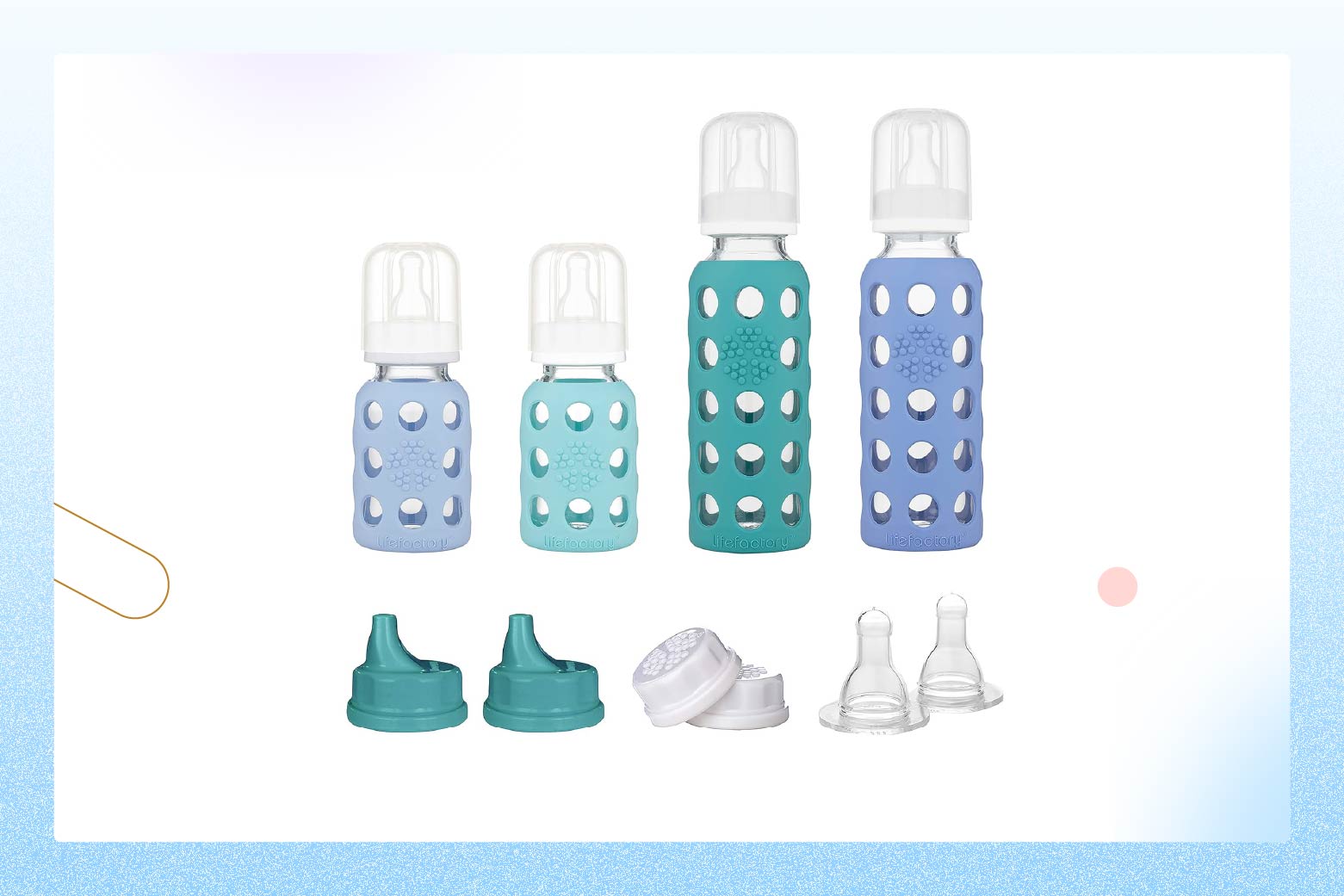
| Material | Glass |
| Sizes | 4 oz. 9 oz. |
| Cleaning options | Dishwasher safe |
The Lifefactory Glass Baby Bottle is made of thermal shock-resistant borosilicate glass, guaranteeing safe transitions between hot and cold temperatures. A silicone sleeve around the glass bottle provides a good grip for the baby’s tiny hands and some protection against breakage if dropped.
Best Baby Bottle Gift Set – Philips Avent Baby Bottle Gift Set
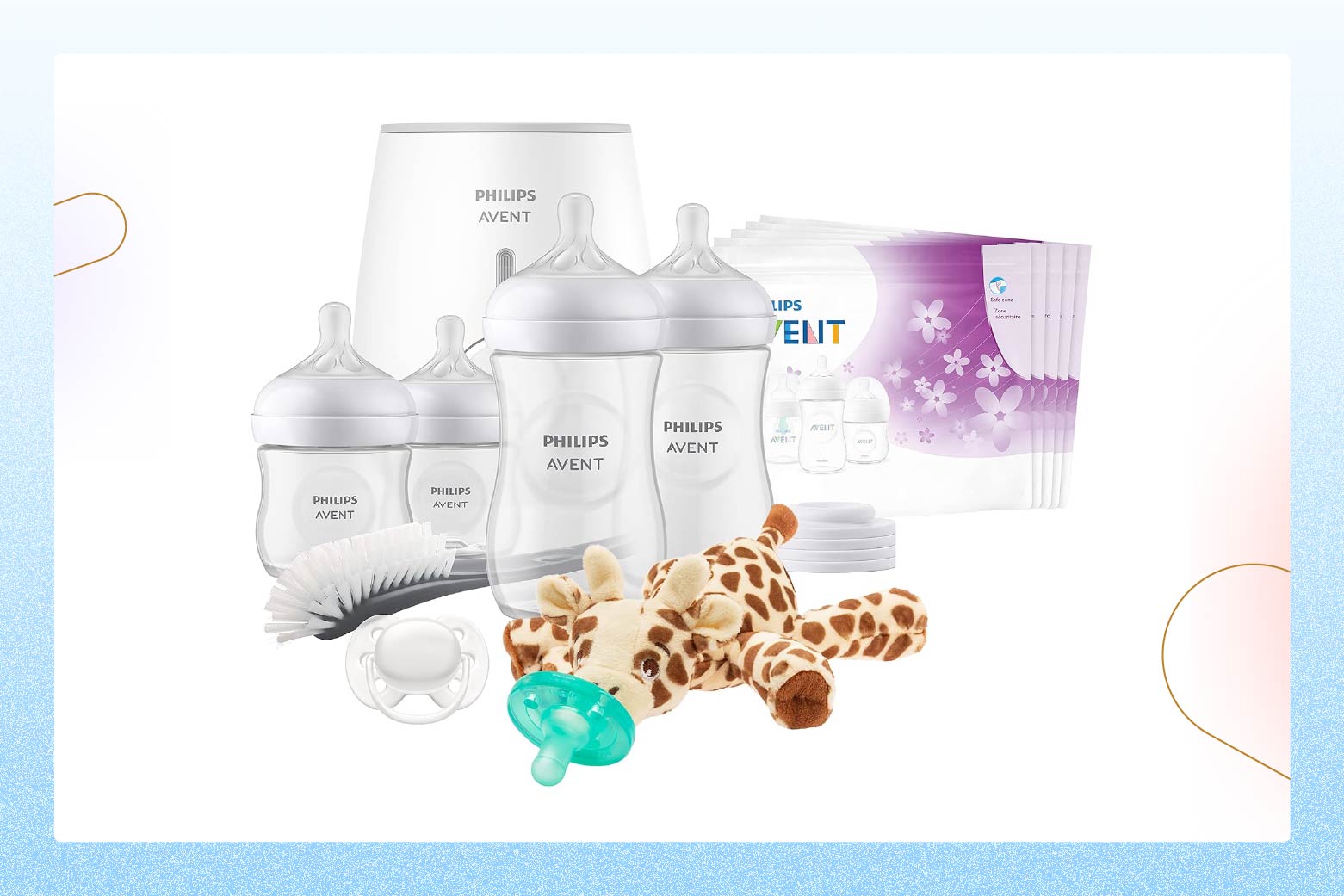
| Material | Plastic BPA-free |
| Sizes | 4 oz. 9 oz. |
| Cleaning options | Dishwasher safe |
The Philips Avent Natural Baby Bottle Gift Set with Anti-Colic AirFree Vent provides a comprehensive solution for feeding infants. Joy judges like that this set comes with multiple bottles with anti-colic features, access to different nipple sizes, and is shaped like a wide breast. The 18-piece set includes a bottle warmer and a toy pacifier holder.
“Sometimes, the slickest looking bottles end up being the trickiest to securely close. I remember my husband offering to help make the bottle while I dealt with a wailing baby, only to have it leak all over our newborn and our furniture. Now mommy has to clean baby, clean the couch, and make a new bottle.”
Amy Johnson
Mother of two and parenting blogger at AmyBabys.com
Honorable Mention for Bottle Gift Sets – Nanobébé Baby Bottle Starter Kit
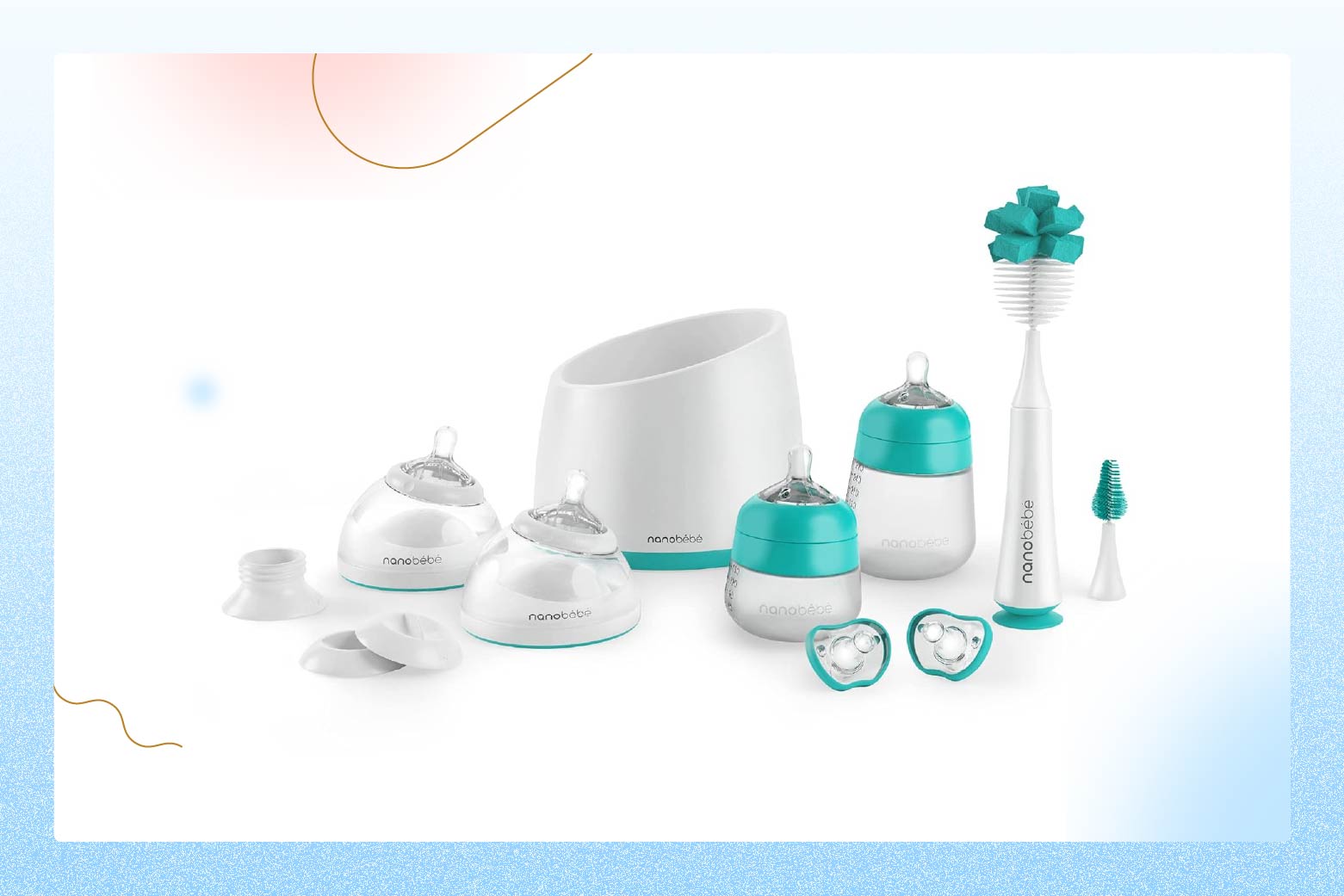
| Material | Plastic and silicone BPA- and Phthalate-free |
| Sizes | 5 oz. 9 oz. |
| Cleaning options | Dishwasher safe |
The Nanobébé Baby Bottle Starter Kit is crafted to meet the needs of both breastfeeding and formula-feeding families, with unique bottles and nipples that mimic mom’s breast. The set includes various feeding and storage accessories. Judges appreciate the innovative design visible throughout this 12-piece kit.
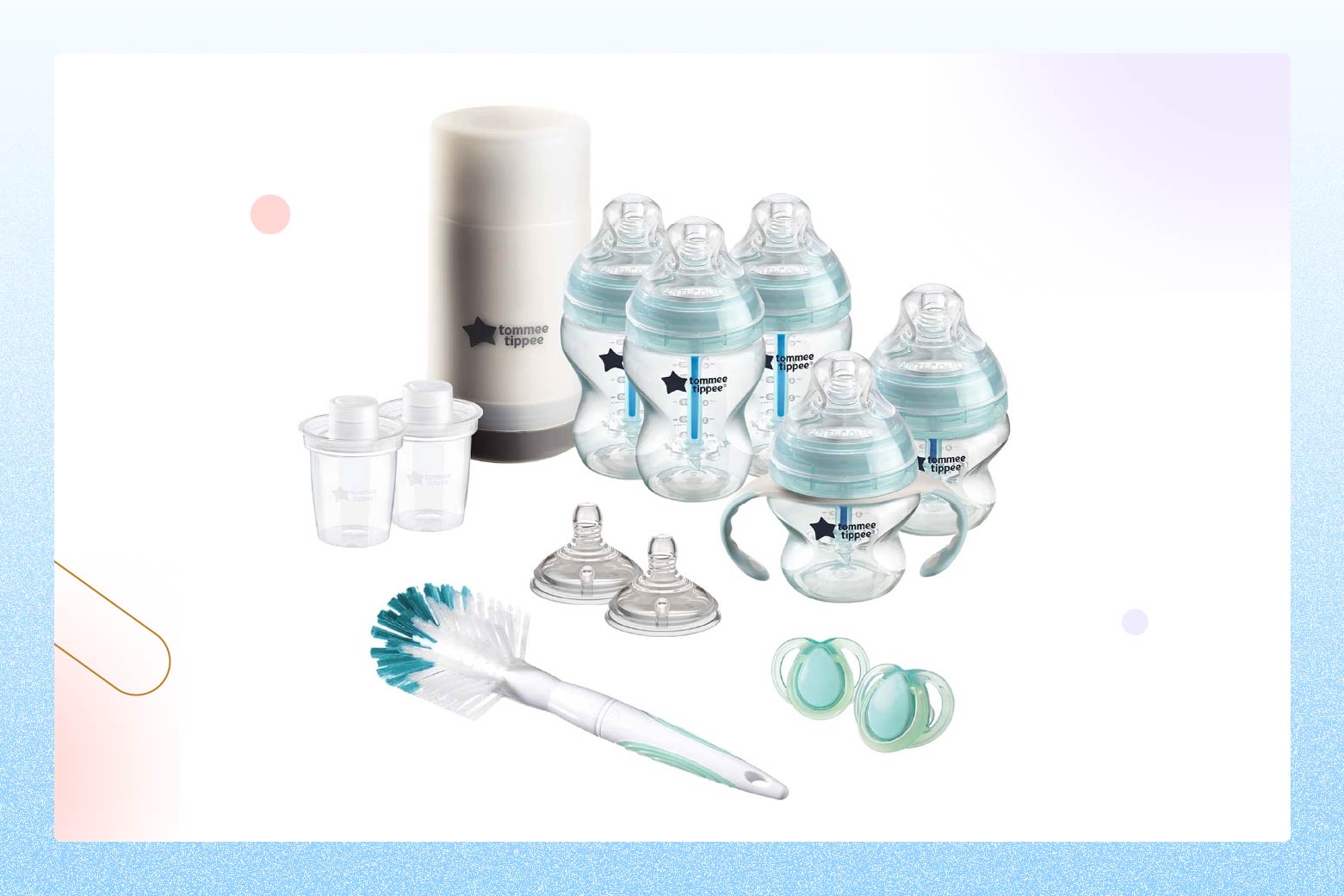
Honorable Mention for Bottle Gift Sets – Tommee Tippee Baby Bottle Gift Set
| Material | Plastic BPA- and BPS-free |
| Sizes | 5 oz. 9 oz. |
| Cleaning options | Dishwasher safe |
Joy experts were excited by the Tommee Tippee Advanced Anti-Colic Newborn Feeding Gift Set. It features special built-in heat-sensing technology that will turn pink when the baby’s milk is too hot. The judges also appreciated the anti-colic valve technology, natural breast-like nipples, sterilizer, and warmer, making this the perfect baby shower gift for new parents.
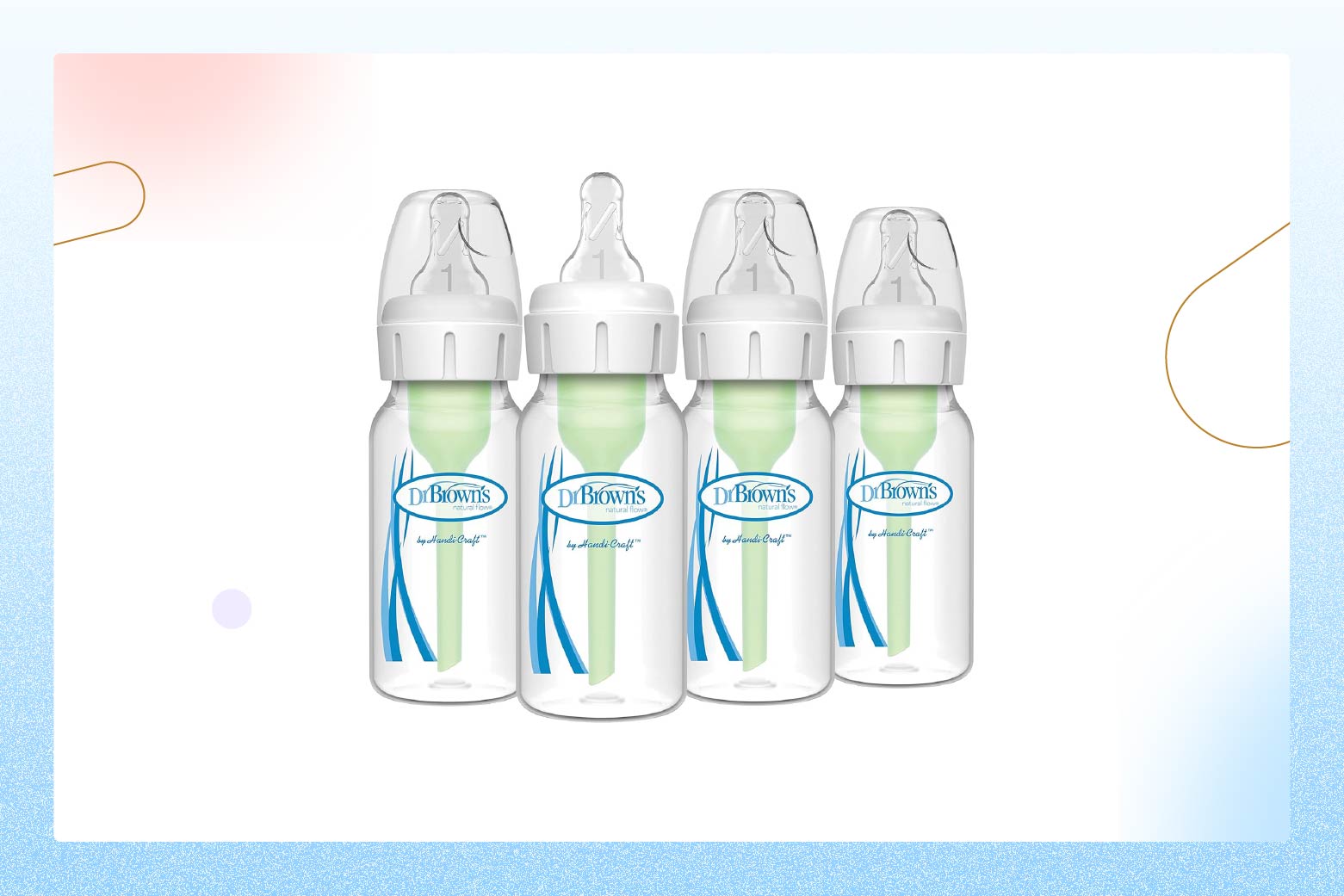
Best Anti-Colic & Gas Bottle – Dr. Brown’s Natural Flow Anti-Colic Baby Bottles
| Material | Plastic BPA-free |
| Sizes | 2 oz. (Preemie) 4 oz. 8 oz. |
| Cleaning options | Dishwasher safe |
A colicky baby usually means excessive crying and fussiness due to abdomen pain caused by intestinal gas or an obstruction. Since babies typically ingest air while feeding on their bottles, it’s important to select a bottle that can help reduce risks of colic, gas, and reflux.
The Dr. Brown’s Natural Flow Anti-Colic Baby Bottle is known for its unique internal vent system that helps decrease each of those ailments. The vent system also preserves essential nutrients in the milk and provides a consistent flow rate as babies drink.
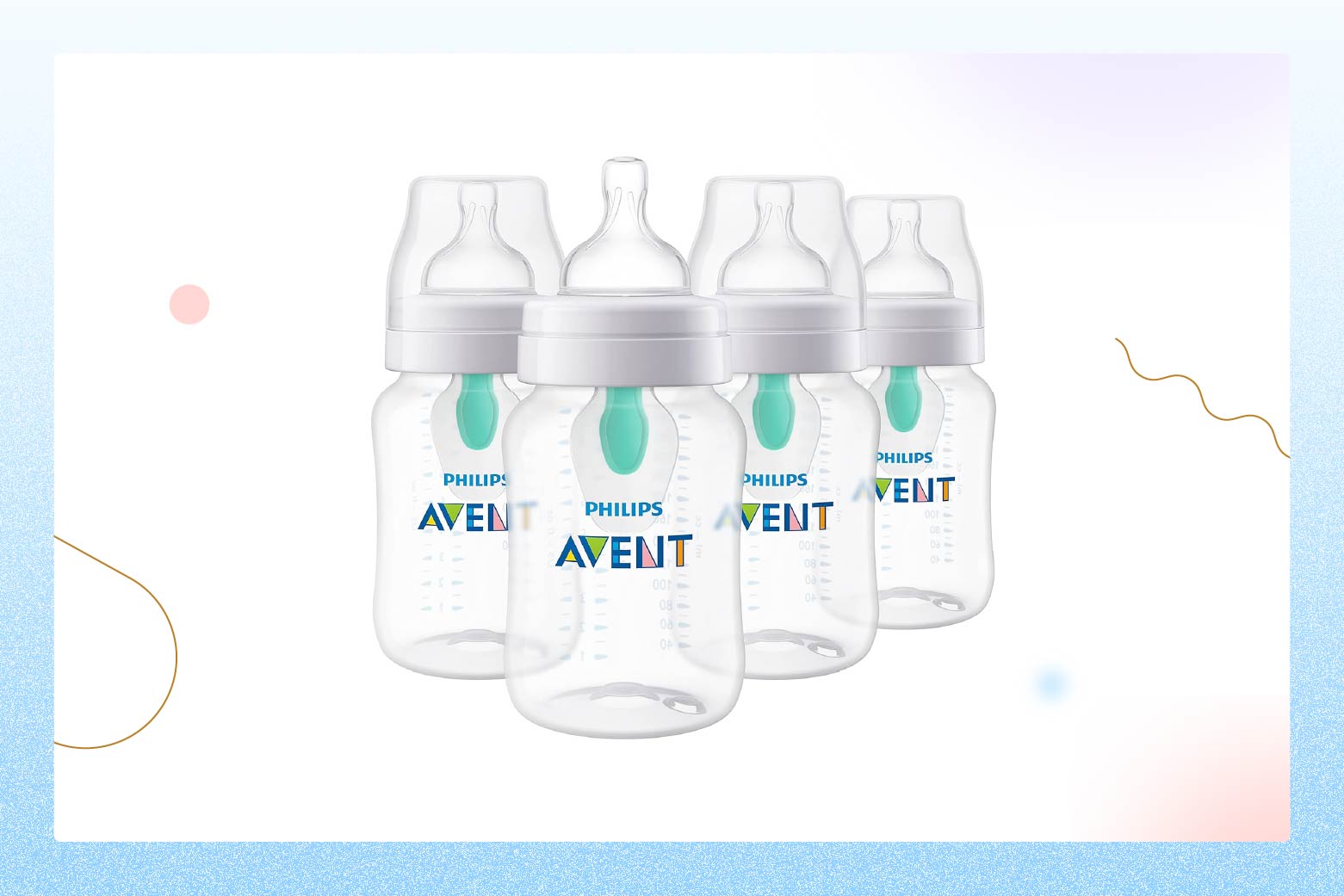
Honorable Mention for Colic & Gas Prevention – Philips Avent Anti-Colic Baby Bottles
| Material | Plastic BPA-free |
| Sizes | 4 oz. 9 oz. 11 oz. |
| Cleaning options | Dishwasher safe |
The Philips Avent Anti-Colic baby bottle is designed to reduce colic and discomfort for babies. It uses an air-free venting system, which allows only milk in the nipple to minimize the risk of gas and discomfort. A bonus aspect of this bottle, according to parents, is how easy it is to clean thanks to its wide neck opening.
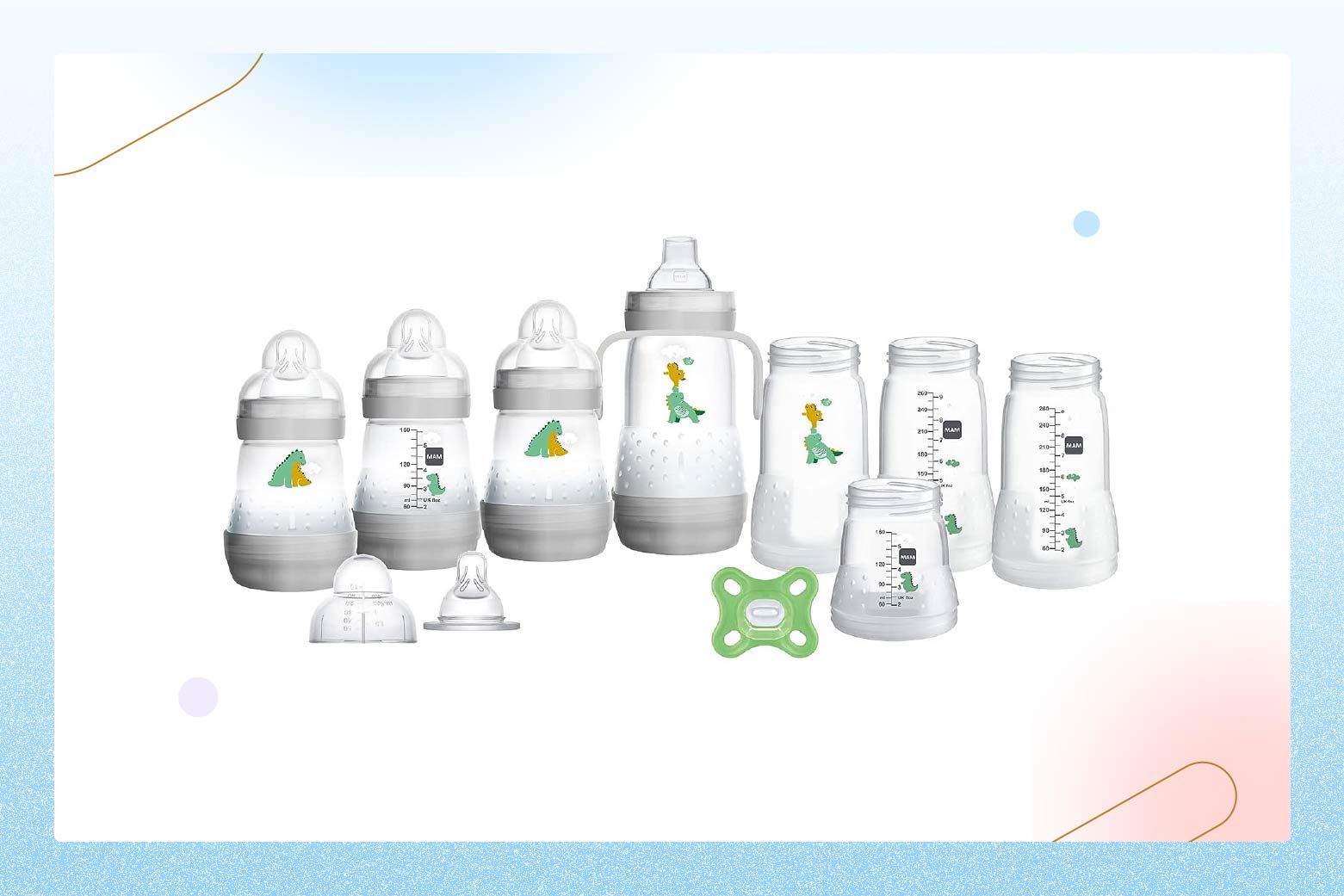
Honorable Mention for Colic & Gas Prevention – MAM Grow With Baby Anti-Colic Baby Bottles
| Material | Silicone BPA- free |
| Sizes | 5 oz. 9 oz. |
| Cleaning options | Dishwasher safe |
The Joy experts were impressed by the MAM Grow with Baby Anti-Colic Baby Bottles, which have a self-sterilizing feature — useful when you’re on the go. Just pop it in a microwave for three minutes, and voila. Your bottle is freshly sterilized.
The bottles are also crafted with a vented base to reduce the risk of colic and gas. They’re easy to clean, and they can grow with your child thanks to interchangeable bottles and parts of the kit.
How to Pick the Best Bottle for Your Baby
Knowing what to consider when choosing the right bottle, from bottle materials to nipple types, will allow you to make an informed choice that addresses your baby’s specific needs.
Bottle factors to consider
When selecting the best bottle for your baby, several factors play a crucial role:
- Materials
- Ease of cleaning
- Bottle shape
- Bottle mouth opening
Look for materials like BPA-free plastic or glass, keeping durability and overall weight in mind. A bottle designed with a larger mouth often makes effortless and thorough cleaning more achievable.
“A wrong nipple size for a feeding bottle can make a baby drink too quickly or too slowly. While flow rate is also crucial to consider, it is also important to know how quickly a formula can flow from a nipple to a baby’s mouth. Silicon nipple material is ideal because of its tear-resistance properties.”
Olivia John
Mom, travel & lifestyle blogger at My Sparkling Life
The right nipple
The nipple on your bottle is a crucial piece of the puzzle. Nipple flow rates vary, which impacts the pace at which your baby feeds. Newborns, who initially have a weak suckling ability, often benefit from slow flow nipples to mimic breastfeeding. Additionally, you can explore nipple shapes and materials that match your baby’s preference, ensuring a seamless transition between breast and bottle.
Other bottle accessories
Consider incorporating practical accessories like bottle warmers, sterilizers, disposable bottle liners, and drying racks for added convenience. These extra accessories can help you sail through feeding time and will help you maintain a hygienic and healthy environment for your baby’s bottles.
Put Your Trust in Joy Baby Experts
Joy brought together a group of parents and parenting experts to identify, discuss, and then rank the best baby bottles on the market for 2024. The effort was led by Hilary Holland, a mother of two with over 10 years of experience in baby and home product e-commerce merchandising.
Finding the perfect bottle for your child’s needs can be overwhelming, so we hope this guide has made the selection process a breeze. By narrowing down the options for the best baby bottles, you and your little one can more easily enjoy the special bonding moments that happen during feeding time.
Baby Bottle FAQ
How many baby bottles do I need?
Having around 6 to 8 bottles is a good starting point. This allows for a rotation of clean bottles while adapting to your baby’s feeding frequency. If you plan to bottle-feed only, you might want to consider having a few more on hand. We suggest adding bottles of different sizes to your baby registry to accommodate changing feeding needs as your baby grows.
What are the differences between glass vs plastic baby bottles?
Glass bottles are free from chemicals associated with some plastics, durable, and easy to clean, making them an eco-friendly choice. They’re also less likely to retain odors or discolor over time. On the other hand, plastic bottles are lightweight and less prone to breaking, making them convenient for parents to throw in a diaper bag on the go. These days, most plastic bottles are free from harmful substances like BPA, but always check the bottle’s packaging before purchasing.
How much should my baby be drinking?
Newborn babies usually eat smaller amounts, around 1 to 3 ounces per feeding. That amount increases as they grow, so they might be drinking 6 to 8 ounces per feeding by six months old. And some babies might need more than that to be full. On average, babies may have about 24 to 32 ounces of breast milk or formula in a day. Be sure to consult your pediatrician to confirm you’re feeding an amount that meets your baby’s specific needs.
Is it necessary to sterilize a bottle for every use?
You don’t have to sterilize baby bottles before each use, but it is important to clean and sanitize them regularly. New bottles should all be sterilized before the first use. After that, washing bottles with warm, soapy water between uses is generally sufficient.
If you have the time and energy, sterilizing bottles at least once a day will add an extra layer of cleanliness, especially helpful for newborns and infants. You can achieve this by boiling, using a sterilizer, or following the instructions on your bottle sterilizing equipment.
The post 15 Best Baby Bottles of 2025, With Tips from Experts appeared first on Baby & Parenting Blog - Joy.
]]>The post Crib Mattress Size Guide + Tips appeared first on Baby & Parenting Blog - Joy.
]]>A standard crib mattress size measures 27 1/4 inches wide by 51 5/8 inches long, with a thickness not exceeding 6 inches, based on U.S. Consumer Product Safety Commission guidelines.
There are so many details to consider when preparing to welcome your bundle of joy into the world. When juggling decisions ranging from breastfeeding or bottle feeding to what color nursery you want, one detail that often gets overlooked is choosing the right crib mattress size.
Believe it or not, not all cribs are created equal. Understanding the dimensions that suit your crib type is key to ensuring your baby sleeps soundly and safely. In this guide, we’ll dive into the world of crib mattresses and explore how selecting the perfect size can make all the difference for you and your baby getting a good night’s rest.
Crib Mattress Size Chart
When it comes to crib mattresses, size truly matters. It’s so important that it can even save your child’s life.
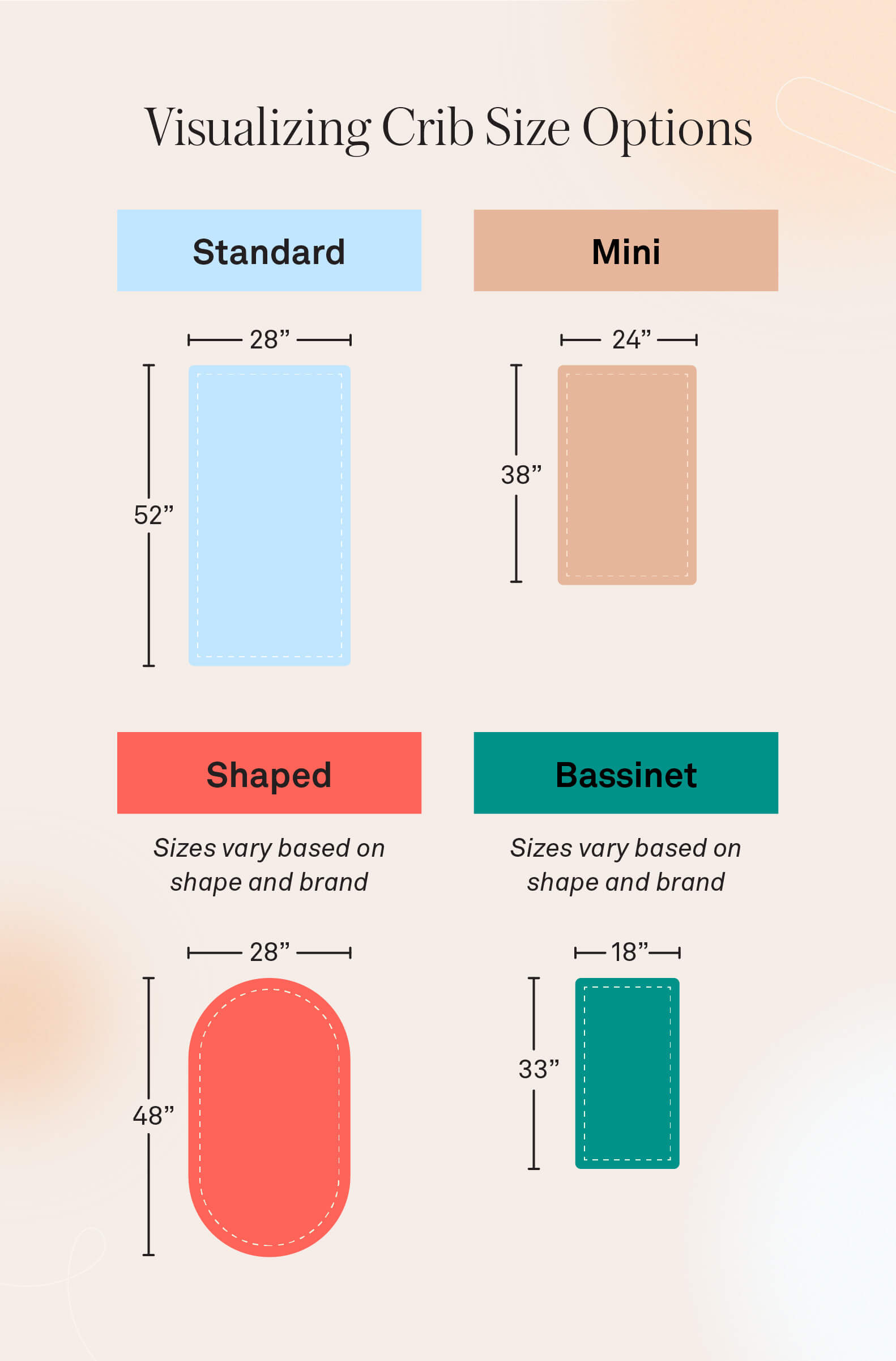
| Type of crib mattress | Width | Length | Ideal for |
| Standard | 27 1/4 inches | 51 5/8 inches | Most nursery spaces |
| Mini | 23 3/8 inches | 37 3/8 inches | Smaller homes, apartments, and nurseries |
| Shaped | Sizes vary | Sizes vary | Adding unique style to a nursery |
| Bassinet | Sizes vary | Sizes vary | Parents who want to sleep next to baby or travel often |
| Note: All sizes are approximate. Check manufacturer guidelines and measure your crib and mattress to guarantee a good fit. | |||
The most prevalent crib mattress size is the standard crib mattress, measuring 27 1/4 inches in width and 51 5/8 inches in length. This size is what you’ll find in most full-size cribs. Be aware that these standard guidelines can vary by plus or minus 5/8 inch.
Measuring from one seam to the other, crib mattresses should not be more than 6 inches tall. This standard decreases the chance of a baby climbing out of their crib as they get bigger.
If you’re considering a less traditional crib option, they often come with unique mattress sizes and can vary greatly. We’ll describe some common crib types below.
Why fit matters
A properly fitting mattress ensures there are no dangerous gaps between the mattress and the crib’s sides. This tight fit is a preventative measure for potential entrapment and suffocation hazards for your baby.
Helpful Tip
There should be space for no more than two fingers between the side of your crib mattress and the crib’s frame.
How to manually calculate your crib mattress dimensions
Thankfully, figuring out the crib mattress dimensions you need is a pretty straightforward process. Here are five simple steps to guide you:
- Measure the inside of the crib: Begin by measuring the interior dimensions of your crib. Use a tape measure to determine the width and length.
- Allow for a snug fit: Subtract about 1/4 to 1/2 inch from both the width and length measurements. This small gap helps prevent any mattress edges from folding, which could be a safety hazard.
- Check for standard sizes: Since most full-size cribs adhere to a standard size of 28 inches in width and 52 in length, double-check that your measurements align with these dimensions.
- Consider crib type: If you have a non-standard-sized crib, check the manufacturer’s guidelines for mattress size recommendations. These cribs may require specific mattress sizes instead of standard sizes.
- Safety above all: Remember that safety is the top priority. Make sure that the mattress fits snugly with no gaps that could dangerously trap your baby.
5 Common Types of Cribs
Did you know that there are at least five common types of cribs, each with unique characteristics? From standard cribs to convertible cribs and mini cribs, these crib variations may require different mattress sizes to fit snugly.
Standard cribs
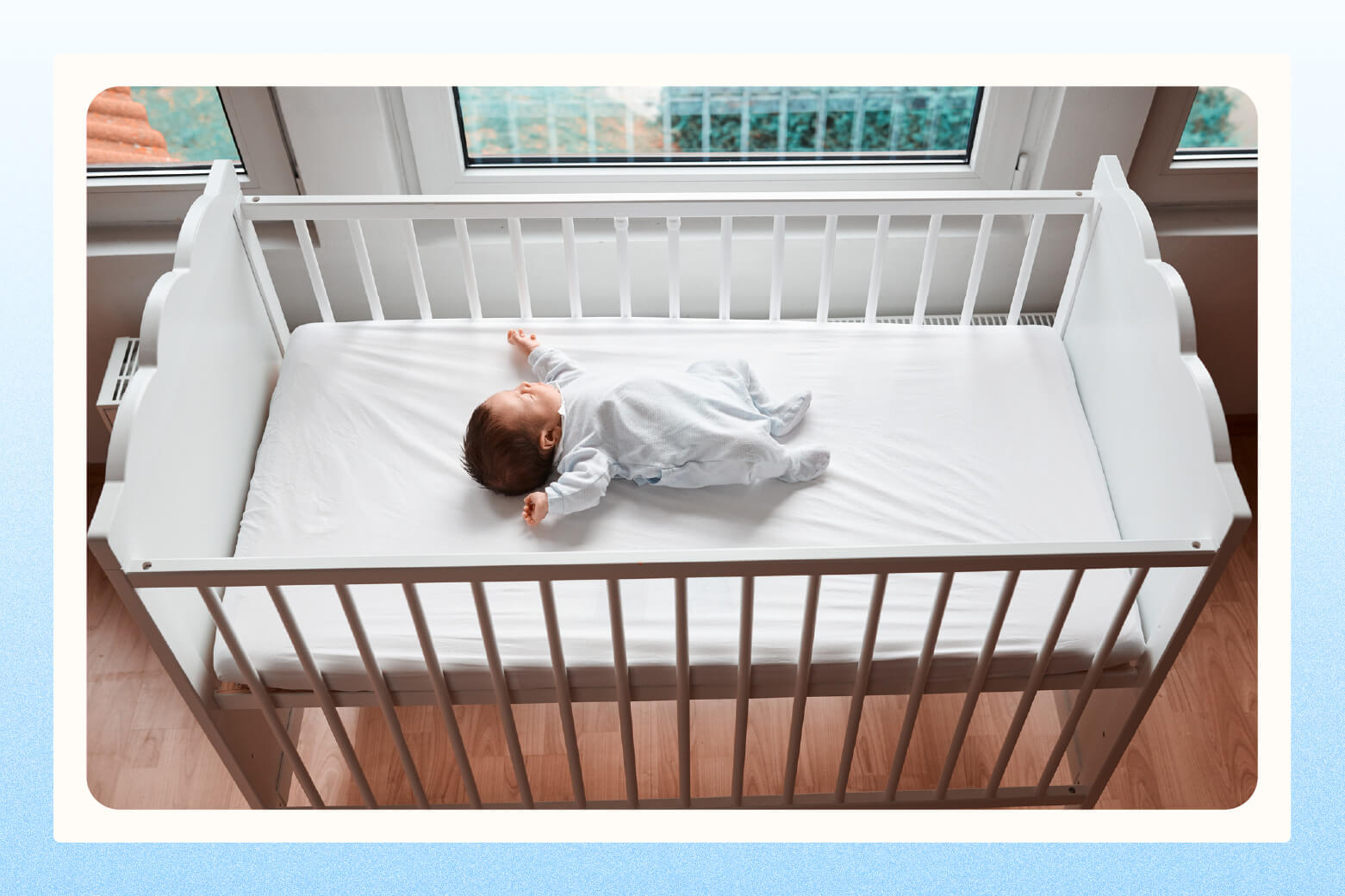
- Standard crib size: 28” wide x 52” long
- Best for: Most nursery spaces
A standard crib, sometimes referred to as a full-size crib, is the traditional choice for most parents, designed with specific measurements to ensure your baby’s safety and comfort. These cribs work great for most nursery setups and fit most standard crib mattresses like a glove. Standard cribs are a top choice for families seeking long-term value, as they can often convert into toddler beds or daybeds, accommodating your child’s growth over the years.
Mini cribs
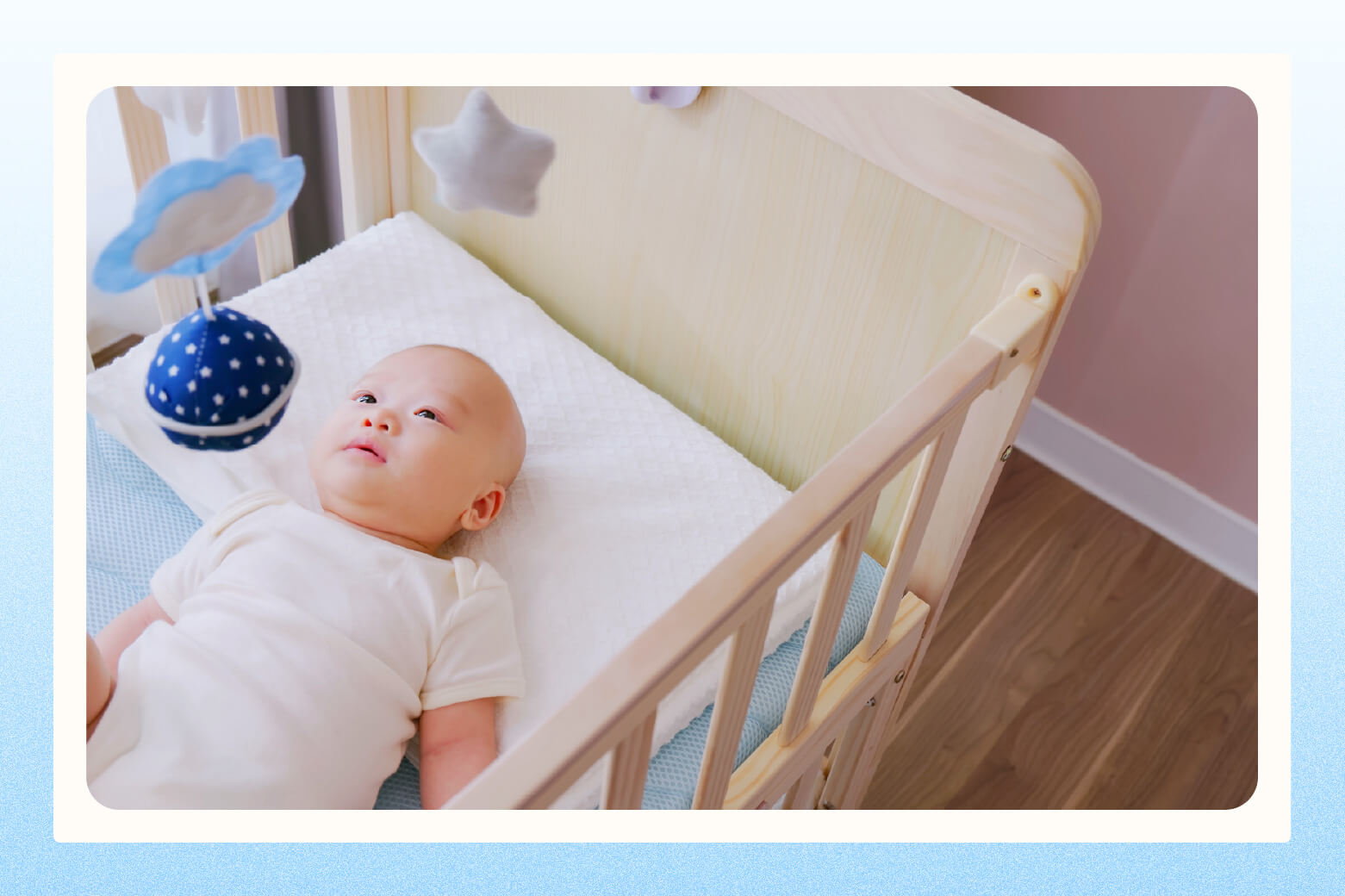
- Mini crib size: 24” wide x 38” long
- Best for: Smaller homes, apartments, and nurseries
A mini crib is a smaller and more compact version of a standard crib. It’s a great way to save room in a small nursery. Mini cribs usually have interior dimensions of around 24 inches in width and 38 inches in length.
These cribs can be a good option, depending on your situation. For instance, a mini crib can be the perfect fit if you’re setting up a nursery in a smaller bedroom or sharing space with your baby. They are also great for grandparents’ houses or families who frequently travel since they’re easier to transport and fit through doorways.
Shaped cribs
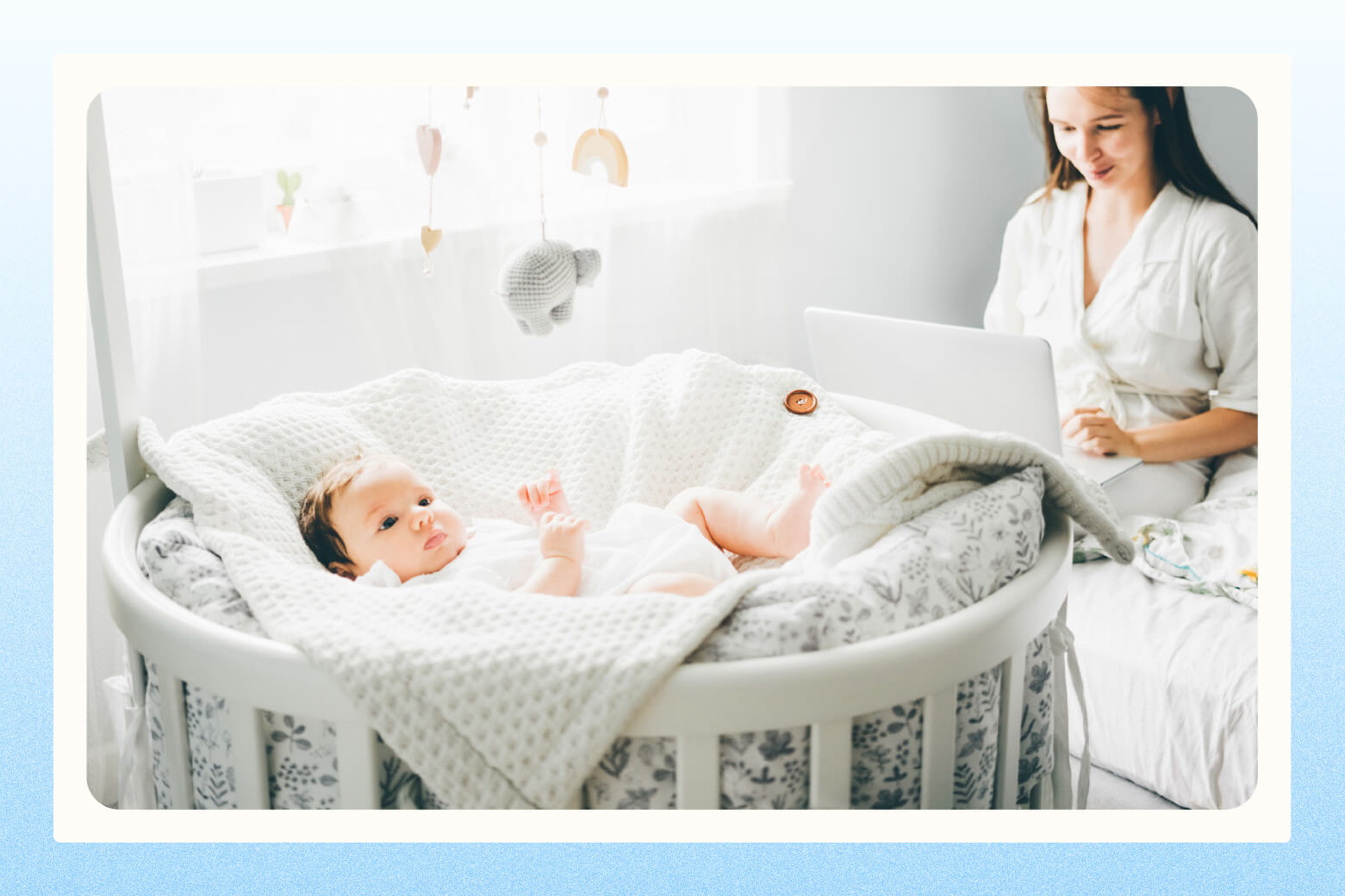
- Oval-shaped crib size: 28” wide x 48” long (size depends on shape and brand)
- Best for: Adding unique style to a nursery
Shaped cribs, also known as novelty cribs, can come in unique shapes and whimsical designs. Some may be as simple as an oval shape, but you can also find cribs shaped like animals, boats, or even fantasy castles. Most uniquely shaped cribs will come with a mattress tailored to fit the crib’s exact measurements and shape. While these cribs can add an extra layer of personality to your baby’s space, it’s important to ensure they still meet safety standards, just like traditional cribs.
Bassinets
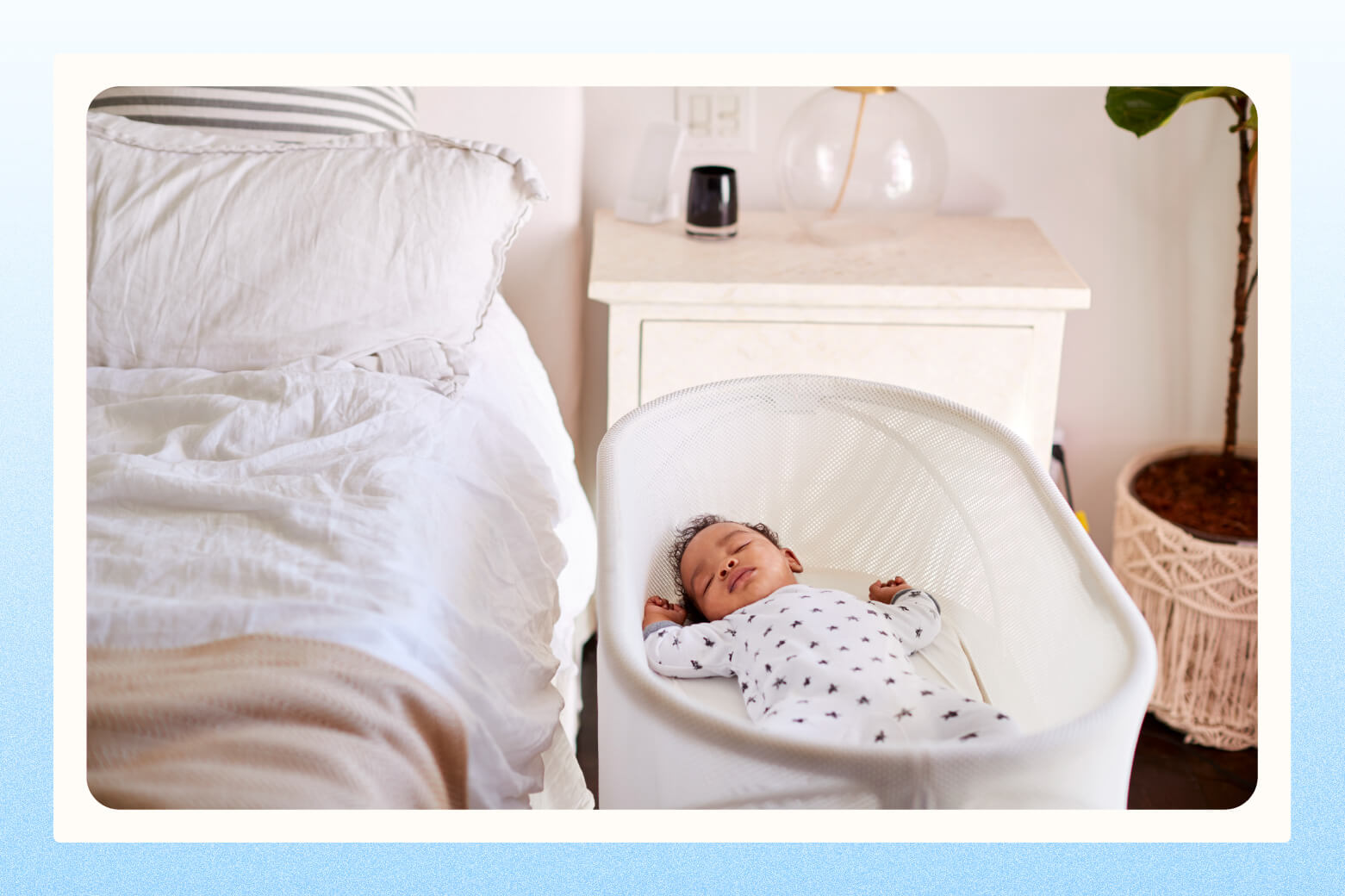
- Rectangle bassinet size: 18” wide x 33” long (size depends on shape and brand)
- Best for: Parents who want to sleep next to baby or travel often
A bassinet is a small portable bed for an infant, often positioned right next to a parent’s bed. They offer the flexibility to keep your newborn close by, making nighttime feedings and soothing easier. Another bonus feature of a bassinet is that a mattress is usually included.
Bassinets are often smaller than standard cribs, making them ideal for smaller nurseries or parents who want their baby right next to their bed during those early months. They are also popular with families who travel frequently with their baby, as they’re more compact and easier to transport than a standard crib.
Convertible cribs
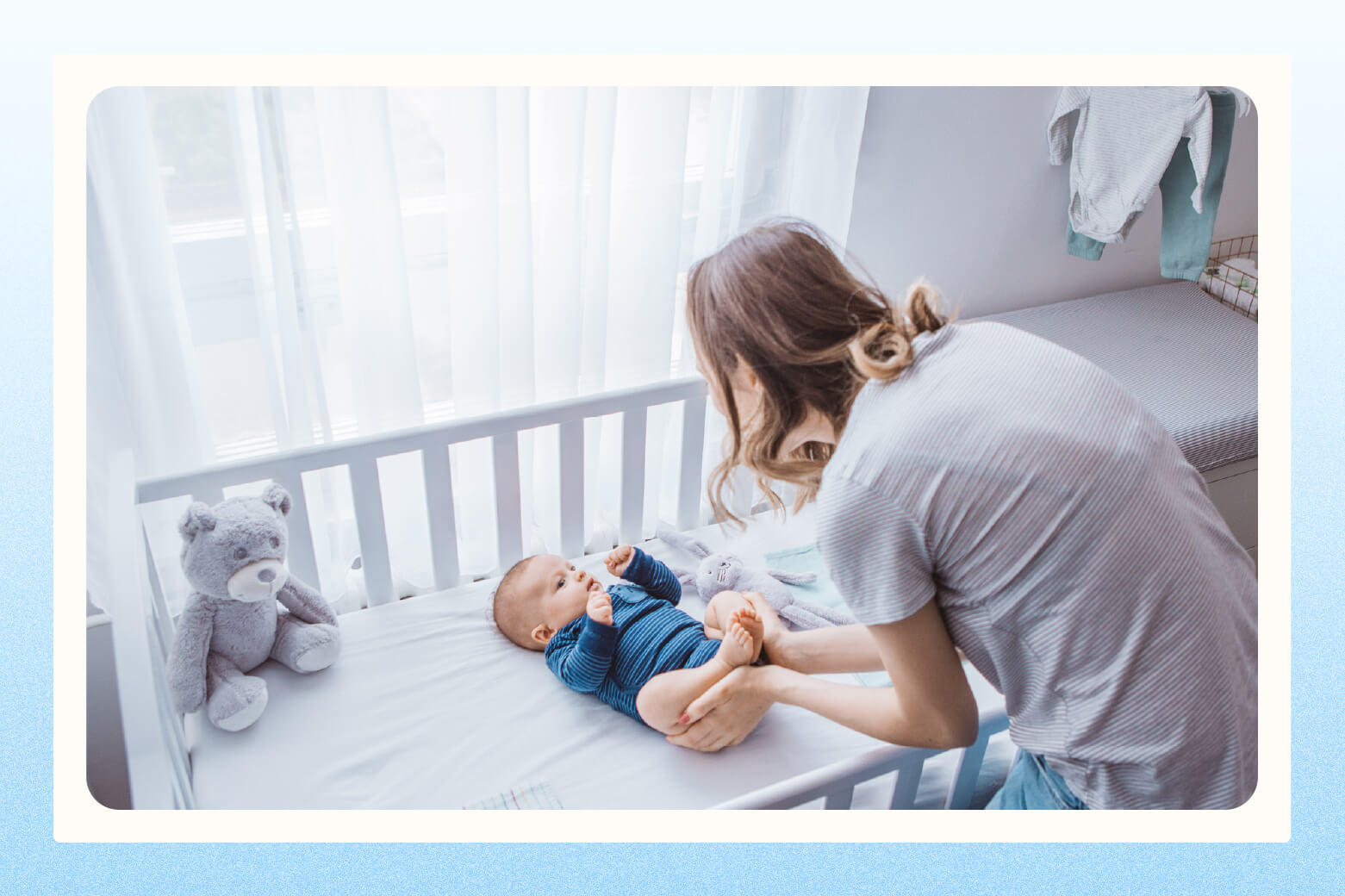
- Standard crib size: 28” wide x 52” long (same size as standard cribs)
- Best for: Families wanting to save time and money purchasing a toddler bed
Convertible cribs are designed with multiple possible configurations, typically transitioning from a crib to a toddler bed, daybed, and sometimes even a full-size bed. They typically use a standard-size crib mattress. And they can serve as a long-term investment in your child’s sleep — their adaptability can save you both time and money since you won’t need to purchase a separate toddler bed.
How to Choose the Right Crib Mattress
Selecting the perfect crib mattress requires you to pay attention to five essential factors that will help ensure a safe and comfortable sleeping environment for your baby.
- Safety: Start by checking for certifications like the GREENGUARD Gold or Oeko-Tex labels, which indicate that the mattress has been tested for harmful emissions and chemicals. Rest assured that the U.S. government has set flammability testing standards that all crib mattresses must meet.
- Firmness: Opt for a firm crib mattress to reduce the risk of suffocation and provide the necessary support for an infant’s developing body.
- Size: Measure your crib’s interior carefully to determine the right mattress size. As we’ve mentioned, standard crib mattresses typically measure 28 by 52 inches, but cribs can vary. Make sure the mattress fits snugly with no gaps to prevent entrapment hazards.
- Materials: Consider the materials used in the mattress, such as foam or innerspring. Both options have advantages, so choose one that works best with your preferences and budget.
- Durability: Look for a crib mattress that can withstand wear and tear. Quality materials and construction will increase the likelihood that the mattress will last throughout your baby’s crib years.
Choosing the right crib mattress size is a small but important decision that will contribute to your baby’s overall comfort and safety. By considering factors like firmness, materials, and safety certifications, you can give yourself some peace of mind while creating a cozy and secure sleeping environment for your little one.
Crib Mattress Frequently Asked Questions
How high should a crib mattress be in the crib for a newborn?
The ideal height position for a newborn’s crib mattress is generally at its highest setting, typically around 10 to 12 inches from the top of the mattress to the crib’s railing. This allows for easy access for parents and caregivers when placing or picking up your baby. As your baby grows and becomes more active, you can gradually lower the mattress to prevent them from climbing out when they reach that adventurous stage. Always refer to your crib manufacturer’s guidelines for specific height recommendations to ensure a safe night’s sleep for your newborn.
Can I register for a crib mattress?
You can absolutely register for a crib mattress! Use this handy baby registry checklist and consider the size and type of crib you have to ensure you select a mattress that will fit properly.
Are all crib mattresses the same size?
While there are standard crib mattress dimensions, some variations exist, especially with different types of cribs. It’s important to measure the crib’s interior dimensions or check the manufacturer’s recommendations to confirm the specific crib mattress size you need.
Is a crib mattress the same size as a toddler mattress?
Toddler mattresses are slightly larger than crib mattresses and are designed to accommodate a growing child who has transitioned from the crib to a toddler bed.
The post Crib Mattress Size Guide + Tips appeared first on Baby & Parenting Blog - Joy.
]]>The post The Best Free Baby Stuff for 2025: Essential Resources for New Parents appeared first on Baby & Parenting Blog - Joy.
]]>Hidden Costs of Free Stuff
While free baby stuff can be a great way to save money, there may be a hidden price tied to these items—and it’s not always a money-related cost. It’s a good idea to be aware of these factors to make the right choice for your budget.
Some hidden costs of free baby stuff include:
- Shipping and handling fees: Some companies offering free baby samples or promotional items may require you to cover the cost of shipping and handling. These fees can add up, especially if the items are bulky or sent from international locations.
- Unsolicited marketing and spam: When signing up for free baby stuff, you might have to provide your email address or contact information. This could lead to receiving marketing emails, spam, or even telemarketing calls, which no one likes to get.
- Subscriptions and auto-renewals: Free trials or samples may come with subscriptions or auto-renewals that start charging you once a trial period ends. Be sure to read through the terms and conditions to avoid getting billed for stuff you don’t want.
- Quality and safety concerns: It can be difficult to guarantee that free baby items meet the same quality and safety standards as products you would pay for. Thoroughly research the products to make sure they meet current safety requirements.
To lessen the impact of these potential hidden costs, carefully consider the freebies before you accept them. Focus on reputable sources and brands to make sure the items you receive will be able to meet your baby’s needs safely.
Free Baby Essentials
Free baby essentials can be a big help in managing your monthly budget. But it’s important to verify the sources and ensure the products are safe and suitable for your baby. Remember to be cautious about sharing personal information, and deal only with reputable companies or organizations.
Baby formula
There are several ways to get your hands on some free baby formula. Consider these options:
- Ask about hospital samples: Some hospitals provide new parents with free baby formula samples during their stay after childbirth. Be sure to ask if they have any available.
- Visit your pediatrician’s office: Pediatricians often receive formula samples from baby formula companies. During checkups, ask if they have any samples to provide — especially if your baby has specific dietary needs or allergies.
- Contact the WIC program: In some regions, the Special Supplemental Nutrition Program for Women, Infants, and Children (WIC) provides free formula to eligible low-income families.
- Join baby clubs and registries: Enroll in baby clubs and registries offered by baby formula brands like Nestle, Gerber, Similac, and Enfamil. They often send out free samples, coupons, and promotional materials to members.
- Request samples directly: Many baby formula manufacturers have online request forms where you can ask for free samples to be mailed directly to you.
- Engage with social media marketing campaigns: Follow baby formula brands on social media and subscribe to their newsletters. They sometimes run promotional campaigns and giveaways that include free samples.
Try to be especially cautious when it comes to free baby formula. Verify that the formula you receive is actually appropriate for your baby’s age and dietary needs.
Diapers
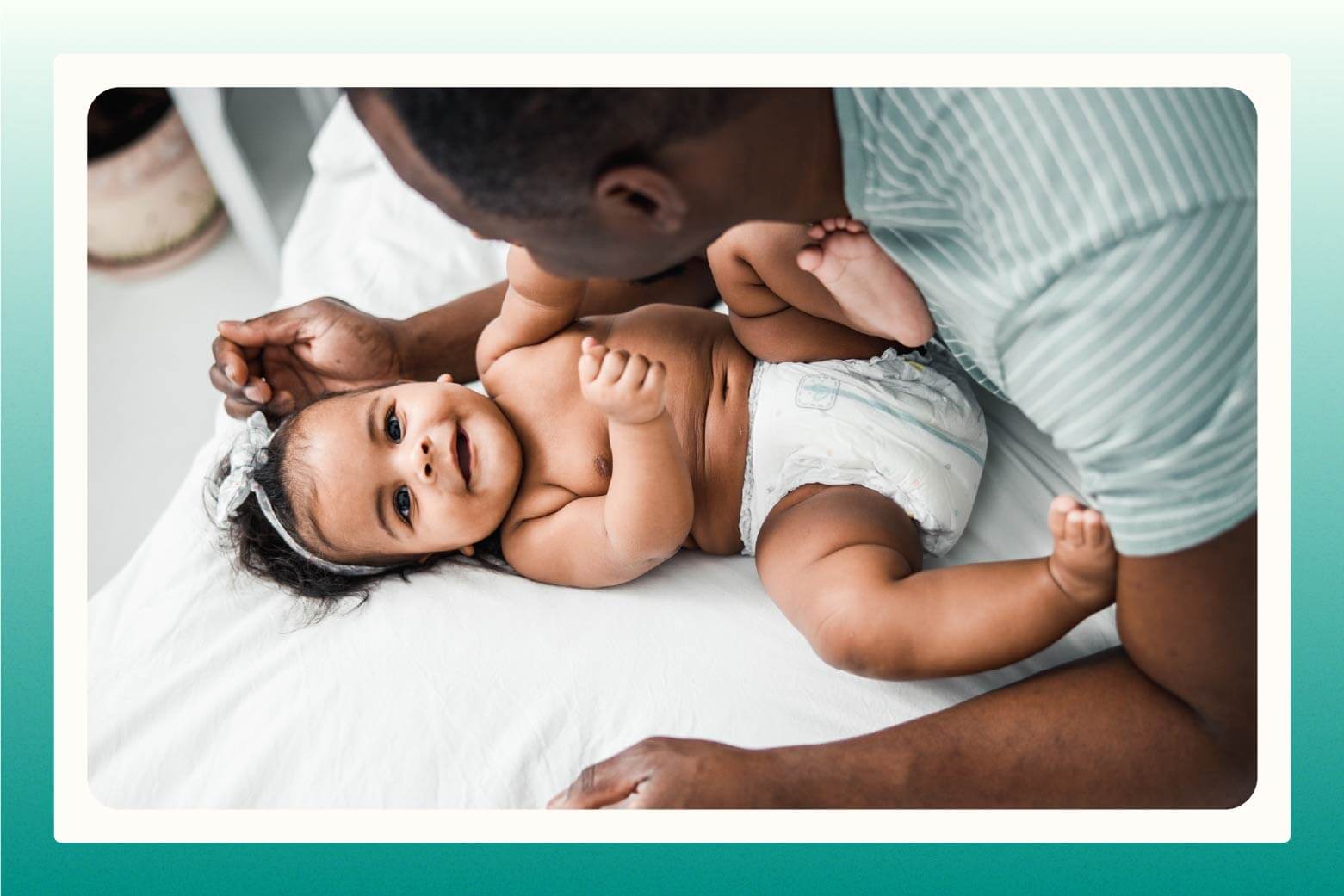
Be prepared for the poopy diapers! Here are some options for getting free baby diapers:
- Diaper banks: Some communities have diaper banks that provide free diapers to local families in need. Check for diaper assistance programs in your area, including your local food banks. And visit the National Diaper Bank Network to see if you qualify for their services.
- Freebie websites: Websites dedicated to offering free samples and promotions regularly include free baby diaper offers. Check websites like OurFreeStuff.com, FreeStuff.com, or SampleSource.com.
- Baby product companies: Some baby product manufacturers offer free diaper samples as part of their marketing strategy. Visit popular diaper brands’ official websites and sign up for their newsletters or loyalty programs to get notifications about available freebies. Both Pampers and Huggies have rewards programs that are worth checking out.
- Online parenting communities: Join online parenting forums and communities where members share information about free baby products, including diapers.
- Baby fairs and expos: Attend baby expos and fairs where various baby brands showcase their products. Some of them offer free diaper samples to attendees.
- Community Freecycle or free stuff groups: Check online platforms like Freecycle, Craigslist, or local community Facebook groups where people give away items they no longer need, including baby diapers. Try searching for Buy Nothing [Your City] or [Your City] Mom Group on Facebook to find options near you.
When seeking free baby diapers, keep in mind that availability may vary in the quantity and size of the diaper you want. As always, be cautious about sharing personal information and deal only with reputable websites and companies.
Breast pumps
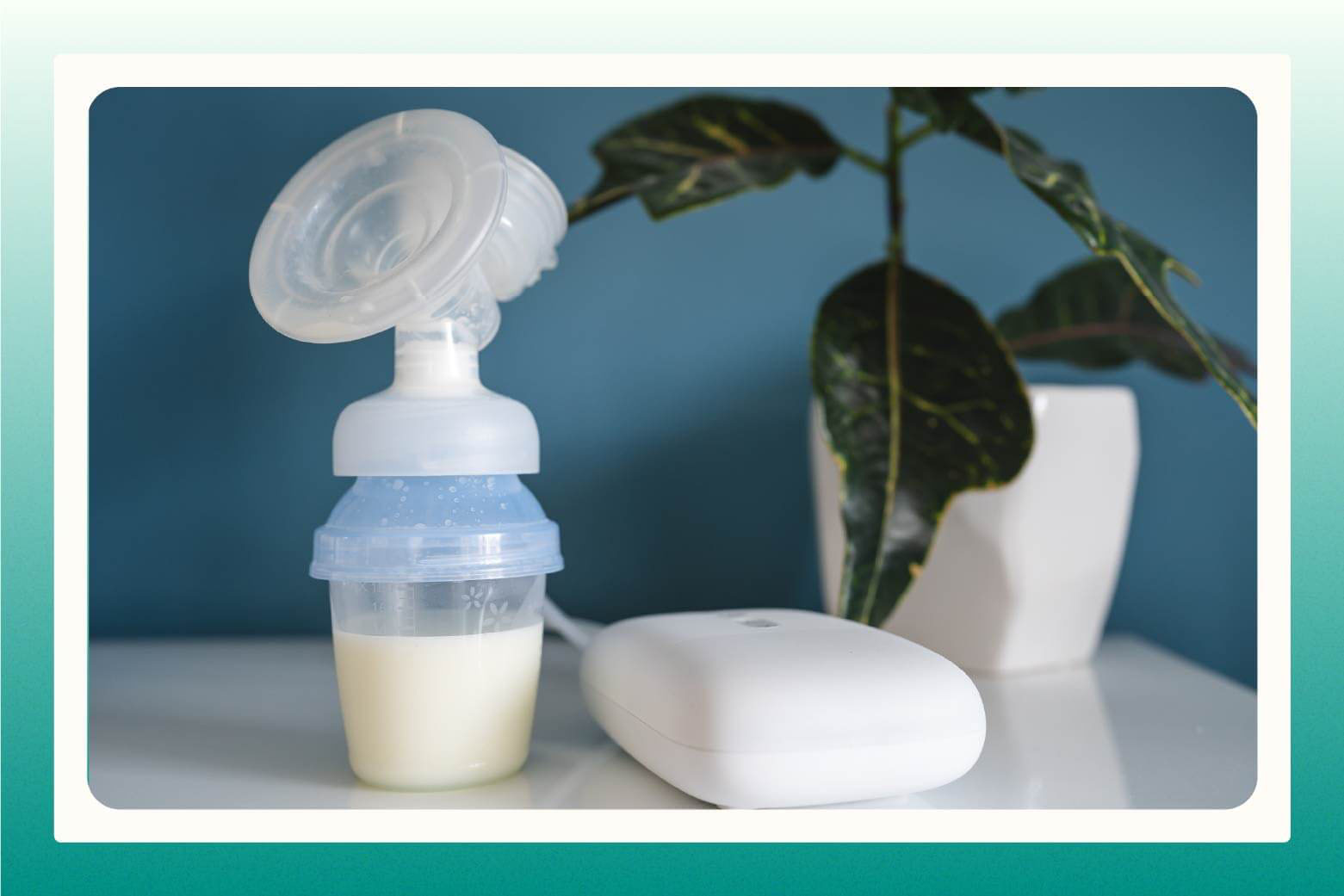
If you plan to breastfeed your child, it’s possible to get yourself a free breast pump. Here are a few key ways to get a breast pump for free:
- Health insurance: Under the Affordable Care Act (ACA), most health insurance plans are required to provide coverage for breast pumps for nursing mothers. Contact your health insurance provider to understand your coverage options and which breast pumps are available to you. Popular options to consider are Aeroflow and Medela.
- Medicaid: If you’re covered by Medicaid, you might be eligible to receive a free breast pump. Check with your Medicaid provider or local Medicaid office for more information on how to get one.
- WIC program: In some regions, the WIC (Women, Infants, and Children) program offers breastfeeding support in some regions, which may include providing free breast pumps for eligible participants. Inquire with your local WIC office for details.
- Breast pump rental programs: Some hospitals, lactation centers, or breastfeeding support organizations offer breast pump rental programs. In certain cases, they might even provide free breast pump rentals for those in need.
- Breastfeeding support groups: Local breastfeeding support groups or parenting communities may have resources or loaner breast pumps available for free or at a reduced cost.
When seeking a free breast pump, you’ll first need to research your options thoroughly and ensure you meet any eligibility criteria. Then follow the instructions for using the machine.
How to find other useful baby items
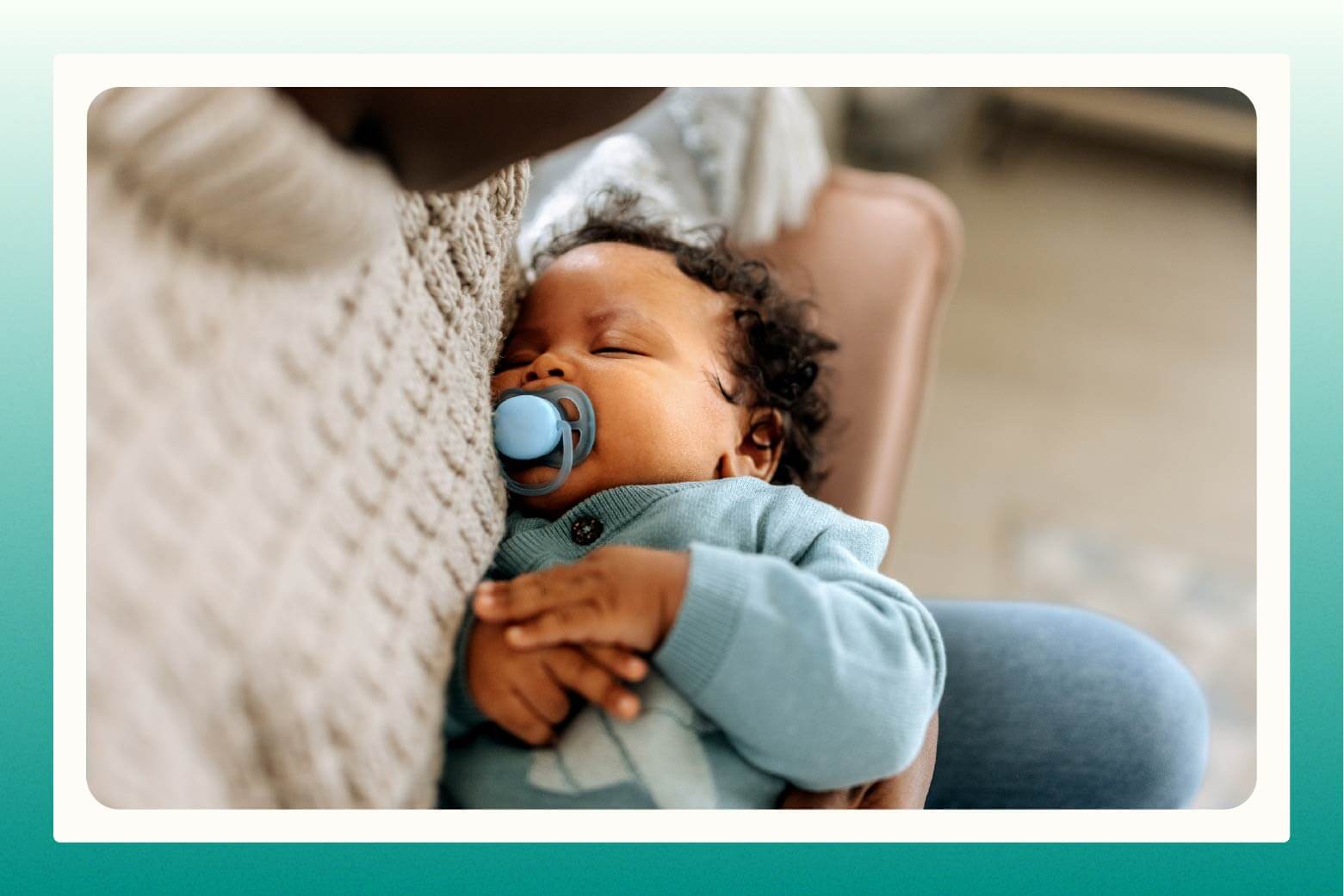
Beyond diapers and formula, some of the best baby essentials you can try to get for free include:
- Baby wipes: Wipes are essential for diaper changes and giving your baby a quick clean when you’re on the go. Look for sample packs or promotions that offer free baby wipes. If you email some companies, like Seventh Generation, and let them know you’re pregnant, they might mail you free samples of their products. The eco-friendly company, Abby & Finn, offers a deluxe diaper trial that features free wipes and eight free chlorine-free diapers.
- Baby clothing: Some baby stores or online retailers offer free baby clothing as part of welcome gifts or promotional offers. You can also check in with people you know who may have hand-me-downs your baby can use. Keep an eye out for onesies, bodysuits, and sleepers.
- Baby skin and hair care products: Baby body wash, shampoo, and certain lotions are considered gentle enough for a baby’s skin. You can find free samples or travel-sized bottles through various promotions. For example, the Cetaphil Parents Club features coupons and other promotions for their skincare products.
- Baby bottles: Some companies offer free baby bottles as part of promotional packages or welcome gifts. Join the MAM Club for free samples that may include bottles, pacifiers, and other useful baby essentials.
- Pacifiers: Look for promotions that offer free pacifiers, which can be soothing for babies. Some registry welcome boxes include a free sample pacifier.
- Cribs: The Cribs for Kids nonprofit offers support for families in need. They partner with local organizations around the U.S. to distribute portable cribs for babies who need a safe space to sleep.
- Nursing pads: If you plan to breastfeed, some companies provide free nursing pad samples for nursing mothers. Nanobébé offers a free kit that includes nursing pads, breastmilk storage bags, and a pacifier.
- Baby books: Some organizations or parenting clubs offer free baby books as part of literacy initiatives. Sign up for Dolly Parton’s Imagination Library to receive a free age-appropriate book once a month for your child, from their birth through age 5.
- Baby safety products: Some companies and nonprofits, like Charlie’s House, offer free samples of baby safety products like outlet covers, cabinet locks, or corner protectors.
- Baby food samples: When you plan to introduce your baby to solid foods, be on the lookout for free baby food samples or introductory offers. You can also explore Pinterest and other sites for free baby food recipes if you’re interested in making your own baby food.
Remember to check with local community organizations or parenting support groups, as they may host events or provide assistance to parents in need of baby essentials. You can also explore companies like Hey, Milestone, which offer free boxes of samples if you pay for shipping and handling.
Baby Registry Freebies
Baby registries are a great way to score some freebies. Some companies offer added incentives when you sign up to create a registry on their site. Perks may include a welcome box of baby products, special coupons, product samples, and more.
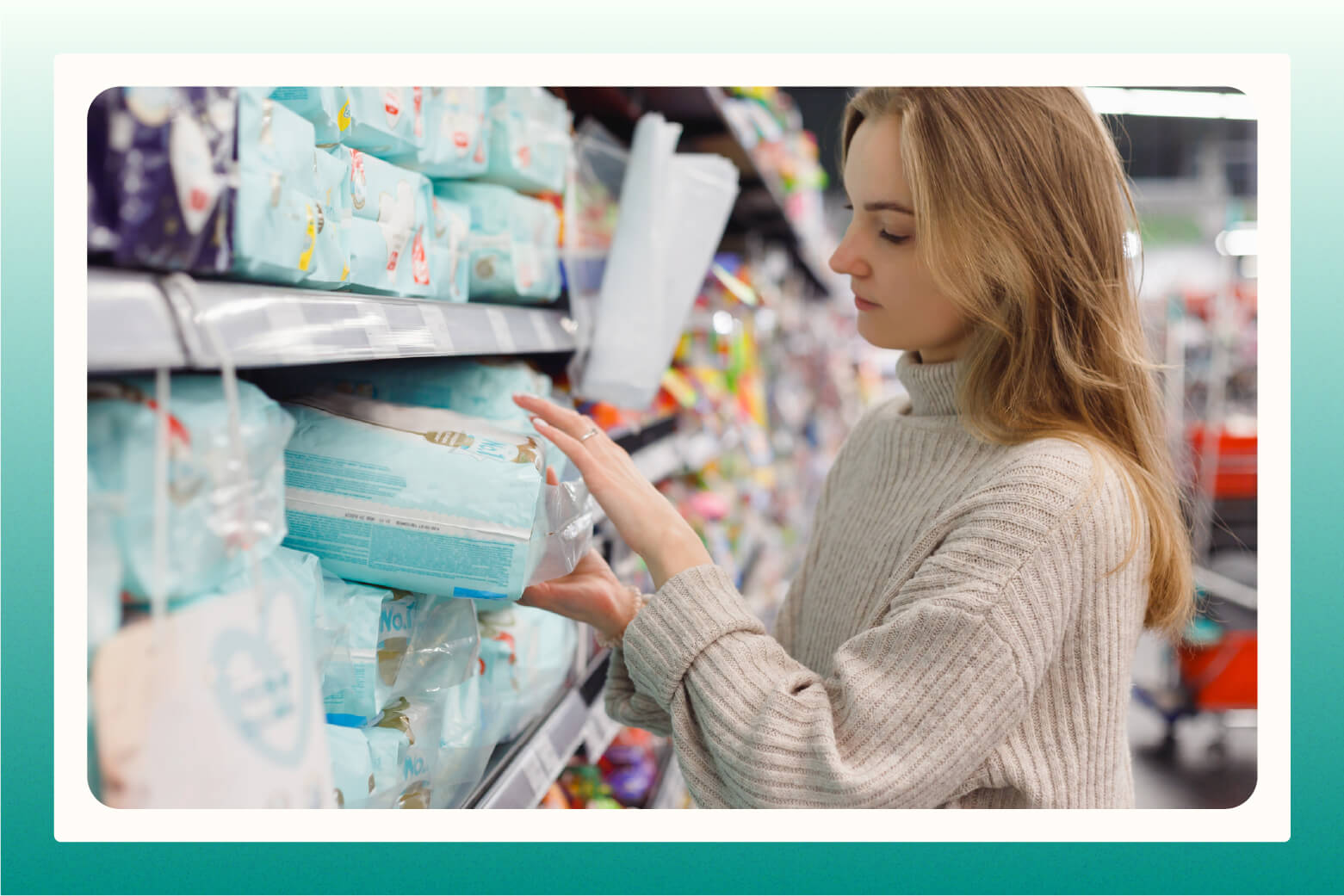
Of course, in the traditional sense, baby registries also offer expectant parents the opportunity to create a wish list of all the items their baby will need. With a Joy baby registry, you can add anything from any store. Shop on Joy or your favorite stores, or connect to another registry while giving guests one place to find the perfect gift. Friends and family can then use the registry to gift essential baby items, providing the parents-to-be with much-needed supplies at no cost.
Amazon
Amazon offers a variety of freebies and benefits for soon-to-be parents when they start a registry. Here are some that are commonly available with an Amazon baby registry:
- Welcome box: One of the primary freebies is a complimentary welcome box filled with baby product samples, goodies, and coupons. To qualify for the welcome box, you typically need to be an Amazon Prime member and meet certain purchase requirements.
- 15% completion discount: Expectant parents who create an Amazon baby registry receive a 15% completion discount on the eligible items that remain on their registry after the baby shower. The max amount you can save is $300.
- Group gifting: Amazon allows guests to contribute to larger, more expensive items on the registry through group gifting. This feature makes it much easier for your family and friends to pool their resources and purchase more significant items for the new baby.
- Diaper fund: Your friends and family can specifically contribute to the purchase of diapers through Amazon gift cards.
- Extended returns: Certain items purchased from your Amazon baby registry have an extended return window of one full year, which can be helpful in case you receive duplicates or need to exchange items.
- Thank-you list tracking: Avoid forgetting who gave you what with a list that tracks the gift givers for you.
- Free shipping: Many eligible registry items come with free shipping.
Be sure to review the terms and conditions on the Amazon website for the most up-to-date information on freebies and benefits offered with an Amazon baby registry.
Target
Target also provides a range of freebies and benefits for expectant parents who create a baby registry with them. Here are just some of the freebies and benefits you may receive with a Target baby registry:
- Welcome kit: Items included in the welcome kit are usually samples, coupons, and other baby-related goodies, often totaling approximately $100 in value.
- 15% completion discount: Expectant parents will receive a 15% discount on any remaining items on their baby registry after the baby shower or due date.
- Postpartum care box: The limited edition postpartum essentials box contains a variety of things a mom may need after giving birth.
- One-year return period: Any items purchased from the Target baby registry get an extended return window, making it convenient for returns or exchanges.
To learn more about the current freebies and benefits offered with a Target baby registry, visit the Target website or contact your local Target store directly.
Walmart
Creating a baby registry at Walmart comes with several freebies for you to enjoy. Here are some of the freebies and benefits commonly associated with a Walmart baby registry:
- Welcome box: While the exact contents are kept secret to ensure it’s a surprise, the welcome box typically includes baby product samples, coupons, and other goodies.
- Price matching: Walmart offers a price matching policy, allowing you to get the best price for items on your baby registry.
- Online convenience: Like many modern registries, the Walmart baby registry allows you to manage your registry online, add items from their website or app, and easily share it with friends and family.
- Group gifting: Walmart allows guests to contribute to larger items on the registry through group gifting, making it easier for loved ones to contribute toward big-ticket items.
- Easy returns: Items purchased from your Walmart baby registry will have a hassle-free return process.
Stay on top of your Walmart registry by using the app, where you can add products directly from your phone.
Free Baby Items From the Hospital
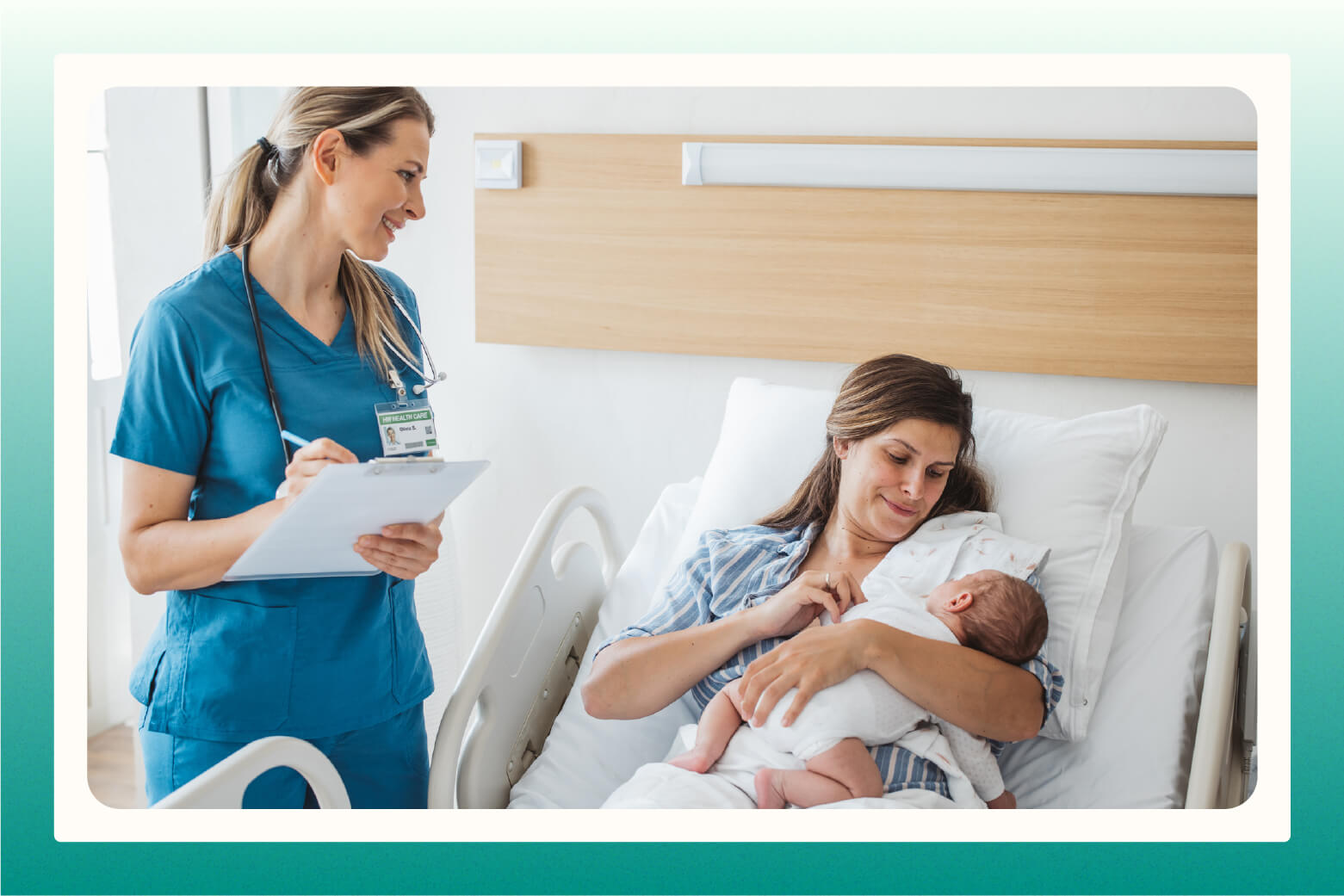
When you give birth at a hospital, you may be able to receive free baby items, samples, and resources to support you and your newborn during your stay. The specific items will vary depending on your local hospital’s policies and available resources, but you might receive these items from the hospital:
- Diapers: Hospitals often provide newborn diapers during your stay to keep your baby comfortable and dry.
- Baby wipes: Along with diapers, hospitals may offer baby wipes for diaper changes and general cleaning.
- Baby blankets: Hospitals typically provide receiving blankets or swaddling blankets to keep your baby cozy and warm.
- Baby clothing: Hospitals may supply basic baby clothing, such as onesies or newborn shirts, during your stay.
- Baby hats: Your baby may receive a warm hat to help regulate their body temperature.
- Formula samples: If you are formula-feeding or supplementing with formula, the hospital may provide you with formula samples.
- Pacifiers: Hospitals might offer pacifiers to help soothe your baby.
- Toiletries: Some hospitals provide basic toiletries for the baby, such as baby wash, lotion, or diaper rash cream.
- Breastfeeding support: Hospitals often have lactation consultants who can assist you with breastfeeding and provide guidance and support while you’re in the hospital.
Note that not all hospitals provide the same free baby items. Additionally, some hospitals may require you to explicitly request certain items or services. If you have specific preferences or questions about the free baby items offered, don’t hesitate to ask the hospital staff during your stay.
Other Tips for Finding Free Baby Stuff
You are not limited to stores and hospitals for finding free goodies for your baby. Let’s look at some additional options that could help.
Baby box programs
Baby box programs provide expectant parents with a free box filled with essential baby items and resources. The boxes themselves are designed to serve as safe sleeping spaces for newborns, reducing the risk of sudden infant death syndrome (SIDS).
Baby boxes usually come with a mattress and fitted sheet so the baby can sleep directly in the box, meaning you won’t have to worry about finding the right crib mattress size. They are also packed with various baby essentials, such as clothing, diapers, wipes, blankets, and other baby care products. The baby box also includes educational materials that offer valuable insights into safe sleep practices, breastfeeding, and newborn care.
Baby boxes are most often distributed by organizations, hospitals, or government agencies. They aim to promote infant safety and support parents in preparing for their baby’s arrival without incurring additional costs.
To receive a baby box, expectant parents usually need to register for the program, complete an educational component on baby safety and parenting, and sometimes provide basic information about their pregnancy.
Social media
Use social media to get free baby stuff by following baby product companies, parenting bloggers, and baby-related pages. You don’t want to miss a quick opportunity once they announce it!
Many brands and influencers run promotional giveaways and contests on their social media platforms, offering free baby products as potential prizes. Some companies may even share discount codes or offer free samples directly to their followers.
Friends and family
Friends and family can help you get free baby stuff by offering hand-me-downs and gently used baby items they no longer need. They may also host a baby shower or a sprinkle, where guests can gift you essential baby items from your baby registry.
Additionally, your loved ones can share information with you about any promotions, giveaways, and freebie opportunities they come across, helping you discover more ways to obtain free baby stuff. Their support, generosity, and sharing of resources can significantly ease the financial and emotional burden of preparing for a new baby.
Baby fairs and expos
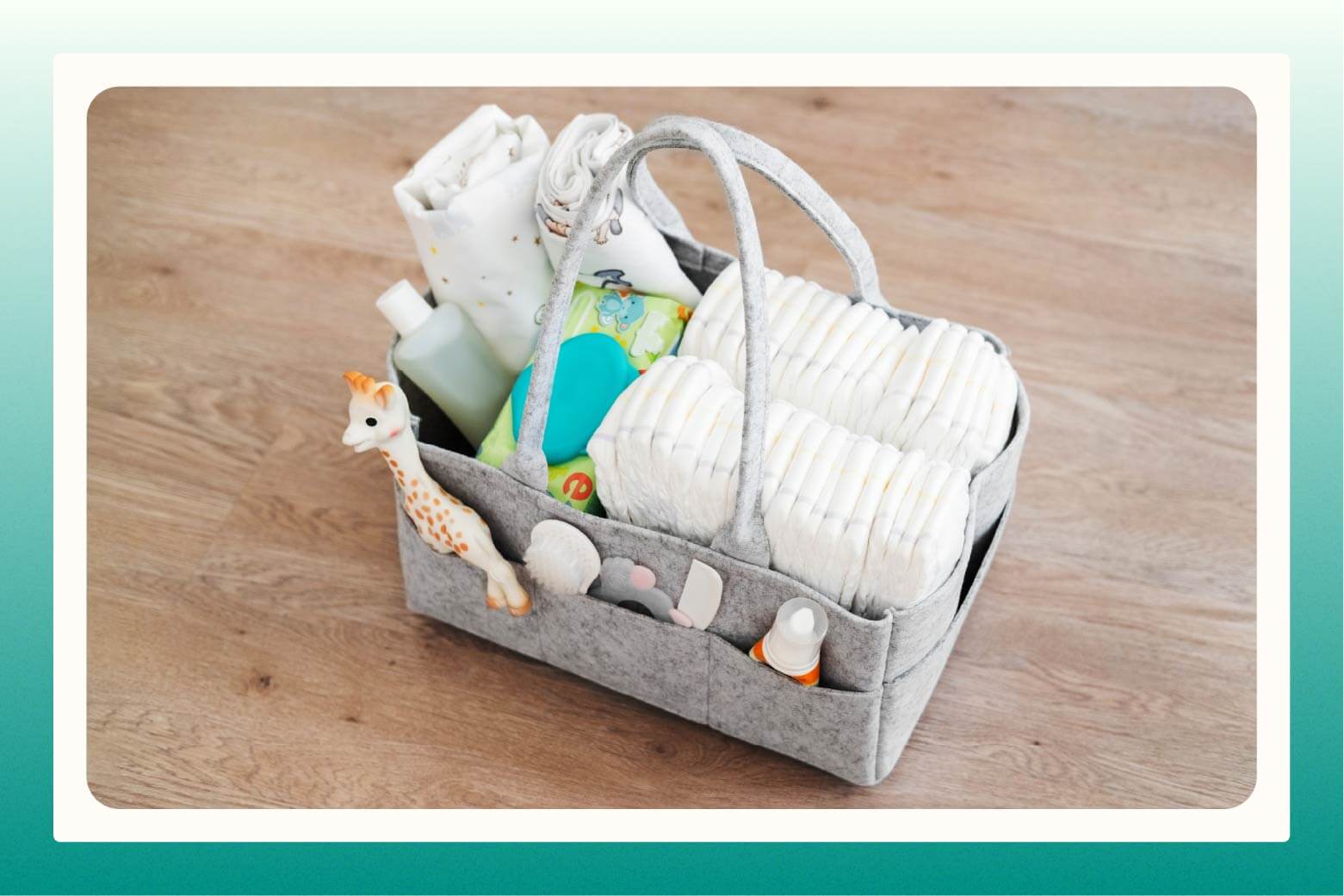
Baby product vendors and companies present their products to industry colleagues, investors, and consumers at baby fairs and expos. Many exhibitors offer free samples, product demos, and promotional items to attendees to entice them to spread the word about their products.
These events often feature giveaways and raffles where you can win free baby products or gift cards. Plus, there are often expert speakers and workshops providing valuable information on parenting and baby care, which can help you make informed decisions about the products you need.
Parenting magazines
Parenting magazines can help you get free baby stuff through featured promotions, coupons, and giveaways for various baby essentials. Many parenting magazines include advertisements or articles that offer free baby samples or exclusive deals.
Product testing
You can sign up to test baby products for certain companies. They will send you various baby items for you to try out, and then you share your feedback with them. Some companies to consider include Johnson & Johnson, Parent Tested Parent Approved, and Nieto Research.
Keeping an eye out for the best free baby stuff is a great opportunity for a soon-to-be parent to save money while preparing for their baby’s arrival. From baby registries to hospital help to family hand-me-downs, there are plenty of methods to consider. Don’t forget that the journey of parenthood is often filled with joy and excitement, and the support you receive through free baby stuff can lighten the financial load and add to your anticipation.
The post The Best Free Baby Stuff for 2025: Essential Resources for New Parents appeared first on Baby & Parenting Blog - Joy.
]]>The post How to Dress a Baby for Sleep: A Practical Guide for Parents appeared first on Baby & Parenting Blog - Joy.
]]>During the first few months of infancy, babies can’t regulate their body temperatures and can easily freeze or overheat. This vulnerability makes certain sleep attire and accessories potential health risks.
The key to keeping your baby safe and comfortable while asleep is choosing the best clothing options for their size and environment. In this guide, we’ll cover everything you need to know about how to dress your baby for sleep, as well as essential safety tips.
Best Room Temperature for a Sleeping Baby
Before selecting your baby’s sleepwear, first consider the room temperature. According to The Sleep Foundation, the recommended bedroom temperature for a sleeping baby is between 68 and 72 degrees Fahrenheit (20 to 22 degrees Celsius).
With this in mind, there isn’t a one-size-fits-all approach to sleeping spaces. All babies are unique, and the rooms of your home may feel different depending on where you live. A good rule of thumb is to assess the environment, asking yourself how you feel in the room and space. If you feel too hot or cold, your baby may also feel that way.
The ideal room temperature for your baby’s needs may change slightly as they age. Adjust the room temperature settings as needed to ensure your baby is comfortable.
How to Choose Sleepwear for Babies
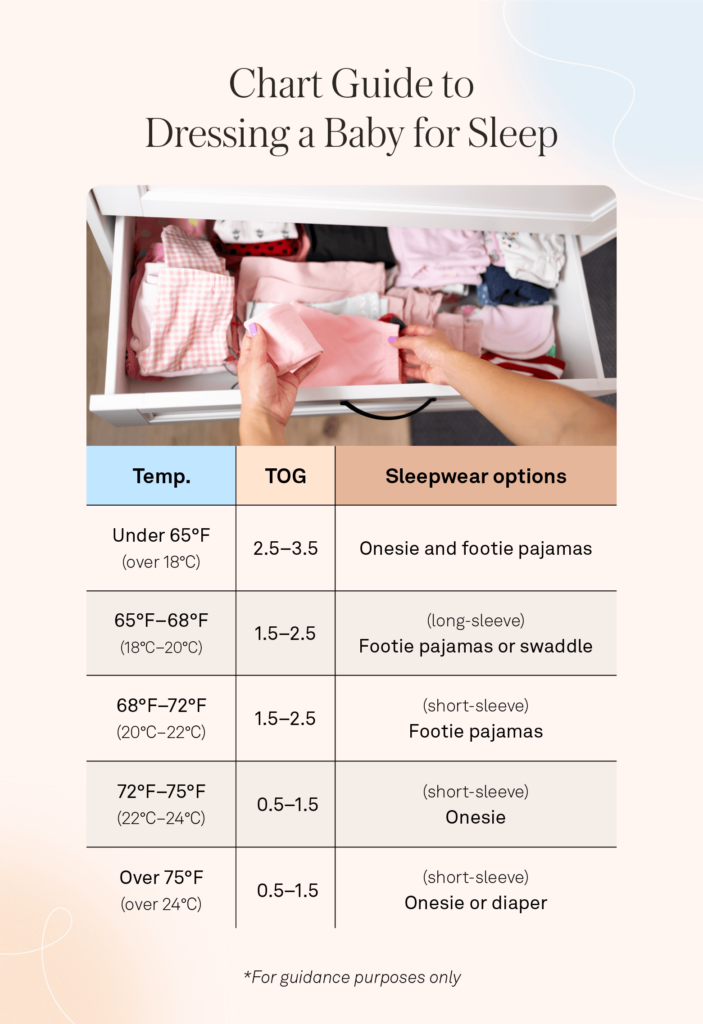
When it comes to clothing, what your baby wears to sleep will help protect their sensitive body. Most sleep attire for babies comes with a thermal overall grade or “TOG” rating, which is a unit of measurement that describes the insulation of a garment. For babies, the general TOG rating ranges from 0.5 to 3.5.
Knowing the TOG rating of sleepwear can help you choose the best clothing options for your baby throughout the seasons. In the chart guide below, you’ll find recommendations for baby sleepwear based on their TOG ratings:
Warm seasons
For warm or summer nights, opt for breathable, lightweight fabrics such as cotton that allow air circulation. Try to avoid blankets, and instead, dress your baby in short-sleeve onesies or swaddles with a 1.0 TOG rating or lower.
Cool seasons
As for winter or cooler nights, layering for warmth is ideal. Opt for footed pajamas or one-piece sleeper sacks with 2.5 TOG ratings or higher for added insulation. It’s still best to avoid loose blankets, prioritizing wearable blankets instead.
How to Know Your Sleeping Baby Is Comfortable
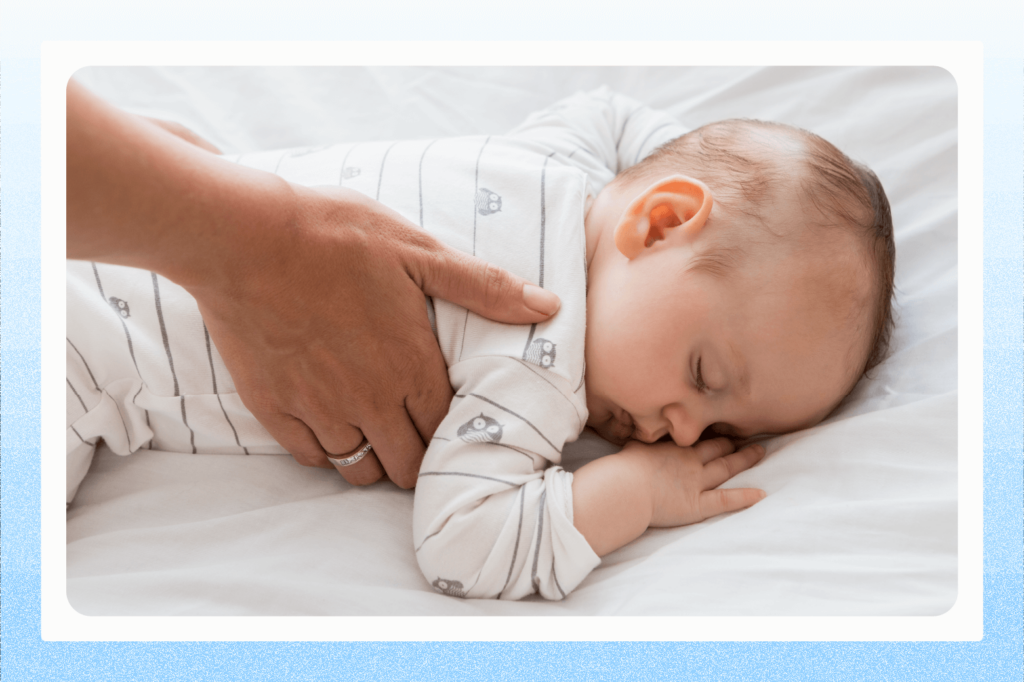
Until babies are more mature and mobile, parents have to closely monitor them while asleep, making sure they’re not too hot or cold. The following signs are common indications your baby is uncomfortable and may need clothing adjustments:
- Crying or fussiness
- Faster, heavier breathing
- Flushed cheeks
- Damp, sweaty hair or neck
- Cool to the touch (when too cold)
Be mindful of thick clothing material and blankets, which can cause accidental suffocation and overheating. Also, avoid clothing with loose strings and accessories, which can increase the risk of choking. These types of garments pose a risk to sleeping infants.
Dressing your baby with layers
Layering sleepwear can also make it easier to adjust to your sleeping baby’s needs. For example, if your baby starts to feel warmer or colder during the night, you can add or remove garments as needed. Pajamas with snap buttons or zippers offer easy accessibility and more convenient layer options.
Dressing your baby in layers can be just as helpful during the daytime, too. Infants typically sleep an average of 14 hours within a 24-hour period, so the room temperature will feel different throughout the day, just as it will at night.
Sleep Safety Tips for Babies
Practicing safe sleeping habits for your baby can help protect them from hazards such as overheating, choking, and suffocation, all of which can increase the risk of sudden infant death syndrome (SIDS). Minding the following factors will help keep your sleeping baby both safe and comfortable:
- Room temperature: Aim for 68℉ to 72℉ (20℃ to 22℃) and adjust your baby’s clothing or layers as needed.
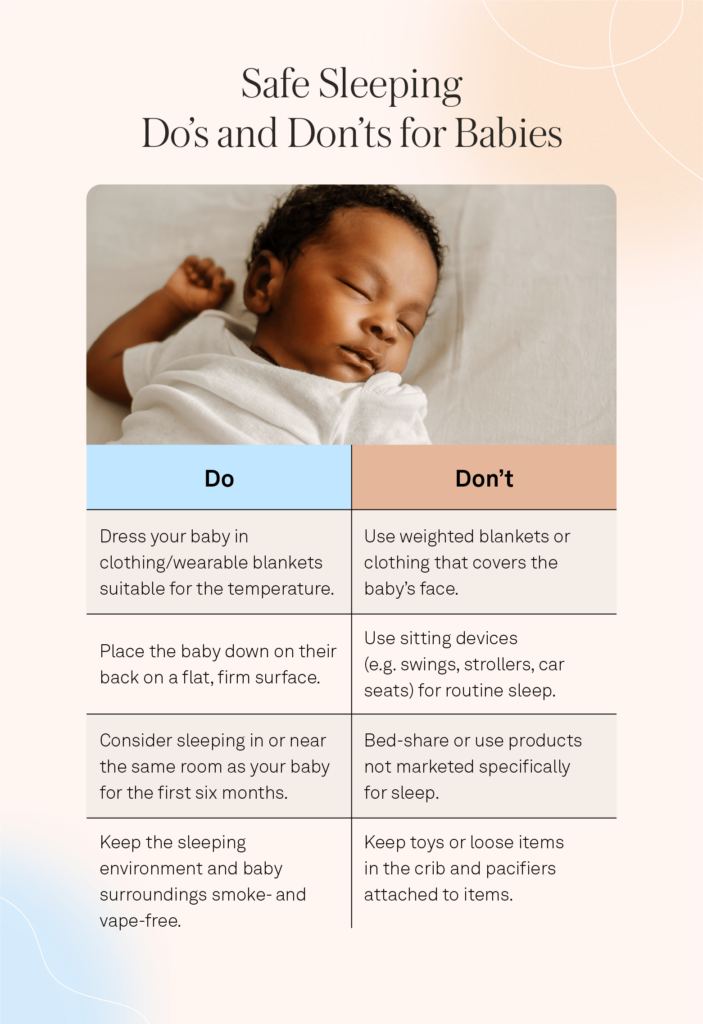
- Location: Have your baby sleep in a clutter-free crib or bassinet with a firm mattress in or near your bedroom for easy monitoring.
- Considerations: Place your baby to sleep on their back with no loose blankets or accessories for them to grab.
In addition to the tips above, we’ve created a chart rounding up the top sleep safety recommendations from the American Academy of Pediatrics (AAP) to reduce the risk of SIDs and other hazards.
FAQ on Dressing Babies for Sleep
Is it safe to swaddle a baby at night?
Swaddling — wrapping babies in swaddle garments for sleeping — is a safe sleeping option for newborns. When done correctly, swaddling can remind infants of the womb and help both calm and promote sleep. For optimal safety, only place a swaddled baby on their back for sleep. It’s recommended to stop swaddling once the baby can roll themself over.
How do I know if my baby is cold at night?
Babies that feel cold are more likely to cry and wake up frequently. They may also appear shivering, and their skin feels cold to the touch. An effective way to find out if your baby is cold or hot is to check their chest or back of their neck.
Can a baby sleep in just a onesie?
Yes, at and above room temperature, your baby may wear just a onesie if that makes them comfortable. However, it’s important to assess the room and dress your baby in an additional, lightweight layer that is easy to remove when needed.
Dressing a baby for sleep is one of many learning experiences for new parents. Remember, when it comes to proper sleep attire for babies, comfort and safety are what matter. And don’t rely on the thermostat alone — always assess the sleep environment first to ensure it’s comfortable for your baby.
Now that you know how to dress babies for sleep, adding options to your baby registry checklist will be a breeze. Use Joy’s Baby Registry to easily find and choose the best sleepwear from top-name brands you know and love.
The post How to Dress a Baby for Sleep: A Practical Guide for Parents appeared first on Baby & Parenting Blog - Joy.
]]>The post 50+ Gender-Neutral Nursery Ideas Perfect for Your Home appeared first on Baby & Parenting Blog - Joy.
]]>Whether you’re aiming for a cozy haven, a modern oasis, or a nature-inspired retreat, we’ve got you covered. Deciding on your nursery theme early makes it easier to add the perfect nursery touches to your baby registry. Let’s dive into these fantastic neutral nursery ideas that will not only charm your baby but also reflect your unique style and create lasting memories for years to come.
- 1. Black and White
- 2. Jungle Animals
- 3. Mountain Retreat
- 4. Bright Citrus
- 5. Among the Clouds
- 6. Geometric Greatness
- 7. Friendly Dinosaurs
- 8. A Natural Materials Vibe
- 9. Beach Fun
- 10. Rainbows
- 11. Disney-Inspired
- 12. Bird’s Nest
- 13. Warm Woods
- 14. Donut Love
- 15. Stars and Moons
- 16. Mid-Century Vibes
- 17. Counting Sheep
- 18. Outer Space
- 19. Country Farmhouse
- 20. Stripes
- 21. Celebrate Folk Art
- 22. Harry Potter-Inspired
- 23. Woodland Friends
- 24. Luscious Leaves
- 25. Dramatic Dark Statement Wall
- 26. Polka Dots
- 27. Sunshine
- 28. Puzzle Pieces
- 30. Under the Sea
- 31. Storytime
- 32. Soft Pastels
- 33. Hot Air Balloons
- 34. Teddy Bears
- 35. Scandinavian Chic
- 36. Buzzing Bees
- 37. World Traveler
- 38. Gorgeous Greens
- 39. For the Dog Lovers
- 40. Bright Pops of Color
- 41. Blending Textures
- 42. Whimsical Mural
- 43. Perfect Paisley
- 44. Winnie the Pooh
- 45. Classic Gray
- 46. Ceiling Surprise
- 47. Sesame Street
- 48. Vintage Games
- 49. Desert Cactus
- 50. Neutral Tones
- 51. Llama Love
- 52. Gold Accents
- 53. Alphabet Fun
- FAQ About Neutral Nurseries
1. Black and White
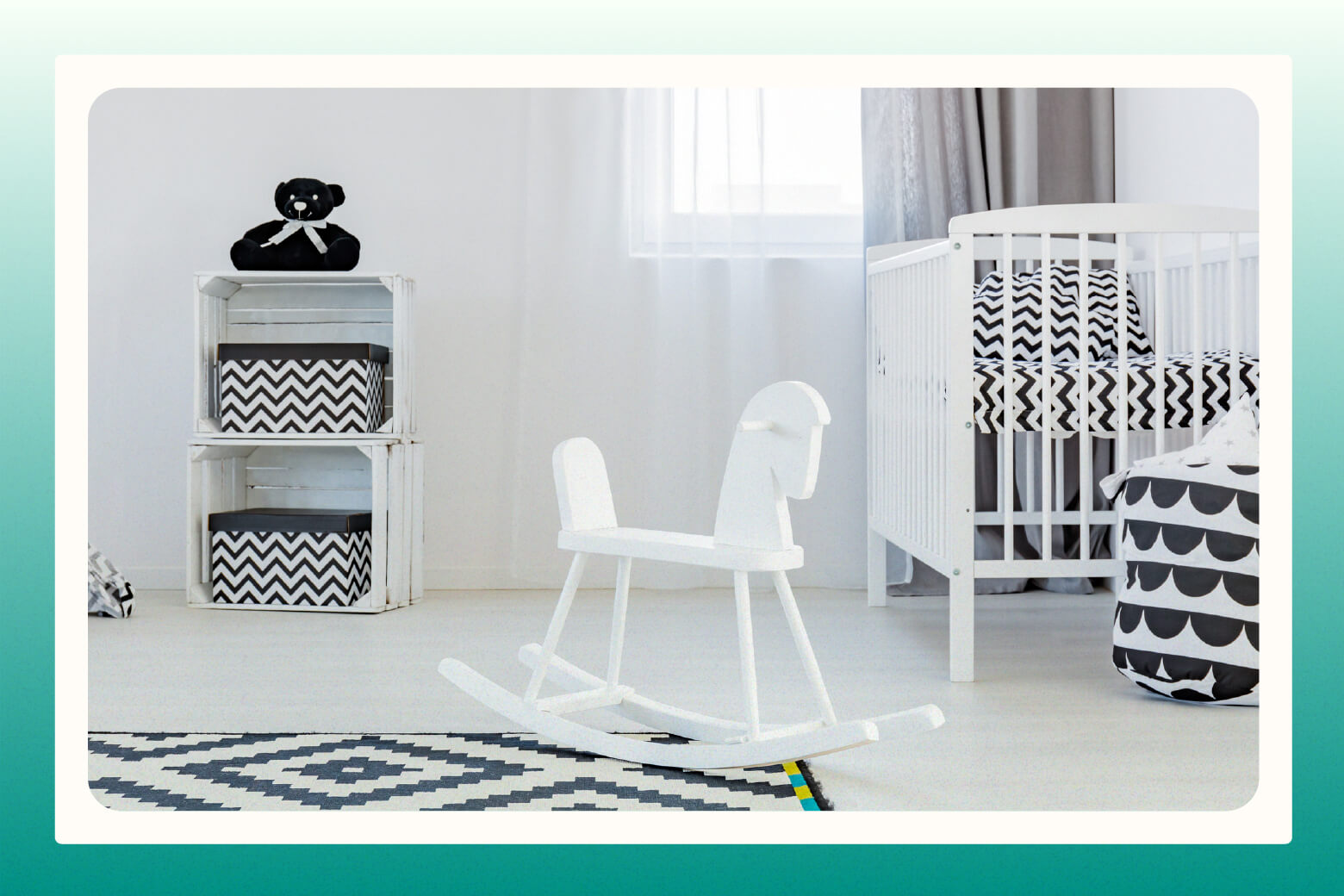
Go for a true classic with a black-and-white neutral nursery for your baby. This sophisticated and timeless color scheme exudes elegance. Go for a nursery that’s both stylish and versatile by incorporating monochrome bedding, striped wall decals, and black-and-white animal prints.
2. Jungle Animals
Embark on a wild jungle adventure with colorful jungle animals and exotic botanicals in your baby’s nursery. Fill the room with colorful jungle animal prints, lush greenery, and playful wall decals featuring friendly lions, giraffes, and elephants, transforming the nursery into a lively and fun space that sparks curiosity.
3. Mountain Retreat
Embrace the beauty of nature with a subtle outdoorsy feel in your baby’s mountain-themed nursery. Incorporate earthy tones, snow-capped mountain wall decals, and woodland-inspired decor to evoke a sense of natural serenity, bringing the beauty of the mountains indoors.
4. Bright Citrus
Infuse your baby’s gender-neutral nursery with the vibrant hues of colorful citrus fruit like oranges and lemons. This cheerful and lively theme adds a burst of positivity. Choose bright yellow accents, fruity wall decals, and fun patterned bedding to create a sunny and refreshing atmosphere that brings joy to the nursery.
5. Among the Clouds
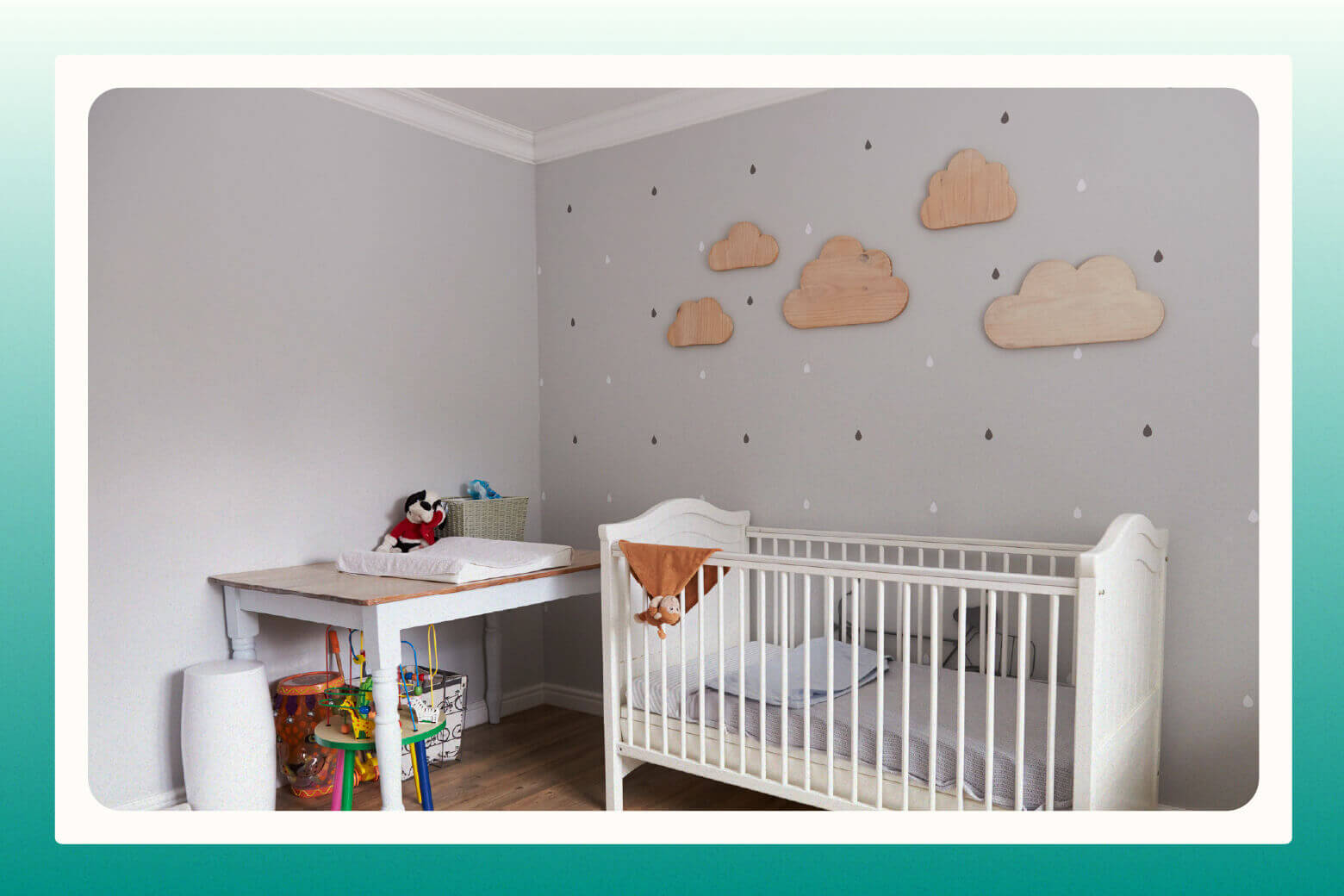
Create a serene and whimsical atmosphere for your baby’s gender-neutral nursery with cloud-themed decor like a cloud mobile over the crib and dreamy artwork. Floating among the clouds in a room filled with pastel blue and white tones, your little one will experience a sense of calm and wonder, and hopefully, you will, too.
6. Geometric Greatness
Transform your baby’s nursery with the dynamic appeal of different geometric shapes and lines. This modern, artistic theme adds a touch of contemporary edge. Use bold geometric patterned textiles, modern wall art, and angular furniture to make the nursery a visually intriguing space.
7. Friendly Dinosaurs
Bring friendly dinosaurs to life in a happy gender-neutral dinosaur nursery for your baby. Parents can create a prehistoric wonderland that fuels their baby’s sense of adventure. Decorate with dinosaur wall decals, dinosaur plush toys, and earthy tones for a nursery that sparks imagination.
8. A Natural Materials Vibe
Opt for a neutral boho chic nursery with natural materials incorporated into decorations and furniture. Use a rattan crib, macrame wall hangings, and earthy colors to create a cozy and inviting space with a touch of bohemian elegance. This rustic and cozy theme also brings a sense of tranquility.
9. Beach Fun
Capture the bright colors and fun of the beach in your baby’s nursery. Use coastal-inspired decor such as sea-themed wall art or a colorful beach ball mobile to evoke the playful spirit of the shore.
10. Rainbows
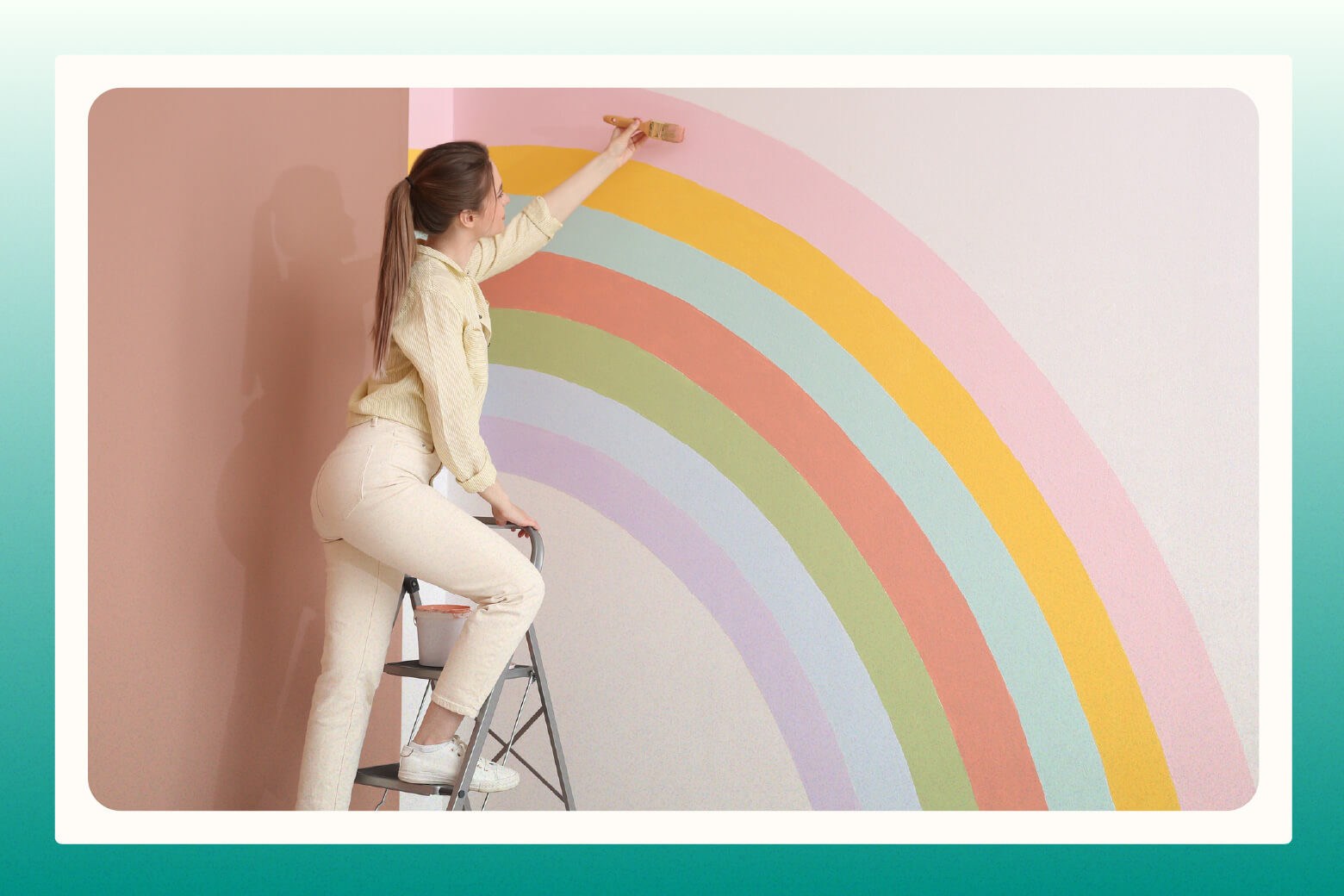
Create a bright and cheery atmosphere for your baby’s gender-neutral nursery with a colorful rainbow theme. Use rainbow-inspired decor, multicolored textiles, and a mix of vibrant hues to create an uplifting atmosphere that radiates happiness and positivity.
11. Disney-Inspired
Transform your baby’s nursery into a magical haven by incorporating fun Disney characters. From beloved classics to modern favorites, gender-neutral Disney nursery themes bring enchantment and nostalgia. A few popular choices include Mickey and Minnie, Dumbo, 101 Dalmatians, and Peter Pan.
12. Bird’s Nest
Create a soothing and natural ambiance in your baby’s nursery with a tree theme adorned with birds and baby bird nests. Hang delicate bird mobiles, adorn the walls with tree mural decals, and accessorize with bird-shaped decor to bring a touch of nature’s beauty indoors.
13. Warm Woods
Put together a warm and inviting neutral nursery by incorporating wood elements in both the decor and furniture. Choose a wooden crib, rustic shelves, or a wooden rocking chair to bring a touch of natural charm to the room. Balance the wood tones with other neutral colors or go bold with a contrasting color to make the wood pieces pop.
14. Donut Love
Infuse a cheerful and bright atmosphere into your nursery with a theme of colorful donuts. This fun and quirky option adds a burst of happiness, encouraging parents to create a playful and delightful environment for their baby. Add vibrant donut-shaped pillows, sweet donut wall art, and sprinkle-patterned bedding for a whimsical nursery that brings smiles.
15. Stars and Moons
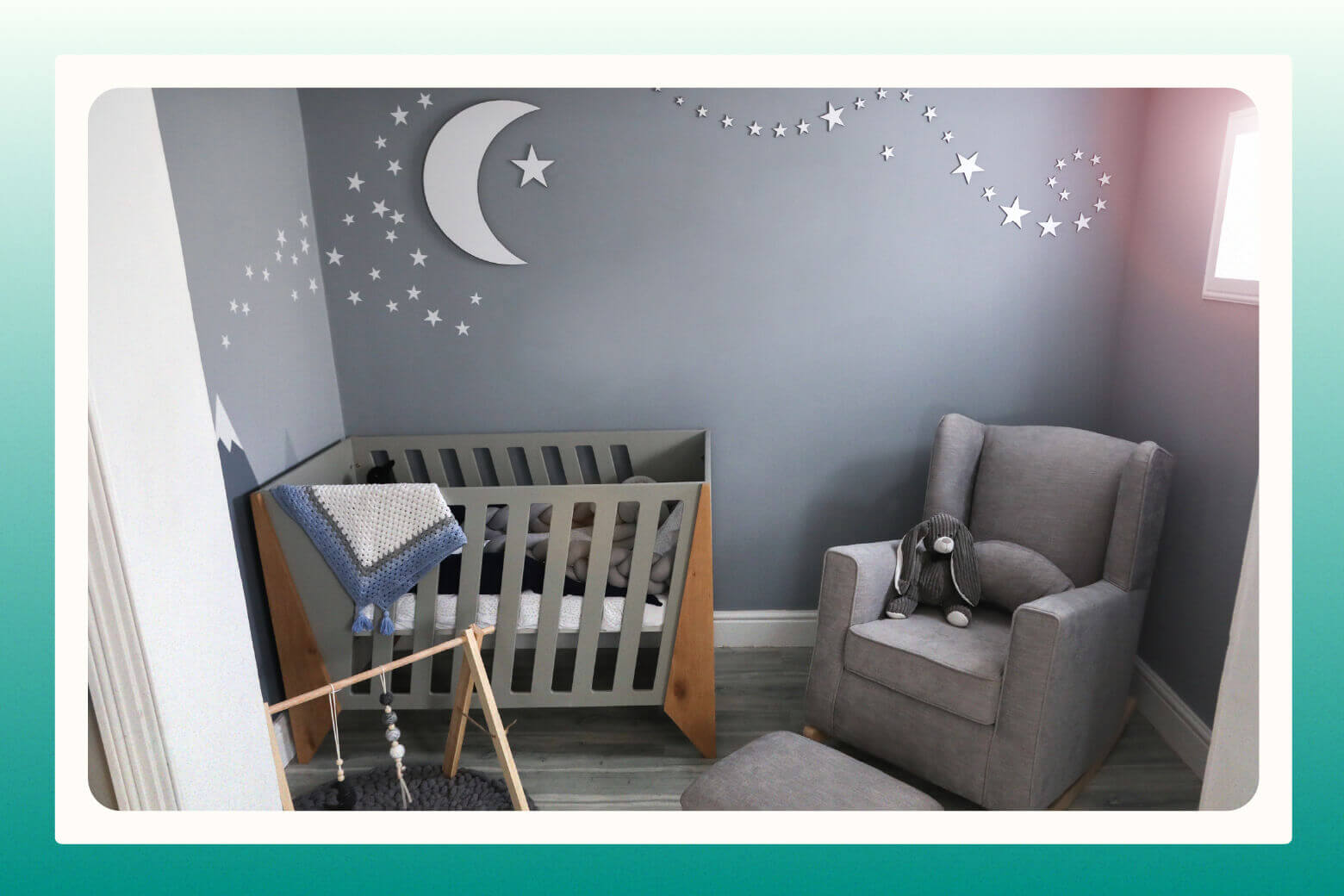
Bring the night sky to your baby’s gender-neutral nursery theme by filling their space with stars and moons. Parents can create a space where their little one can drift off to sleep under the soft glow of imaginary stars. Hang twinkling star mobiles, add moon-shaped wall decals, and use soothing navy and silver tones to create a tranquil and magical space.
16. Mid-Century Vibes
Add some classic style to your baby’s gender-neutral nursery with a mid-century modern aesthetic. Choose iconic mid-century furniture, add geometric-patterned textiles, and opt for a timeless color palette for a nursery that combines sophistication and nostalgia.
17. Counting Sheep
Soft and fluffy sheep make for a soothing theme for a baby’s nursery. It’s a tranquil and gentle theme that creates a sense of comfort for everyone who enters and where your baby can peacefully rest and dream. Consider a sweet lamb crib mobile or a plush sheep-shaped nursery rocker, either of which makes for a great baby shower gift idea!
18. Outer Space
Add a celestial feel to your baby’s nursery with an outer space theme filled with planets, stars, rocket ships, astronauts, and maybe an alien or two. Spark curiosity with this adventurous theme by creating a nursery that’s out of this world. Hang celestial mobiles, decorate with planet and star decals, and use deep blue and silver tones to inspire a sense of cosmic exploration.
19. Country Farmhouse
Use classic farmhouse features like farm animals and countryside greenery to create your little one’s nursery. Incorporate farm animal prints and rustic wooden furniture for a timeless and inviting nursery space. It’s a rustic and charming theme that delivers a sense of warmth and coziness.
20. Stripes
Add dimension and style to your baby’s gender-neutral nursery with bold stripes in a strong color. Choose a vibrant hue like navy or teal for accent walls, striped crib bedding, and striped curtain panels for a chic, eye-catching look. This dynamic design choice creates a nursery that’s visually striking and full of character — a space that truly stands out.
21. Celebrate Folk Art
Pay homage to cultural traditions with bright colors and traditional artwork. Consider adding a vibrant tapestry, folk art prints, or cultural textiles to personalize your baby’s nursery in a unique and meaningful way.
22. Harry Potter-Inspired
If you love Harry Potter, try a wizard theme to decorate your baby’s nursery. This magical and imaginative theme transports parents and baby to the world of spells and magic. Use Hogwarts-inspired wall art, wizard hat mobiles, and mystical color schemes to create an enchanting space.
23. Woodland Friends
Pull the magic of the forest into your baby’s nursery with a woodland animal theme. Feature soft and cuddly woodland animal plush toys, earthy tones, tree-themed wall decals, and red-capped mushroom decor to create a cute and cuddly concept that celebrates the beauty of nature.
24. Luscious Leaves
Bring the beauty of nature indoors with a gender-neutral nursery adorned in rich green leaf designs. Incorporate plant life, leaf-printed wall decals, or botanical-themed bedding to create a fresh and natural ambiance.
25. Dramatic Dark Statement Wall
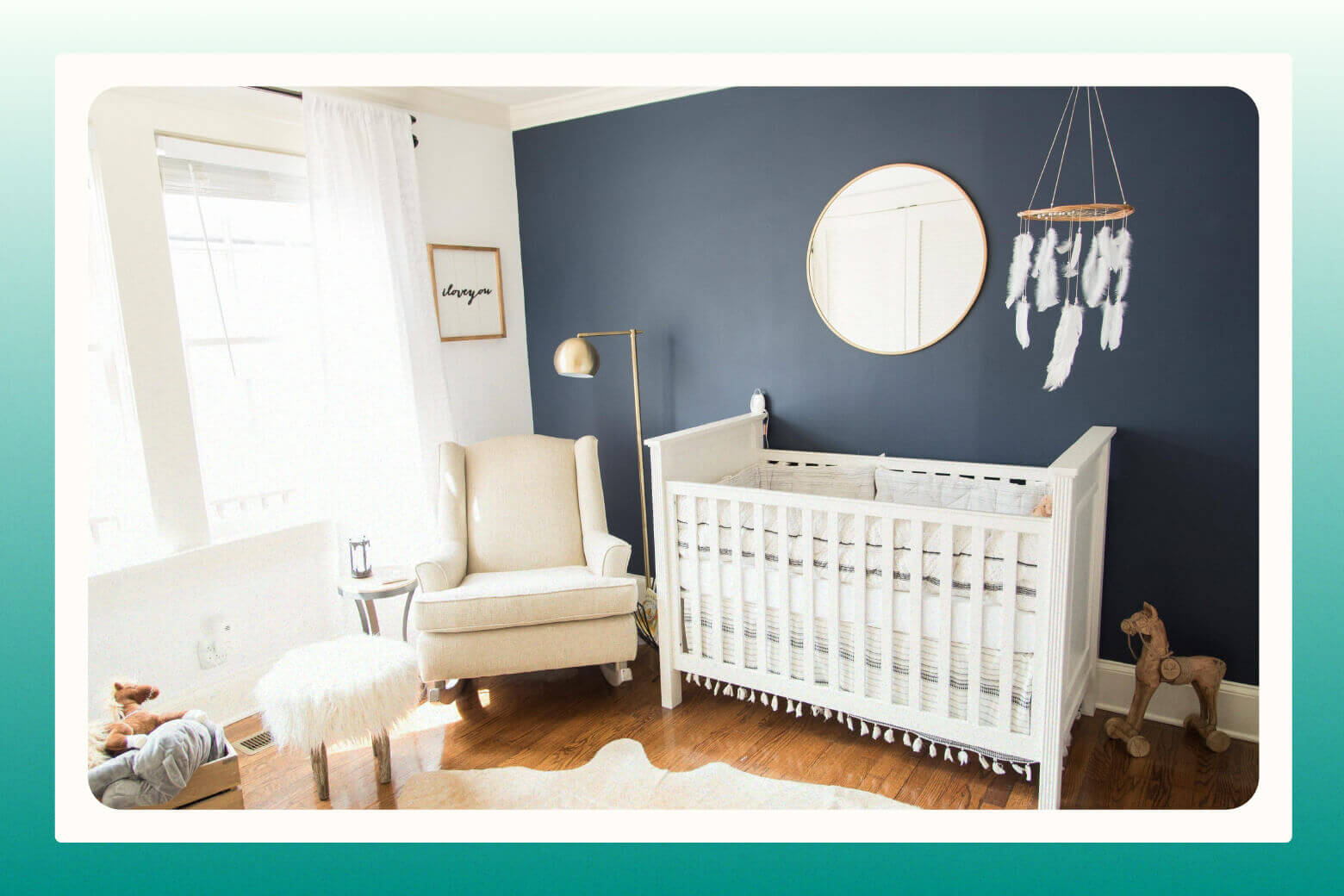
Pick a bold color like navy or black to create a dark statement wall for your gender-neutral nursery. This dramatic and stylish choice adds depth, encouraging parents to design a nursery that’s bold and impactful — a space that reflects their unique style. Choose light-colored furniture to stand out against the dark wall, or go for a dark crib to create a monochromatic look.
26. Polka Dots
Colorful polka dots can bring style to your baby’s gender-neutral nursery. They’re a playful and vibrant choice that adds a sense of joy to any space. Use polka dot decals, bedding, and decor in a variety of colors to bring a chic and fun pattern to the nursery’s design.
27. Sunshine
Infuse your baby’s room with vibrant energy using bright pops of yellow, reminiscent of the sun’s warm embrace. Consider adding a sunburst mirror or a cheerful sun-shaped wall decal to bring this joyful neutral theme to life.
28. Puzzle Pieces
Use an all-white color scheme to create a sense of minimalism and serenity for your baby’s space. Use white furniture, crisp white bedding, and delicate white decor to achieve a clean, tranquil environment that radiates simplicity and elegance.
30. Under the Sea
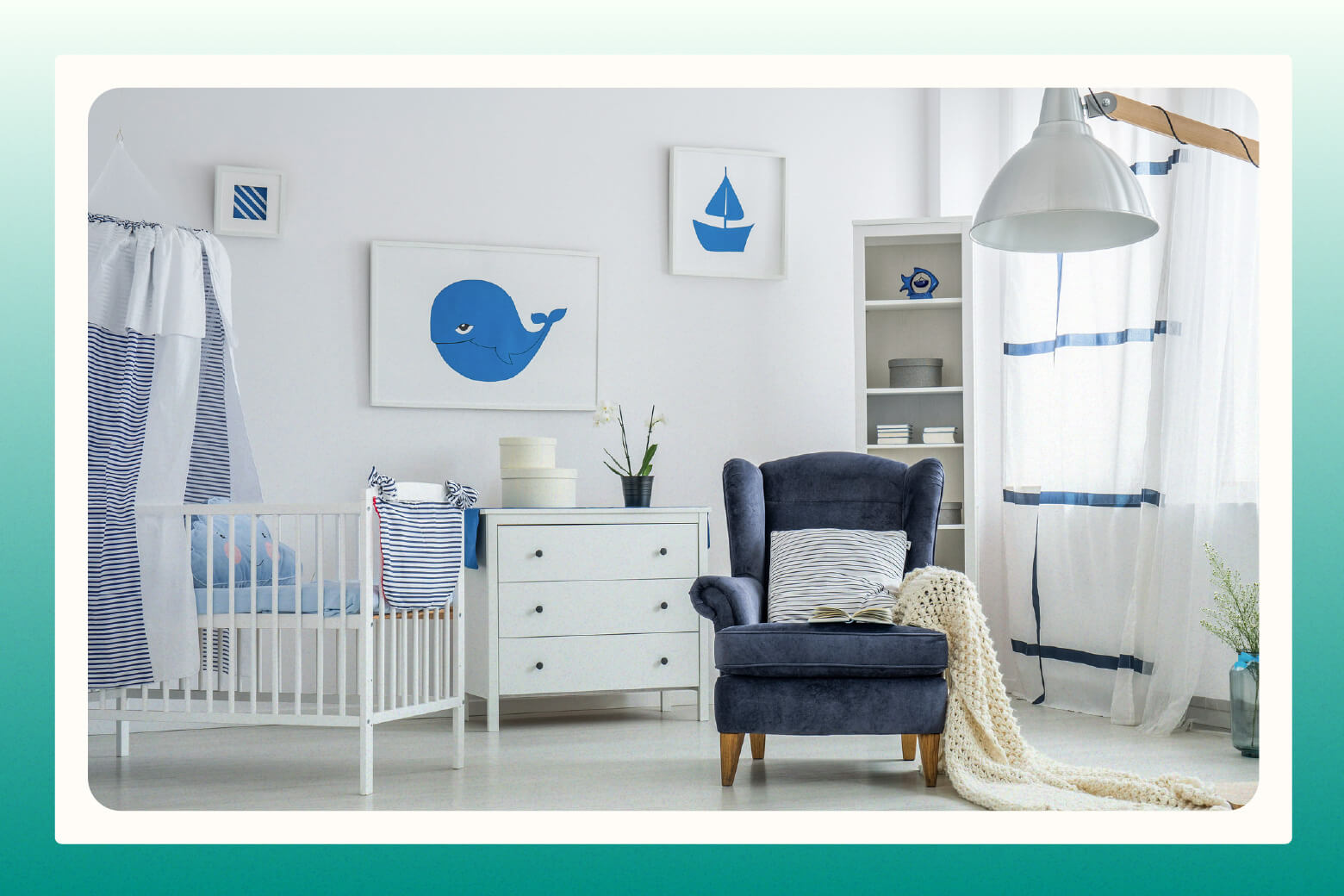
Dive into the fun of aquatic animals and other sea life in your baby’s nursery. You can design a nursery that immerses your baby in a world of colorful marine wonders through this underwater adventure theme. Add aquatic animal wall decals, sea creature mobiles, and ocean blue accents to create a playful and vibrant marine-themed environment perfect for exploration.
31. Storytime
Bring your favorite children’s books to life by highlighting them in a charming storybook-themed nursery. Display bookshelves filled with beloved classics and incorporate whimsical book-themed decor for a space that sparks imagination.
32. Soft Pastels
Use a soft pastel color palette to create a soothing and relaxing energy in your baby’s nursery. Pastel-hued blankets, curtains, and wall art will help develop a gentle and tranquil atmosphere for your child’s early years.
33. Hot Air Balloons
Add a sense of adventure and brightness to your baby’s nursery with colorful hot air balloon decor. Hang a fun mobile of whimsical hot air balloons from the ceiling or incorporate balloon-themed decals on a cloud-filled wall for a playful touch.
34. Teddy Bears
Comforting teddy bears are a great inspiration for a neutral nursery. These cuddly cuties offer a feeling of security, leading to a nursery filled with love and softness. Incorporate teddy bear-themed bedding, plush toys, and soft beige tones to create a nurturing and inviting nursery.
35. Scandinavian Chic
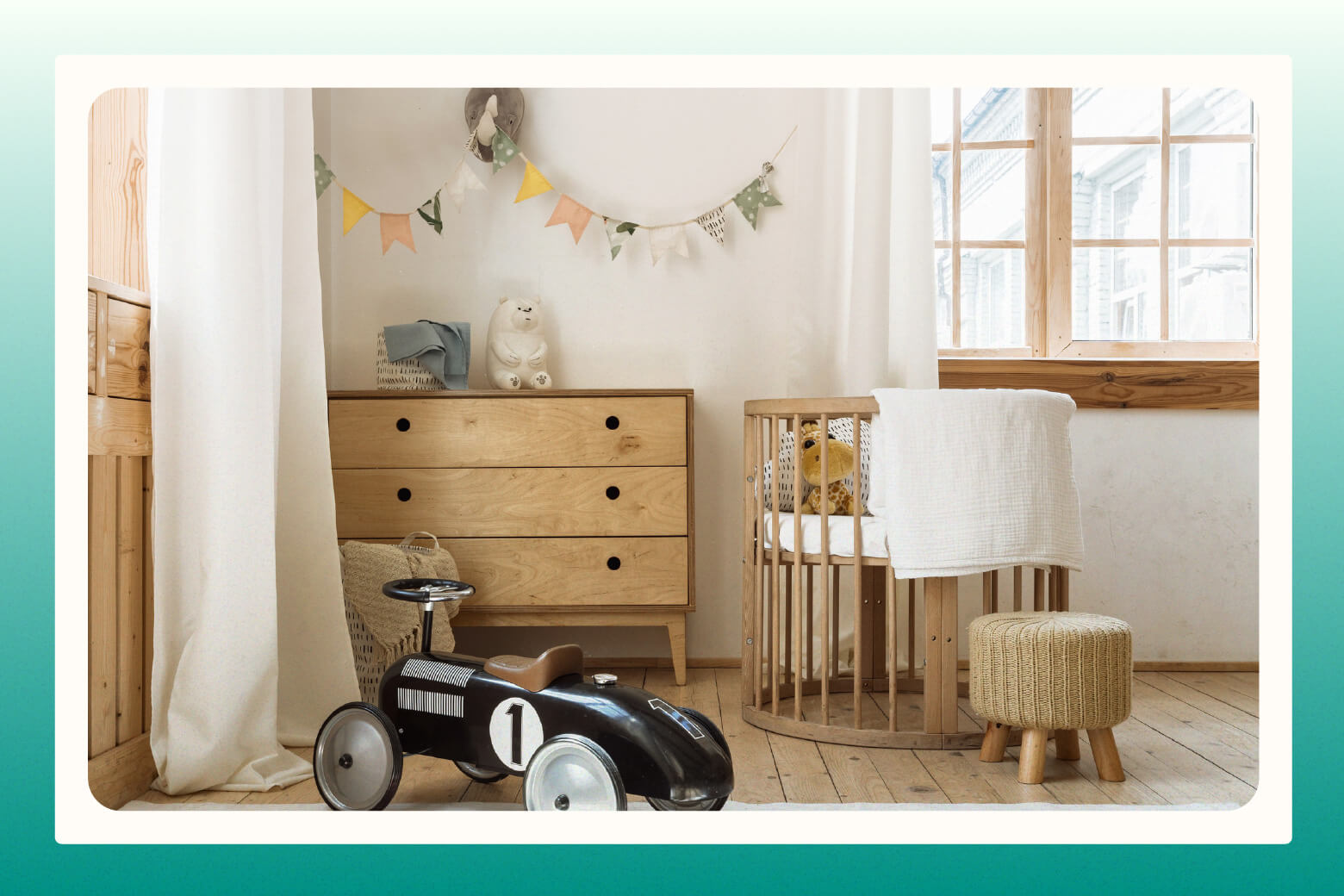
Draw inspiration from the sleek and minimalist aesthetic of Scandinavian interior design for your baby’s nursery. Choose clean-lined furniture, soft textiles, and a monochromatic color palette to create a modern and cozy environment for your little one.
36. Buzzing Bees
Brighten up your gender-neutral nursery with the delightful shapes of bumblebees and honeycombs. Incorporate bee-themed wall art or honeycomb-patterned bookcases for a unique and cheerful touch. You can use bold yellow, black, and white colors or opt for a more pastel palette of the same colors to achieve a softer look.
37. World Traveler
Embark on an imaginative journey with your baby in a travel-themed nursery. Decorate the room with world map prints, vintage suitcases, and travel-inspired artwork to inspire a sense of adventure.
38. Gorgeous Greens
Explore the versatility of the color green as a starting point for your gender-neutral nursery. Experiment with different shades, from mint to forest green, in wall paint, bedding, and decor to create a harmonious and nature-inspired space.
39. For the Dog Lovers
Celebrate the joy of your beloved pets by going with a dog-themed nursery. Add dog-shaped pillows, playful puppy prints, and paw-print decor to create a heartwarming and pet-friendly atmosphere. Don’t forget the dog bed for your fur children, too!
40. Bright Pops of Color
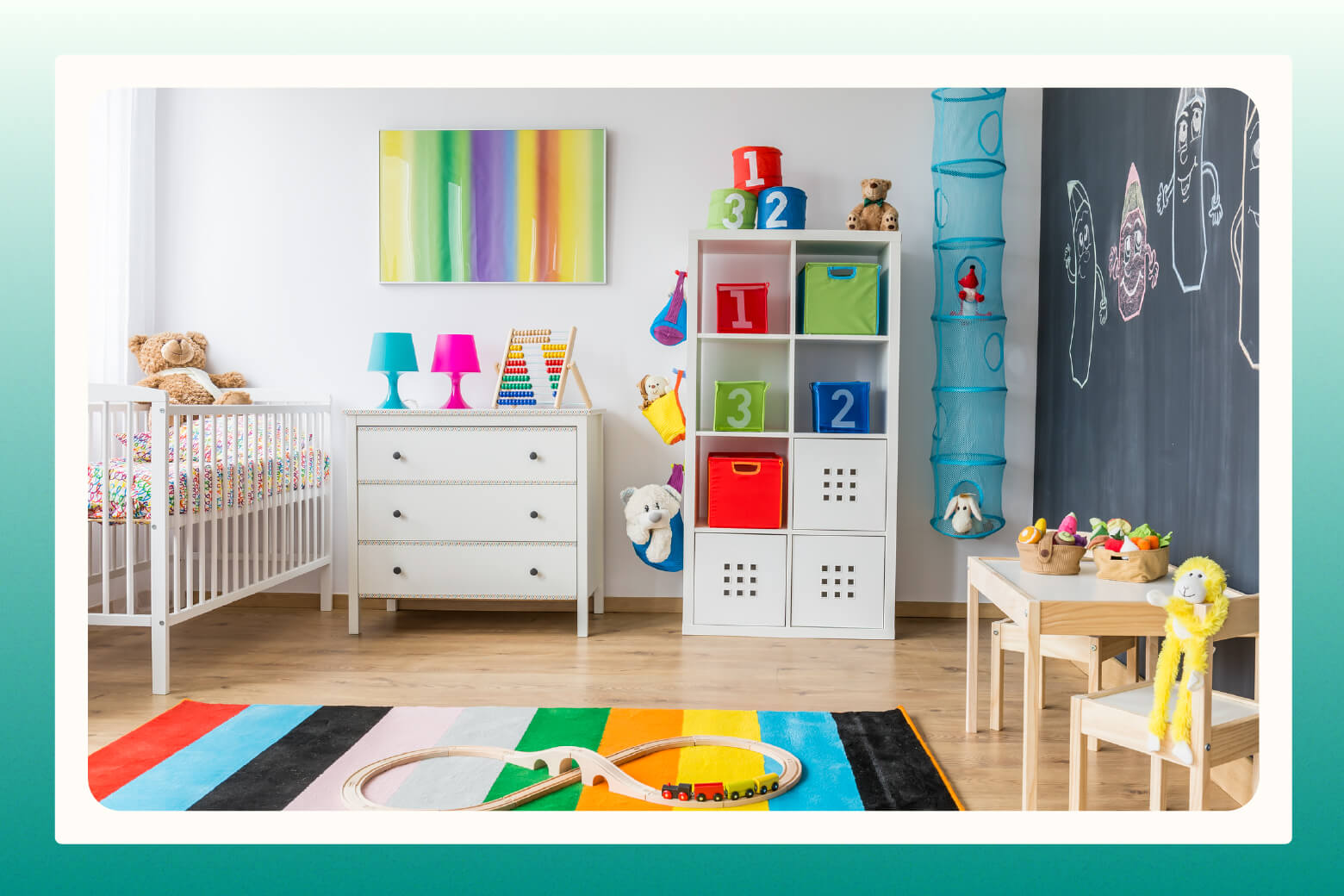
Use vibrant pops of bright colors to create a nursery bursting with happiness and positivity. Experiment with bold color combinations in wall paint, colorful bedding, and playful decor. You can design a nursery that’s lively and energetic, resulting in a joyful space where your baby can thrive.
41. Blending Textures
Create a tactile wonderland in your baby’s nursery by mixing material textures. Combine soft and fluffy textiles, plush rugs, wood accents, and smooth surfaces to create a sensory-rich environment that stimulates touch and exploration, making the nursery a cozy and engaging space.
42. Whimsical Mural
Elevate your nursery with a touch of artistic whimsy by creating a captivating mural that spans across one or more walls. Bring to life a playful world of imaginative characters, colorful landscapes, or dreamy scenes, turning the nursery into a mesmerizing canvas that sparks your baby’s creativity.
43. Perfect Paisley
Add a classic touch to your baby’s nursery with elegant paisley patterns. Choose paisley-printed textiles, subtle paisley wall decals, and soft neutral tones to create a timeless, sophisticated atmosphere that radiates understated charm and style.
44. Winnie the Pooh
Embrace the beloved characters from Winnie the Pooh to inspire a heartwarming gender-neutral nursery. Use Winnie the Pooh-themed decor, character wall decals, and gentle pastel colors to create a cozy and nostalgic space that brings the magic of the Hundred Acre Wood to life.
45. Classic Gray
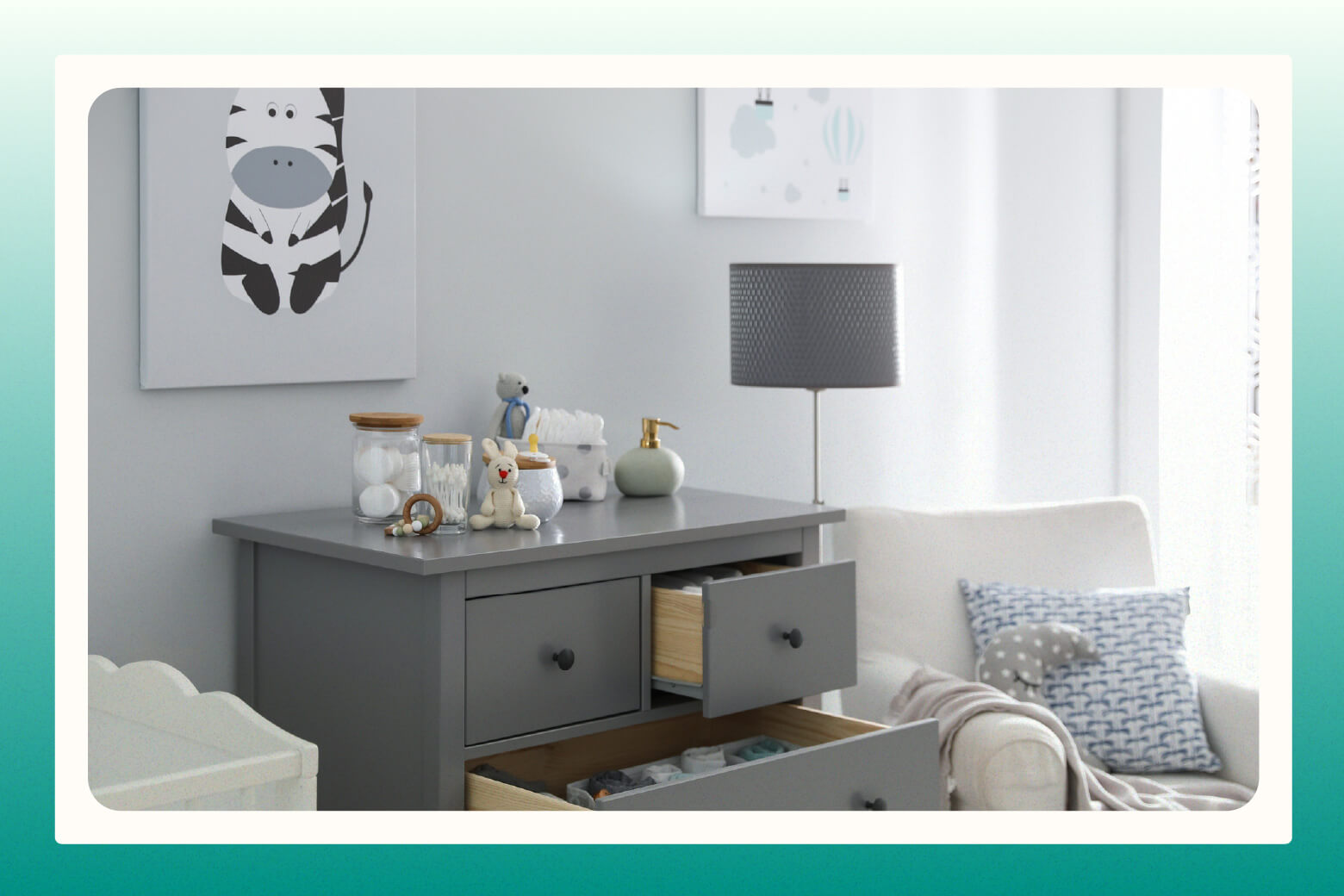
Discover the elegance of classic soothing colors with gray neutral nursery ideas. Use soft gray bedding, textured rugs, and silver accents for a timeless and sophisticated nursery that radiates peace and tranquility, providing a stylish backdrop for your baby’s first moments.
46. Ceiling Surprise
Create a dramatic moment in your baby’s gender-neutral nursery by focusing on the often-overlooked ceiling. Paint or wallpaper the ceiling with whimsical patterns, starry skies, or dreamy clouds, adding a unique and enchanting element to the nursery’s design.
47. Sesame Street
Bring the beloved characters from Sesame Street to life in your baby’s nursery. Feature Sesame Street-themed wall decals, cheerful colors, and playful decor inspired by Elmo, Big Bird, and the gang to create a joyful and educational environment that can grow with your little one.
48. Vintage Games
Use beloved classic board games like Candyland and checkers as fun and nostalgic inspiration for your gender-neutral nursery. Incorporate colorful game-themed decor, playful wall art, and vibrant hues to create a lively and cheerful space that sparks joy and a sense of playfulness.
49. Desert Cactus
Transform your baby’s nursery into a desert-inspired haven with a charming cactus theme. Decorate with adorable cactus-shaped pillows, desert-toned bedding, and earthy color accents to capture the serene beauty of the desert landscape, creating a cozy and unique gender-neutral oasis.
50. Neutral Tones
Create a calming oasis for your baby with soothing neutral tones of cream or beige. You can add a touch of elegance with a cream-colored crib and cozy beige textiles, fostering a serene, timeless atmosphere.
51. Llama Love
Embrace the quirky and cute llama as the central theme for your little one’s neutral nursery. Use llama-patterned textiles, llama wall art, and pastel colors to create a playful and vibrant llama-inspired space that brings a smile to everyone’s face.
52. Gold Accents
Infuse an air of timeless elegance into your baby’s nursery with gold accents, which complement neutral tones. This luxurious touch adds a sophisticated charm to the space. Incorporate gold elements such as metallic-framed artwork, gilded mirrors, and decorative details on crib bedding and lampshades.
53. Alphabet Fun
Inspire learning and creativity in your baby’s gender-neutral nursery with a colorful take on the ABCs. Use vibrant alphabet-themed decor, educational wall art, and a rainbow of colors to create a cheerful and lively environment that encourages early exploration and discovery.
From the soothing serenity of soft pastels to the vibrant energy of cheerful rainbows, there’s a gender-neutral nursery idea on this list to suit every family’s unique style. The key is to let your creativity shine while keeping the comfort and happiness of your baby in mind.
FAQ About Neutral Nurseries
How can I decorate my nursery without knowing my baby’s gender?
By choosing versatile colors, such as soothing pastels or calming neutrals, you can create a warm and welcoming space. Incorporating timeless themes like nature, animals, or even playful patterns ensures a nursery that’s perfect for any baby. Don’t forget to add personalized touches like family photos or artwork to make it uniquely yours.
What are the best gender-neutral nursery colors?
Soft pastels like soothing mint, gentle lavender, or pale yellow create a calming atmosphere. Neutrals such as warm grays, soft beiges, or creamy whites provide a serene backdrop that you can easily accent with playful decor. Earthy tones like gentle greens or subtle blues evoke a natural and inviting feel. Ultimately, think about timeless and versatile options that work for both boys and girls.
Does gender-neutral mean no color in the nursery?
Gender-neutral doesn’t mean sacrificing color in the nursery! In fact, it’s all about embracing a broader palette that suits all genders. You can definitely incorporate hues like soft yellows, soothing greens, or gentle grays. It’s about finding the right balance, using colors that create a warm, inviting, and versatile space for your baby.
Should I not use blue or pink in a gender-neutral nursery?
You can absolutely use blue or pink in a gender-neutral nursery, especially if you love those colors! The key is to balance them with other neutral shades and complementary tones to create a harmonious and inclusive space. When combined with whites, grays, or other earthy tones, soft pastel blues or pinks can add a lovely touch to a gender-neutral nursery. It’s all about personal preference and creating a cozy, welcoming environment that resonates with you and your baby.
The post 50+ Gender-Neutral Nursery Ideas Perfect for Your Home appeared first on Baby & Parenting Blog - Joy.
]]>The post How Many Newborn Diapers Do I Need? A Guide for Parents appeared first on Baby & Parenting Blog - Joy.
]]>On average, most newborns go through about 8-12 diapers per day during their first few months. That translates to at least 70-84 disposable diapers per week. Keep in mind that babies grow quickly, so you may want to keep a mix of newborn and size 1 diapers on hand to accommodate their changing needs as they grow.
Let’s look a little closer at common newborn diaper details that can help make planning for your baby’s arrival a bit easier.
How Many Diapers a Baby Really Needs
| Average Diaper Usage | |
| Baby’s age | Total # of diapers per day |
| 0-3 months | 8-12 |
| 3-6 months | 6-8 |
| 6+ months | 4-6 |
Understanding how many diapers your baby will need at different stages is essential for budget planning and smooth diapering. For a more comprehensive picture, let’s break down the estimated total quantity of diapers you will need by timeframes:
- 0-3 months = 720-1,080 diapers
- 3-6months = 540-720 diapers
- 6 months and older = 360-540 diapers
Your baby may go through a total of 1,620-2,340 disposable diapers in their first year. That’s a lot of poopy diapers and baby wipes! Keep in mind that these are rough estimates, and every baby’s needs can vary.
How the Cost of Diapers Adds Up
Considering the number of diapers newborns go through during their first months, the monthly cost can be roughly $48 to $144 for disposable diapers. Cloth diapers are a much more cost-effective option in the long run, despite an initial higher investment. A set of cloth diapers, including inserts and covers, can cost between $300 and $600, depending on the brand and style. The annual cost of cloth diapers, including washing, can range from $150 to $300 after you’ve purchased your initial set.
| Average Cost of Diapers | |
| Type of diaper | Estimated costs for 1 year |
| Disposable | $576-$1,728 |
| Cloth | $150-$300 |
When comparing the two options, disposable diapers can cost new parents a lot more than cloth ones. But the cloth option requires more washing and maintenance in comparison to the ease and simplicity of disposable diapers. Keep in mind that these numbers can also vary based on individual circumstances and diaper brands.
What if I can’t afford all these diapers?
If these costs seem overly prohibitive for your budget, look for a local resource from the National Diaper Bank Network or explore other strategies for finding free diapers and other baby items.
You might also consider signing up for a baby registry with a variety of diaper brands and sizes to receive diapers as gifts from your friends and family — it’s a fun and practical way to stock up on this essential item!
Diaper Sizing and Shapes… Oh My!
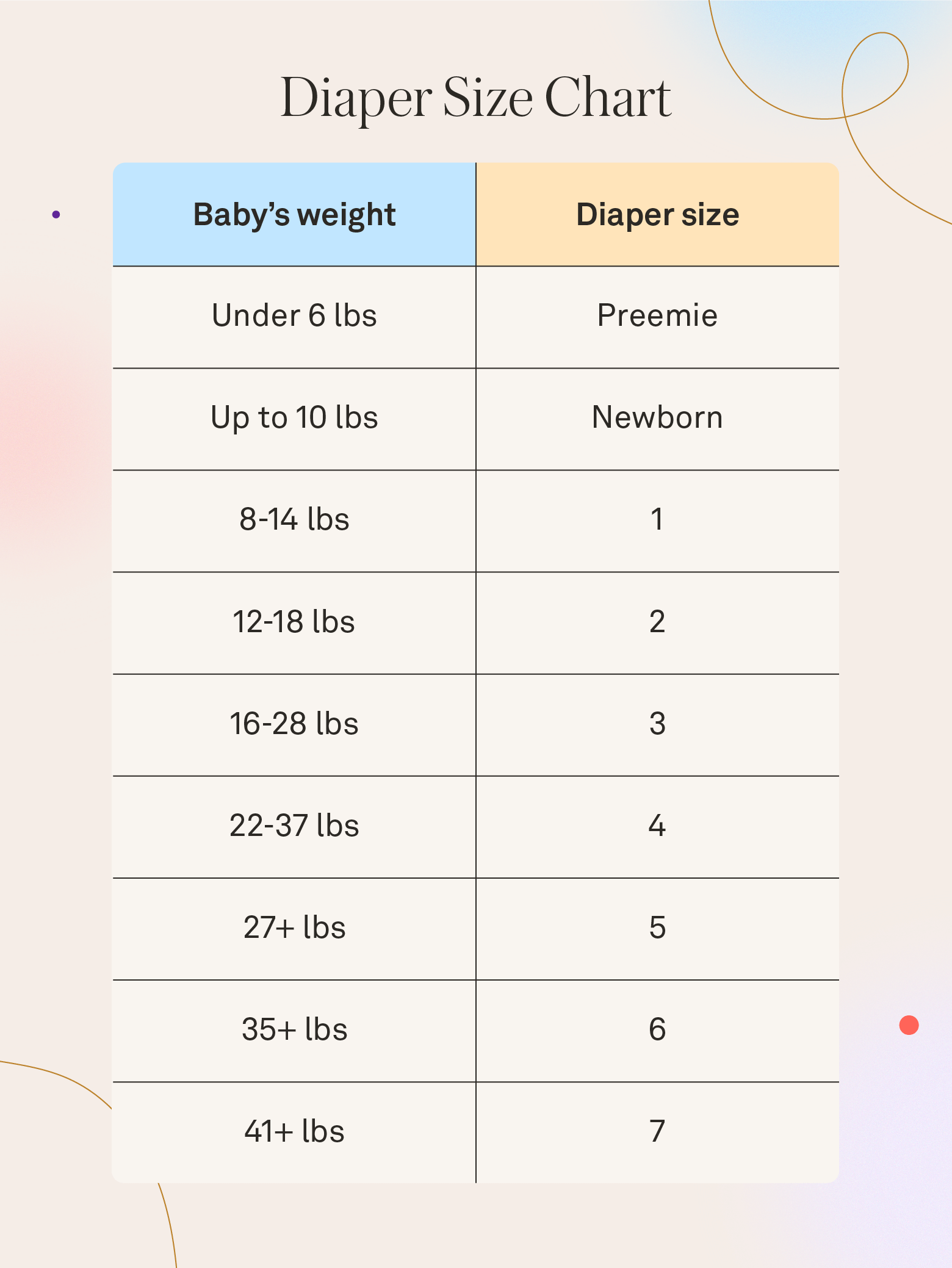
Diaper sizing plays a vital role in keeping your little one comfortable and leak-free. Diapers come in various sizes, usually indicated by weight ranges, to cater to your baby’s growing needs.
Understanding diaper size charts
Figuring out how to read diaper size charts is essential for expectant parents to choose the right fit for their baby. The weight ranges for each specific diaper size are typically indicated on the packaging itself or on the brand’s website. You should refer to the diaper size chart regularly, as babies grow quickly during their first year.
Choosing the right fit for your baby
The right diaper fit helps prevent leaks and ensure maximum absorbency. A snug, but not too tight, fit around the waist and thighs will keep your little one happy and comfortable throughout the day. Consider your baby’s individual needs, such as their activity level and body shape, to find the most suitable fit.
How to know when to change a diaper size
Look for signs that it might be time to move up to the next size, such as frequent leaks, red marks on the skin, or difficulty fastening the diaper. If your baby’s current diapers no longer provide a snug fit around the waist and thighs, they likely need a larger size.
Remember that as your baby grows, their diapering needs will change, so continuously checking the brand’s diaper size chart can help you stay on track. By choosing the right diaper size, you can ensure your baby stays happy and dry, making diaper changes a breeze for both of you.
Let the Diaper Stockpiling Begin
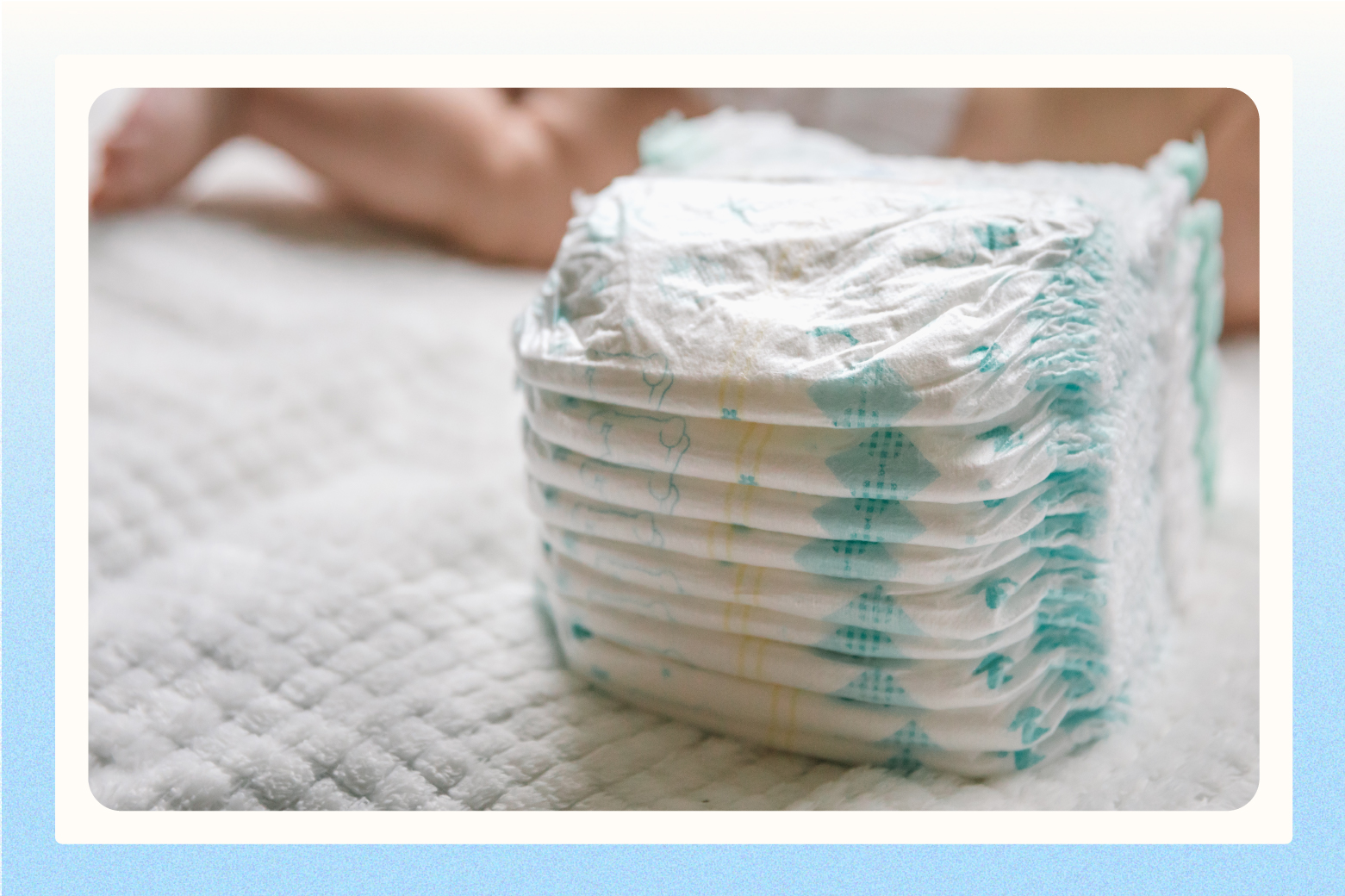
Now that you have a better grasp on the number of diapers you’ll need for your new little one, it’s time to make a plan for stockpiling the necessary amount. Try these five tips to get started:
- Start early: Begin stockpiling diapers well before your baby arrives to spread out the cost and have a good supply on hand when needed.
- Watch for sales: Look for deals and discounts on diapers at various stores and online retailers. Buying in bulk during sales can save you money in the long run.
- Register for diapers: Include a variety of diaper sizes and brands on your baby registry checklist so friends and family can contribute to the stockpile with gifts of diapers at your baby shower.
- Consider different sizes: Remember that babies grow quickly, so stock up on various diaper sizes, especially newborn and size 1, to be prepared for their changing needs.
- Store diapers properly: Keep diapers in a cool, dry place away from direct sunlight and extreme temperatures to maintain their quality over time.
Having the right number of diapers on hand — both at home and in your diaper bag — prevents last-minute rushes to the store and will help maintain your baby’s comfort and hygiene. Armed with these tips for planning ahead for your baby’s diaper needs, expectant parents can confidently welcome their new addition, knowing they are well-equipped to handle their diapering needs with ease and care.
Frequently Asked Questions
How many cloth diapers do babies need?
The number of cloth diapers babies need can vary based on several factors, including their age, how frequently they need changing, and how often parents plan to do laundry. Typically, babies 0-3 months need 12-18 cloth diapers a day, babies 3-6 months need 10-14, and babies over 6 months old need 8-12. To ensure a steady supply of cloth diapers, keep at least 24-36 diapers in rotation.
How do diapers impact the environment?
Disposable diapers can have a significant impact on the environment by contributing to landfill waste, taking hundreds of years to decompose. The production of disposable diapers requires large amounts of water, energy, and raw materials, further impacting the environment. Cloth diapers can be a more sustainable option in the long run when used and cared for properly.
Are disposable diapers recyclable?
Most disposable diapers are not recyclable in the traditional sense. Most disposable diapers are made with a combination of plastic and polymer materials, making them difficult to recycle through conventional recycling facilities. Urine and feces in used diapers also pose sanitation challenges for recycling centers. However, some diaper brands are working on developing more eco-friendly options, such as compostable or biodegradable disposable diapers.
What’s the best way to dispose of diapers?
The simple answer is that it depends on the type of diapers you are using. For disposable diapers, place them in a sealed trash bag before disposing of them in the regular trash bin to contain any odors and prevent contamination. For cloth diapers, remove solid waste before washing and then launder along with other baby clothing. Some parents also use diaper pails or wet bags to store soiled cloth diapers until laundry day.
The post How Many Newborn Diapers Do I Need? A Guide for Parents appeared first on Baby & Parenting Blog - Joy.
]]>